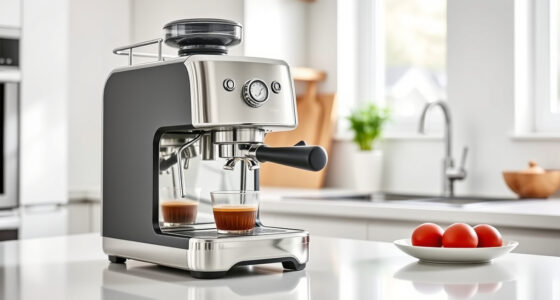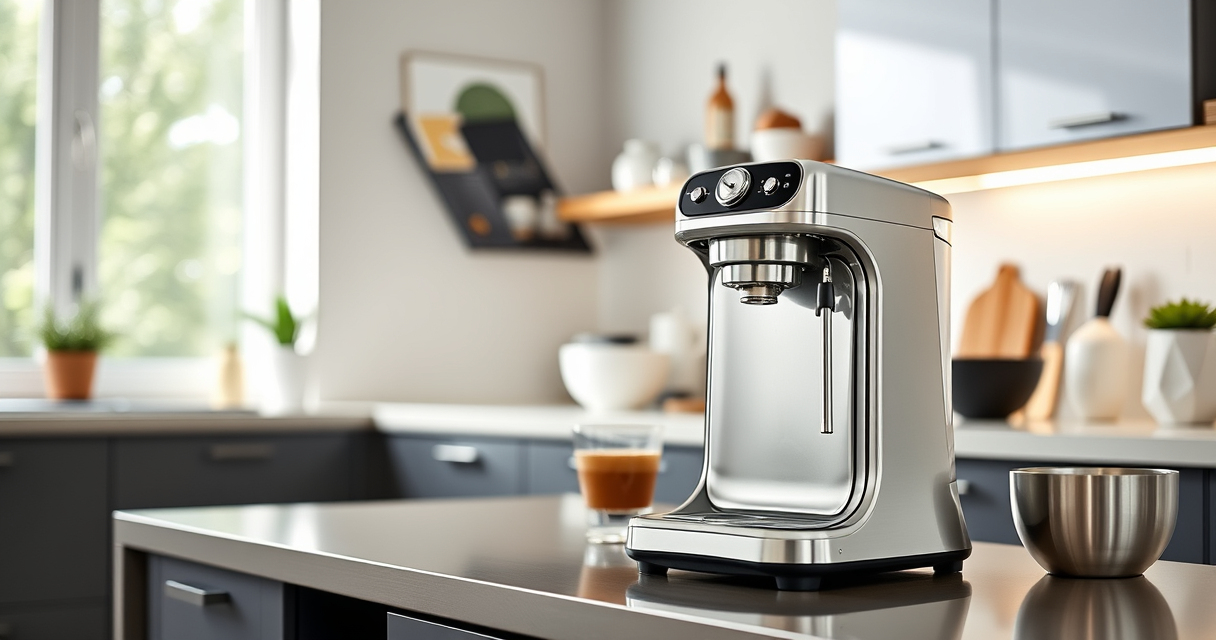

If your De’Longhi espresso machine is leaking water unexpectedly, it can disrupt your coffee routine and cause potential damage. Water leaks often stem from common issues that are manageable with some basic troubleshooting. Understanding the causes and knowing how to fix them can save you time and money while keeping your machine in top shape.

Get kitchen gear delivered free with Prime
- Fast, free delivery on millions of items
- Prime Video, Amazon Music and more included
- Member-only deals all year
In this guide, we’ll walk you through practical, safe steps to identify the source of the leak and apply effective solutions. Whether it’s a worn-out part, a clogged filter, or mineral buildup, you’ll learn how to restore your espresso machine’s performance efficiently.
Key Takeaways
| Identify the leak source | Understanding where the water is leaking from helps target the fix. |
| Check for clogs or blockages | Blocked filters or nozzles can cause water to leak or overflow. |
| Inspect seals and gaskets | Worn or damaged seals are common culprits for leaks. |
| Regular descaling prevents leaks | Mineral buildup can cause internal leaks over time. |
| Use recommended replacements | Proper filters and parts ensure optimal performance and longevity. |
Step 1: Turn Off and Unplug Your Machine
Before inspecting or attempting any repairs, always turn off your De’Longhi espresso machine and unplug it from the power source. This ensures safety and prevents accidental injury or further damage during troubleshooting. Allow the machine to cool down if it has been in use, especially around the steam or hot water components.
Step 2: Locate the Leak Source
- Check the area around the water tank for visible leaks or drips. Remove the water tank carefully and inspect the connection point and the tank itself for cracks or damage.
- Examine the brew head and the area around the drip tray for pooling water or signs of continuous leakage.
- Inspect the internal components, such as the valves and hoses, if accessible, for cracks, loose fittings, or blockages.
- Note the pattern of leaking—whether it occurs during brewing, steaming, or when the machine is idle—to help pinpoint the root cause.
Step 3: Check and Replace Worn Seals or Gaskets
Many leaks originate from damaged or worn seals and gaskets. Carefully inspect these components, especially around the brew group, water tank, and steam wand. If any seals are cracked, hardened, or missing, they should be replaced.
Use genuine replacement parts, such as the De’Longhi water filter or gaskets, to ensure a proper fit and reliable performance.
Step 4: Clear Blockages and Descale if Necessary
- Inspect the water intake and brew nozzles for clogs. Use a soft brush or pin to clear any debris or mineral deposits.
- Perform a descaling process using a suitable descaler, such as the De’Longhi EcoDecalk, to remove mineral buildup that could cause internal leaks or pressure issues.
- Follow the manufacturer’s instructions for descaling, typically involving running a mixture through the machine and rinsing thoroughly afterward.
Step 5: Reassemble and Test Your Machine
After replacing worn parts and cleaning, carefully reassemble your espresso machine. Fill the water tank, ensuring it is seated correctly, and plug the machine back in.
Run a test brew or steam cycle without coffee to verify if the leak persists. Observe for any signs of leakage and listen for abnormal sounds to confirm the issue is resolved.
Tips and Warnings for Safe Troubleshooting
- Always unplug the machine before beginning maintenance or repairs.
- Use only genuine replacement parts recommended by De’Longhi.
- Handle internal components gently to avoid damage.
- If unsure about internal repairs, consult a professional technician.
- Regularly descale your machine to prevent mineral buildup, which can cause leaks over time.
The Products in This Guide
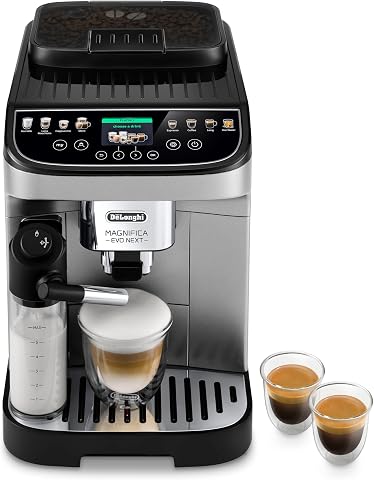
De’Longhi Magnifica Evo Next Fully Automatic Espresso Ma
- ✔ Power: 1450W
- ✔ Voltage: 120V
- ✔ Warranty: 1 Year

De’Longhi Replacement Water Filter
- ✔ Length: Approx. 4 inches
- ✔ Weight: 8 ounces
- ✔ Replacements: Every 2 months
De’Longhi Magnifica Evo Next Fully Automatic Espresso Ma
The De’Longhi Magnifica Evo Next Fully Automatic Espresso Machine combines advanced features with user-friendly operation. While leaks can occur, most are easily fixed with basic troubleshooting. Regular maintenance and using quality filters greatly extend its lifespan.
Pros:
- Automatic cleaning functions
- Built-in grinder with multiple settings
- Versatile drink options
- Efficient milk frothing system
Cons:
- Can develop leaks if not maintained
- Requires regular descaling
- Complex internal parts may need professional repair
Best for: Home baristas seeking a fully automatic experience with quality coffee
Not ideal for: Users uncomfortable with internal maintenance or repairs
Bottom line: Regular maintenance and proper handling keep your De’Longhi Magnifica Evo functioning flawlessly.
De’Longhi Replacement Water Filter
Using a high-quality water filter like the De’Longhi Replacement Water Filter helps prevent mineral buildup and leaks, ensuring your machine runs smoothly and your coffee tastes better. Easy to install and replace, it’s a simple upgrade for long-term performance.
Pros:
- Improves water quality
- Prevents lime scale buildup
- Easy to install
- Enhances machine efficiency
Cons:
- Requires regular replacement
- Only compatible with select models
- Additional cost over time
Best for: Maintaining water quality and preventing internal leaks
Not ideal for: For machines incompatible with this filter or for users seeking a temporary fix
Bottom line: A simple, effective way to extend your machine’s lifespan and improve coffee taste.
Frequently Asked Questions
Why is my De’Longhi espresso machine leaking water?
Leaks can be caused by worn seals, blockages, mineral buildup, or cracks in the water tank or internal components. Troubleshooting involves inspecting these parts and performing maintenance or replacements as needed.
How often should I descale my De’Longhi espresso machine?
It is recommended to descale your machine every 2-3 months, especially if you use hard water. Regular descaling prevents mineral buildup that can cause leaks and performance issues.
Can I fix internal leaks myself?
Yes, if you are comfortable with basic repairs, you can replace seals, clean filters, and descale the machine. For internal components or complex issues, consulting a professional technician is advisable.
What replacement parts are recommended for leaks?
Gaskets and seals around the brew head and water tank are common leak sources. Using genuine parts like De’Longhi’s official replacements ensures proper fit and function.
Is using a water filter helpful for preventing leaks?
Absolutely. A water filter such as the De’Longhi Replacement Water Filter reduces mineral deposits and lime scale, which are common causes of internal leaks and damage.
Keep Your Espresso Flowing Smoothly
Water leaks in your De’Longhi espresso machine can be frustrating, but with careful inspection and routine maintenance, most issues are easily resolved. Regular descaling, using quality filters, and replacing worn seals prolong your machine’s life and ensure your coffee tastes perfect every time. Don’t hesitate to seek professional help for complex repairs—your daily brew depends on it.
Affiliate disclosure: As an Amazon Associate we earn from qualifying purchases. Prices and availability are accurate as of the time of publishing.
Columbus Day / Indigenous Peoples' Day Picks
long weekend sales
As an affiliate, we earn on qualifying purchases.