
TL;DR
Pane guttiau, a traditional Sardinian flatbread, is experiencing a resurgence in popularity. Experts highlight its cultural importance and simple yet distinctive preparation. The development signals growing interest in regional Italian foods.
Pane guttiau, a traditional Sardinian flatbread characterized by its crispy texture and topping of olive oil and salt, is experiencing a resurgence in popularity. This development is notable as it highlights growing interest in regional Italian foods and cultural heritage. Experts say the bread’s simple yet distinctive preparation embodies Sardinia’s culinary traditions and is now gaining recognition beyond local communities.
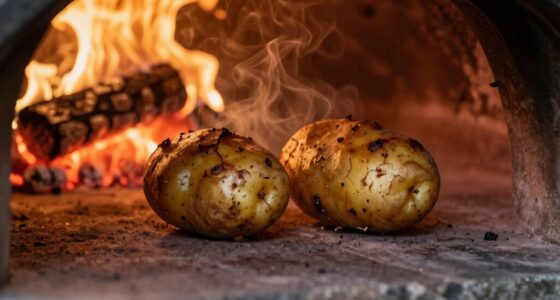
Originally prepared as a rustic snack or accompaniment, pane guttiau is made from simple ingredients: bread, olive oil, and salt. It is traditionally baked in wood-fired ovens, resulting in a crisp, golden crust. Recently, media outlets and food festivals have spotlighted the bread, leading to increased demand among chefs, food tourists, and cultural organizations. According to Sardinian culinary historian Marco Serra, “Pane guttiau is more than just bread; it’s a symbol of Sardinian identity and craftsmanship.” The bread’s popularity is also driven by the broader movement to preserve regional food traditions amid globalization and mass production.
Local bakers confirm that they have seen a rise in orders, especially during festivals and food events focused on Sardinian culture. Some chefs are experimenting with modern presentations, but many emphasize maintaining traditional methods. The bread is often served as an appetizer, paired with local cheeses or cured meats, and has become a staple in Sardinian restaurants seeking authentic regional flavors.
Cultural and Culinary Revival of Sardinian Traditions
The renewed interest in pane guttiau underscores a broader movement to preserve and celebrate regional Italian cuisines. As global food trends often favor exotic or international dishes, the resurgence of this simple, centuries-old bread highlights the importance of local culinary heritage. It also offers economic opportunities for Sardinian bakers and artisans, supporting local economies and cultural tourism. Food scholars note that such traditions serve as tangible links to regional history and identity, making their preservation vital in a rapidly changing world.
As an affiliate, we earn on qualifying purchases.
Historical Roots and Modern Revival of Pane Guttiau
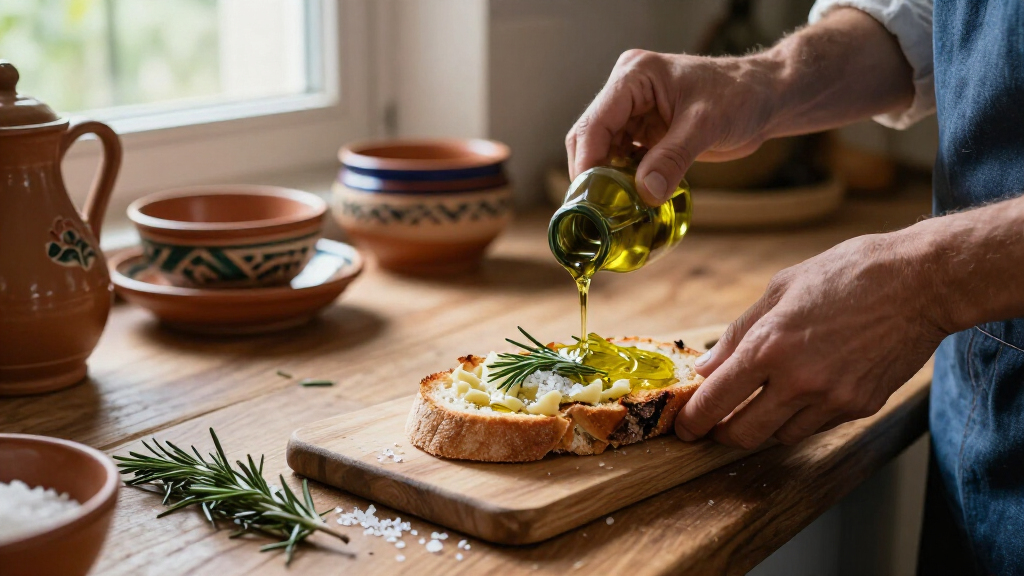
Pane guttiau has been a staple in Sardinian households for generations, traditionally prepared by farmers and shepherds. Its origins trace back to rural communities where ingredients were limited, and simplicity was key. Historically, the bread was baked in communal ovens, and olive oil was a prized commodity. Over time, the preparation evolved into a distinctive culinary practice, with the bread toasted and topped with generous drizzles of local olive oil and a pinch of salt. In recent years, cultural organizations and food festivals across Sardinia have promoted the bread as part of efforts to preserve regional identity. The recent media coverage and increased tourism have further amplified its profile, turning it into a symbol of Sardinian culinary heritage.
“We’ve seen more visitors asking for traditional pane guttiau, especially during festivals. It’s wonderful to see our heritage appreciated.”
— Local baker Maria Luisa
olive oil for baking and drizzling
As an affiliate, we earn on qualifying purchases.
As an affiliate, we earn on qualifying purchases.
Unclear Extent of National and International Recognition
While media coverage and local interest are increasing, it is not yet clear how widely pane guttiau will be adopted outside Sardinia or whether it will be officially recognized as part of Italy’s national cultural heritage. Experts say that although regional pride is growing, broader recognition may depend on official endorsements or inclusion in culinary lists. The impact of tourism and international food markets on its popularity remains to be seen, and some regional purists worry about commercialization diluting tradition.
sea salt for cooking and finishing
As an affiliate, we earn on qualifying purchases.
As an affiliate, we earn on qualifying purchases.
Future Promotion and Preservation Efforts for Pane Guttiau
Local organizations plan to continue promoting pane guttiau through festivals, culinary tours, and cultural initiatives. There is also interest in documenting traditional recipes and techniques to ensure their preservation. Discussions are underway about including the bread in Italy’s official list of traditional regional foods, which could boost its recognition nationally and internationally. Additionally, chefs and food writers are exploring innovative ways to incorporate pane guttiau into contemporary cuisine without compromising its authenticity.
traditional Italian flatbread baking kit
As an affiliate, we earn on qualifying purchases.
As an affiliate, we earn on qualifying purchases.
Key Questions
What ingredients are used to make pane guttiau?
The traditional ingredients are simple: bread, local olive oil, and salt.
How is pane guttiau traditionally prepared?
The bread is baked in wood-fired ovens, then toasted and topped with olive oil and salt, often served as an appetizer or accompaniment.
Why is pane guttiau considered culturally significant?
It embodies Sardinian culinary traditions and regional identity, representing centuries of rural life and craftsmanship.
Is pane guttiau becoming popular outside Sardinia?
Interest is increasing locally and at food festivals, but broader recognition outside Sardinia is still developing.
Are there efforts to protect or promote pane guttiau?
Yes, local cultural organizations and chefs are actively promoting the bread through festivals, documentation, and potential inclusion in official lists of traditional foods.
Source: rss