
TL;DR

Get kitchen gear delivered free — and shop member deals
- Fast, free delivery on millions of items
- Access to Prime Big Deal Days deals on October 6–7
- Prime Video, Amazon Music and more included
Search interest in cleaning and storing clams is rising, driven by home cooks seeking safe seafood preparation. Experts confirm specific methods to purge sand and store clams effectively, though some details remain under discussion.
Search interest in how to clean and store clams has surged in recent weeks, reflecting a rising trend among home cooks and seafood enthusiasts. Experts confirm that proper purging of sand and correct storage are essential for safe, high-quality consumption, though some details about optimal techniques are still under discussion.
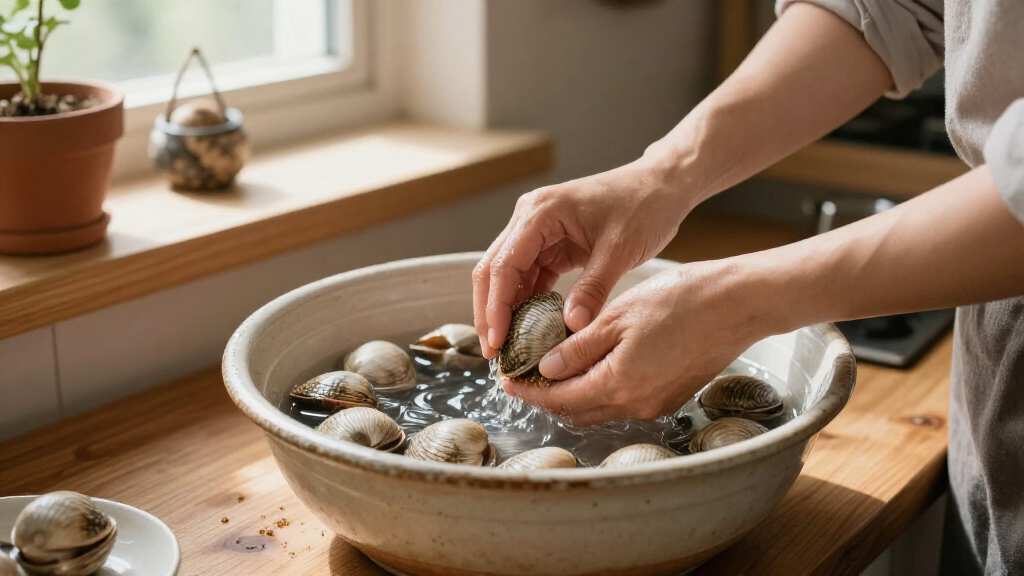
Cleaning clams involves a process called purging sand, which typically requires soaking the shellfish in salted water or fresh water for several hours, sometimes with added cornmeal or flour to help loosen sand. According to seafood safety guidelines, this step is crucial to remove grit before cooking. After purging, clams should be rinsed thoroughly under cold running water to eliminate residual sand and debris. Storage recommendations include keeping clams in a breathable container, such as a mesh bag or covered bowl, in the refrigerator at temperatures below 40°F, and consuming them within 24 to 48 hours for freshness.
Sources indicate that soaking clams in saltwater mimics their natural environment, encouraging them to expel sand. Some culinary experts advise changing the water multiple times during the soaking period, which can last from 20 minutes to several hours, depending on the size and type of clam. Once cleaned, clams should be kept moist but not submerged in fresh water, as this can kill them. Proper storage is vital to prevent spoilage and ensure safety, especially since improperly stored shellfish can harbor harmful bacteria.
Why Proper Cleaning and Storage Matters
Correctly cleaning and storing clams is essential for food safety and ensuring a high-quality dining experience. Sand in clams can cause unpleasant textures and interfere with the flavor, while improper storage increases the risk of bacterial growth and foodborne illness. As interest in home seafood preparation grows, understanding these confirmed methods helps consumers avoid health hazards and enjoy fresh, safe shellfish.
As an affiliate, we earn on qualifying purchases.
Growing Interest in Home Seafood Preparation
Recent data shows a spike in online searches related to cleaning and storing clams, likely driven by increased home cooking and interest in seafood dishes. While traditional methods have been passed down through culinary communities, recent trends suggest more people are seeking verified, safe techniques for handling shellfish at home. Industry guidelines emphasize the importance of proper purging and storage, but some details about the optimal soaking duration or storage containers remain debated among experts.
As an affiliate, we earn on qualifying purchases.
Unconfirmed Details About Optimal Soaking Duration
While the general process of purging clams is confirmed, the ideal soaking time and specific conditions (such as water salinity and temperature) are still debated among experts. Some recommend soaking for 20 minutes, others suggest several hours, but there is no universal consensus. Additionally, the effectiveness of adding cornmeal or flour to aid in sand removal lacks definitive scientific backing, and further research is needed to establish best practices.
As an affiliate, we earn on qualifying purchases.
Next Steps for Home Cooks and Industry Standards
As interest continues to grow, more detailed guidelines and standardized procedures are likely to emerge from food safety authorities and culinary organizations. Future developments may include clearer recommendations on soaking times, storage conditions, and handling techniques. Meanwhile, consumers are advised to follow existing verified methods and stay informed about updates from trusted sources.
As an affiliate, we earn on qualifying purchases.
Key Questions
How long should I soak clams to purge sand?
Experts recommend soaking clams in salted water for at least 20 minutes to several hours, depending on the size and type of clam. Changing the water frequently during soaking enhances sand removal.
Can I store cleaned clams in fresh water?
No, storing clams in fresh water can kill them and increase spoilage risk. Instead, keep them in a breathable container in the refrigerator, moist but not submerged.
Is adding cornmeal necessary for cleaning clams?
Adding cornmeal or flour is a traditional technique believed to help loosen sand, but scientific evidence supporting its effectiveness is limited. The main method remains soaking in salted water.
How soon should I consume cleaned clams?
For best quality and safety, consume cleaned clams within 24 to 48 hours of purchase or cleaning, and keep them refrigerated at temperatures below 40°F.
Are there any safety risks if I don’t properly clean clams?
Yes, improperly cleaned or stored clams can harbor harmful bacteria or parasites, increasing the risk of foodborne illness. Proper cleaning and refrigeration are essential for safe consumption.
Source: rss
Fall Picks
fall essentials
As an affiliate, we earn on qualifying purchases.




![Dove Mangiare A Milano: Le Nuove Aperture [In Aggiornamento]](https://backyardoven.com/wp-content/uploads/2026/09/dove-mangiare-a-milano-le-nuove-aperture-in-aggiornamento-featured-260x140.jpg)