TL;DR

Get kitchen gear delivered free with Prime
- Fast, free delivery on millions of items
- Prime Video, Amazon Music and more included
- Member-only deals all year
Livingetc reports that shell motifs are appearing in tableware and hosting accessories from brands including Westwing, L’Objet and Tavares 1922. The designs recast shells in polished metals, porcelain and glass, moving the motif away from a strictly beach-house look; the report does not establish sales figures or measure the trend’s reach.
Shell-inspired tableware is appearing in recent collections from brands including Westwing, L’Objet and Tavares 1922, according to a Livingetc report on dining and home design. The pieces use materials such as stainless steel, porcelain, silver and glass to give the familiar coastal motif a more polished, sculptural look—an approach that could appeal to hosts seeking decorative tableware beyond conventional beach-house styling.
Livingetc points to two high-profile collaborations as evidence of the motif’s current visibility: Victoria Beckham’s collaboration with Westwing includes a stainless-steel shell-shaped butter dish, while jewelry designer Jessica McCormack worked with L’Objet on a collection that includes a bisque porcelain shell bowl with a hand-painted 24-karat gold interior. The report describes both as examples of shell forms being treated as refined dining objects rather than casual seaside decoration.
Other examples span serving pieces, table accessories and glassware. Tavares 1922 uses shells with metal accents in salt-and-pepper cellars and an ice-cream cup, while Hide and Stone incorporates natural shells into stemware. The report also highlights sterling-silver shakers by Jarosinski & Vaugoin, golden shell place holders by Joanna Buchanan, and embroidered conch napkins from Graham & Green. These are products cited by the publication, not evidence of broad consumer sales or adoption.
Livingetc attributes part of the interest to the shells’ natural variation and texture, and to designs that combine organic forms with more formal materials. Melissa Borovali, founder of Hide and Stone, told the publication that designers are reinterpreting shells through a modern lens and linked the interest to a wider shift toward natural materials. The source presents this as her explanation of the trend, not as a measured market finding.
How Shells Are Changing Table Settings
The shift matters to readers because it shows how a recognizable natural motif can move between categories and styles. A shell may read as a souvenir or beach-house accent when used alone, but polished metal, gilding and fine porcelain can make the same shape feel suited to a formal dining room. The examples also put the motif on practical objects—such as butter dishes, salt cellars and dessert cups—rather than limiting it to wall art or seasonal accessories.
For shoppers and hosts, the range offers different ways to adopt the look, from a small embroidered napkin or place holder to a more expensive serving piece. Livingetc describes some items as heirloom-style or high-end, but provides no prices, sales data or consumer research. The report therefore supports a conclusion about design visibility and product variety, not proof that shell tableware is a major commercial movement or that every tastemaker is buying it.
Products Worth Considering

Instant Pot Vortex Plus Mini 4-Quart 6-in-1 Air Fryer, Stainless Steel

Breville Bambino Espresso Machine, Brushed Stainless Steel (BES450BSS)
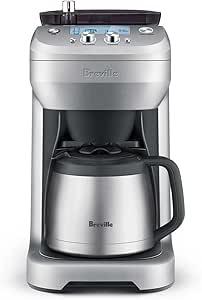
Breville Grind Control BDC650BSS Thermal Carafe Coffee Maker – Brushed Stainless Steel
As an affiliate, we earn on qualifying purchases.
From Coastal Motif to Fine Materials
Shells have long been associated with seaside interiors and coastal decoration. The Livingetc report’s central point is that recent designers are retaining the recognizable shell shape while changing its finish and setting. Some pieces use actual shells, while others translate shell forms into manufactured materials such as stainless steel, silver and bisque porcelain.
The report also places the trend alongside interest in tactile surfaces and natural forms. Borovali said shells offer texture and variation, and argued that they can be durable enough to be shaped into lasting design objects. Those are the designer’s views, rather than independently verified claims about durability or sustainability across the products discussed. The examples establish that several brands have released shell-inspired pieces; they do not show when the motif first returned or how it compares with earlier waves of coastal design.
“Shells are having a resurgence because designers are reimagining them through a modern lens, coinciding with a broader global shift toward sustainability that is drawing people back to natural materials.”
— Melissa Borovali, founder of Hide and Stone, speaking to Livingetc
How Broad Is the Shell Trend?
The source does not quantify how many brands or consumers are adopting shell tableware, provide sales figures, or identify a survey establishing its popularity. Its evidence consists of selected products and collaborations featured by Livingetc. It is also unclear whether the motif’s visibility will continue beyond this year or remain concentrated in luxury and design-led collections.
The sustainability framing is also not established for every item. Borovali associates renewed interest in shells with a broader turn toward natural materials, but the report does not give sourcing details or environmental assessments for the products it names. Nor does it specify whether each piece uses a natural shell, a shell-derived material or a manufactured interpretation.
What to Watch in New Collections
The next useful indication will be whether more homeware brands introduce shell forms across tableware and hosting accessories, and whether the designs appear at a wider range of prices. Readers can also look for product details that clarify materials, shell sourcing, care requirements and intended use. Until sales figures or broader market research are available, the trend is best understood as a design development documented through a group of recent collections, rather than a quantified shift in consumer behavior.
Key Questions
What is the reported development?
Livingetc reports that shell-inspired tableware is appearing in recent collections from several home and design brands, including Westwing, L’Objet and Tavares 1922.
How are these designs different from beach-themed decor?
The examples pair shell shapes with finishes and materials such as polished metal, gold detailing, porcelain and silver, giving them a more formal tableware look than a typical casual coastal accent.
Which products does the report mention?
Examples include a Westwing stainless-steel butter dish, an L’Objet porcelain bowl, Tavares 1922 serving pieces, Hide and Stone stemware, and shell-themed napkins and place holders.
Does the report prove that shell tableware is a widespread trend?
No. It documents selected collections and products but gives no sales data, consumer survey or market-wide measure of the trend’s reach.
Are the products made from natural shells?
Not all necessarily are. The report describes both designs incorporating natural shells and shell forms rendered in materials such as metal and porcelain; it does not provide sourcing details for every item.
Source: livingetc.com