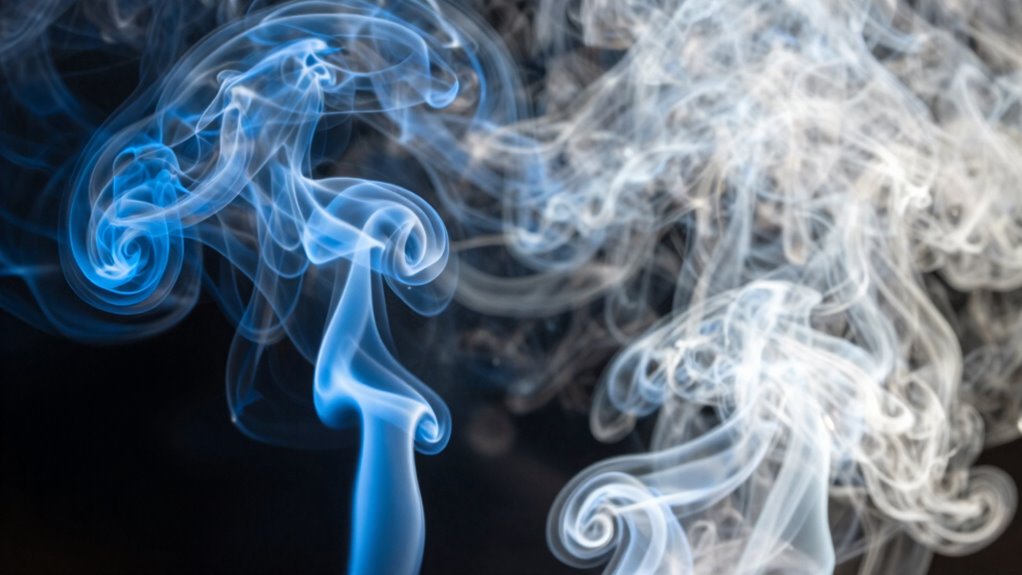

Blue smoke from your exhaust means oil is burning inside your engine, often due to worn piston rings or seals, which can lead to increased oil consumption and damage if ignored. White smoke, on the other hand, signals coolant or water vapor is being expelled, usually caused by a blown head gasket or cracked engine block. Recognizing these signs helps you identify potential problems early. Stick around to learn how addressing these issues can save you costly repairs.

Get kitchen gear delivered free — and shop member deals
- Fast, free delivery on millions of items
- Access to Prime Big Deal Days deals on October 6–7
- Prime Video, Amazon Music and more included
Key Takeaways
- Blue smoke indicates oil burning inside the engine, caused by worn piston rings or seals.
- White smoke signals coolant or water vapor entering the combustion chamber, often from a blown head gasket.
- Blue smoke results in increased oil consumption and engine fouling, while white smoke may cause engine overheating.
- White smoke typically disappears after engine warms up, whereas blue smoke persists during operation.
- Diagnosing smoke color helps determine whether the issue involves oil leaks or coolant system failure.
Have you ever wondered what different colors of smoke from your vehicle indicate? When you see smoke billowing from your exhaust, it’s a sign that something might be wrong inside your engine. The most common colors you’ll notice are blue and white, each pointing to different issues. Understanding what these colors mean can help you diagnose the problem early, saving you money and preventing further damage.
Blue smoke typically indicates oil leakage. When your engine burns oil, it often produces a bluish tint in the exhaust fumes. This happens because oil seeps into the combustion chamber, where it burns along with the fuel. If you notice blue smoke, it’s a sign that your piston rings, valve seals, or turbocharger seals might be worn out or damaged. As a result, oil leaks into areas it shouldn’t, leading to increased oil consumption and potential engine damage if left unchecked. The smoke isn’t just an aesthetic issue; it’s an alert that your engine’s lubrication system isn’t functioning properly. Addressing oil leaks early can prevent more severe problems like fouled spark plugs or damaged catalytic converters. Recognizing engine issues early can help prevent costly repairs down the line. Additionally, understanding the significance of smoke color can guide you in taking appropriate maintenance steps, especially since natural pool features can influence ventilation and airflow around your vehicle, potentially affecting emissions. Proper preventive maintenance and regular engine checks are essential in maintaining engine health. Being aware of oil consumption patterns can also help you catch problems before they escalate.
As an affiliate, we earn on qualifying purchases.
Frequently Asked Questions
Can Blue or White Smoke Indicate Engine Overheating?
Yes, blue or white smoke can indicate engine overheating. Blue smoke often signals burning engine oil, which may be caused by overheating or worn piston rings. White smoke usually suggests coolant leaking into the combustion chamber, often a sign of engine overheating or a blown head gasket. Check your exhaust fumes for these colors, and inspect your engine oil and coolant levels to prevent further damage.
How Long Does Blue Smoke Typically Last During Engine Startup?
Blue smoke during engine startup usually lasts just a few seconds to a minute. It happens because engine oil burns off in the combustion chamber, resulting in blue exhaust emissions. If the blue smoke persists longer, it may indicate worn piston rings or valve seals, causing continuous oil burning. So, keep an eye on how long the smoke lasts and consider a mechanic check-up if it lingers.
Is White Smoke Always a Sign of Coolant Leak?
Think of white smoke as a ghostly whisper from your exhaust—it’s not always a coolant leak, but often signals oil combustion or moisture vapor. While white smoke commonly indicates coolant burning, it can also result from other issues like condensation or engine problems. Keep an eye on exhaust emissions; persistent white smoke suggests something needs attention, but it’s not always a sign of a leak—sometimes, it’s just a transient phase.
Can Smoke Color Affect Engine Performance?
Yes, smoke color can affect engine performance. Blue smoke indicates oil combustion, which can lead to increased engine wear and reduced efficiency. White smoke, often from coolant leaks, can cause overheating and damage if untreated. Both types of exhaust emissions signal underlying issues that can hinder engine performance. Addressing these problems promptly helps maintain ideal engine function and prevents costly repairs down the line.
What Preventive Maintenance Reduces Blue or White Smoke?
You can prevent blue or white smoke by catching issues early! Regularly change your oil to avoid contamination that causes blue smoke, and inspect valve seals closely—ignoring them can lead to white smoke and serious engine trouble. Keep up with scheduled maintenance, check for leaks, and make sure your engine’s components are sealed tight. This proactive approach drastically reduces smoke and keeps your engine running smoothly, mile after mile.
As an affiliate, we earn on qualifying purchases.
Conclusion
Understanding the difference between blue and white smoke can save you from costly engine repairs. Did you know that blue smoke indicates oil burning, which can lead to engine damage if unchecked? White smoke, often a sign of coolant leaks, can cause severe engine overheating. Regularly checking your vehicle’s smoke signals isn’t just about maintenance—it’s about preventing expensive repairs. Stay vigilant, and you’ll keep your engine running smoothly for miles to come.
As an affiliate, we earn on qualifying purchases.
piston ring and seal replacement parts
As an affiliate, we earn on qualifying purchases.
As an affiliate, we earn on qualifying purchases.
Fall Picks
fall essentials
As an affiliate, we earn on qualifying purchases.