
To keep wind from wrecking your flame control, you should create natural or portable windbreaks using rocks, trees, or barriers nearby. Position your fire away from prevailing winds and use equipment with adjustable vents to regulate airflow. Select steadier-burning fuels like thicker logs, and monitor wind patterns continuously. Remember to keep fire extinguishing tools nearby and never leave your fire unattended. For more tips on maintaining flame stability in windy weather, keep exploring these strategies.
Key Takeaways
- Create windbreaks using natural barriers or portable shields to block gusts around the fire area.
- Position fires away from prevailing winds and open spaces to reduce wind impact.
- Use thicker, steadier fuels and equipment with adjustable vents for better flame control.
- Monitor wind conditions continuously and adjust fire setup accordingly.
- Keep fire extinguishing tools nearby and never leave the fire unattended in windy weather.
When you’re trying to control a flame outdoors, wind can quickly turn a steady fire into a frustrating challenge. It’s essential to understand that wind isn’t just a minor inconvenience—it can cause safety hazards, waste fuel, and ruin your cooking or heating plans. To keep wind from wrecking your flame control, you need to take proactive steps that focus on safety precautions and equipment maintenance.
First, always prioritize safety. Before igniting any fire, check the weather forecast and assess wind conditions. If the wind is strong, consider postponing your activity or choosing a protected location, like a sheltered spot or behind natural barriers such as rocks, trees, or structures. Never ignore the wind’s strength—fighting a fire in high wind increases the risk of uncontrolled spread and accidents. Keep a fire extinguisher, water, or a fire blanket nearby to handle any emergencies quickly. Never leave a fire unattended, especially when wind picks up, because small sparks can turn into larger, uncontrollable blazes rapidly. Being aware of wind direction can also help you position your fire more effectively. Additionally, understanding wind patterns can help you anticipate gusts and adjust your setup accordingly.
Prioritize safety by checking weather, choosing protected spots, and never leaving fires unattended in windy conditions.
Equipment maintenance also plays a vital role in flame control during windy conditions. Regularly inspect your stoves, grills, or fire pits for any damage or loose parts that could create safety issues or reduce efficiency. Ensure that vents, lids, and other components are clean and in good working order. Well-maintained equipment helps you control airflow and flame size more effectively, which is crucial in windy environments. For example, some outdoor stoves come with adjustable vents—use them to regulate airflow and keep the flame steady. If you’re using portable fire pits, check that their screens or covers fit properly to contain sparks and prevent wind from blowing ash or flames out. Additionally, regular equipment maintenance ensures your devices function reliably under challenging conditions. Properly maintained equipment not only improves safety but also enhances overall flame stability in unpredictable weather.
Another tip is to create windbreaks around your fire. Use natural elements like large rocks, thick shrubbery, or portable barriers specifically designed for outdoor fires. These barriers reduce wind velocity and help maintain a stable flame. When setting up your fire, position it in a way that minimizes exposure to prevailing winds. Also, consider using wind-resistant fuels or thicker logs that burn more steadily despite gusts. Ensuring your setup is optimized for wind conditions can significantly improve flame control and safety.
Finally, always follow safety precautions even after setting up your fire. Keep a safe distance, control the size of your flames, and never overload your equipment. Regular equipment maintenance combined with smart setup and safety awareness ensures you can enjoy your outdoor fire activities without wind ruining your control. By paying attention to these details, you’ll keep your flames steady, safe, and manageable, no matter how gusty the day gets.

Skyflame 42" X 18" Rectangular Fire Pit Glass Wind Guard Replacement for Outdoor
ESSENTIAL FOR FIRE PIT ACCESSORIES — 42” x 18” x 7” clear Fire Glass guards unique design. Suitable…
As an affiliate, we earn on qualifying purchases.
As an affiliate, we earn on qualifying purchases.
Frequently Asked Questions
Can Wind Damage My Outdoor Stove or Grill Permanently?
Wind can cause temporary disruptions like gust impact and wind chill, but it typically won’t damage your outdoor stove or grill permanently. Strong gusts might blow out the flame or make cooking tricky, but these effects usually resolve once the wind calms. To safeguard your equipment, consider using wind shields or positioning your grill in a sheltered spot. Regularly inspecting your stove or grill ensures any minor damage is caught early.
What Materials Best Protect Against Wind Interference?
They say, “a shield makes a warrior.” To protect your flame from wind interference, use wind barriers like fire-resistant screens, brick or concrete surrounds, or heavy-duty metal shields. These materials create a barrier that stabilizes the flame, preventing gusts from flickering or blowing it out. By choosing sturdy, wind-resistant materials, you guarantee flame stability and enjoy safe, consistent outdoor cooking regardless of the weather.
How Does Wind Affect Different Types of Flame Control Devices?
Wind patterns directly impact different flame control devices by causing fluctuations in flame stability. For example, adjustable valves may struggle to maintain a steady flame in gusty conditions, while piezo igniters might flicker or fail. Wind can blow out flames or create uneven burning, making precise control difficult. To counteract this, use windshields or shields to protect your device, ensuring consistent flame stability regardless of changing wind patterns.
Are There Specific Weather Conditions to Avoid When Using Flame Control?
You should avoid using flame control devices during strong weather patterns like high winds and rapid wind chill drops. Wind chill can make flames flicker unpredictably, while high winds can extinguish or destabilize your flame entirely. When weather conditions are stormy, very cold, or gusty, it’s best to wait until conditions improve. Protect your flame by choosing sheltered spots and monitoring weather updates to prevent accidents or failures.
Can Wind Speed Measurements Help Prevent Flame Control Issues?
Yes, wind speed measurements can help prevent flame control issues. By monitoring wind speed, you can anticipate when gusts might disrupt your flame, allowing you to take preventive actions. Accurate measurements are essential because they provide reliable data, helping you decide whether conditions are safe or if you should delay or adjust your flame setup. Regularly checking wind speed ensures better control and safer operation in variable weather conditions.
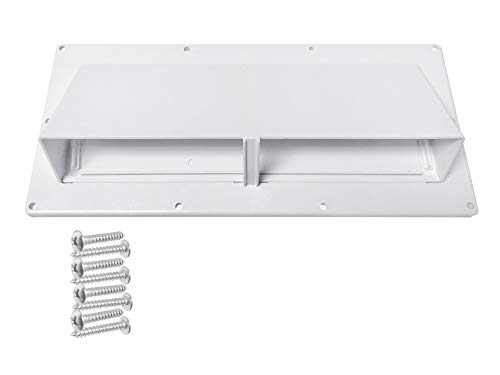
Camp'N RV Exhaust Vent Cover (White) – Perfect RV Stove Vent Cover Replacement for Trailers, Campers, Motorhomes – Easy to Install with Hardware Included
Effortless Installation : Replace your Camper kitchen exhaust fan cover with ease! Our RV stove vent cover is…
As an affiliate, we earn on qualifying purchases.
As an affiliate, we earn on qualifying purchases.
Conclusion
To keep wind from wrecking your flame control, always shield your stove or fire pit with a windbreak or place it in a sheltered spot. Remember, studies show that wind can reduce flame efficiency by up to 50%, wasting fuel and increasing safety risks. By taking simple precautions, you guarantee your flame stays steady and safe, saving you energy and effort. Stay vigilant, protect your flame, and enjoy your outdoor cooking or fire safely.
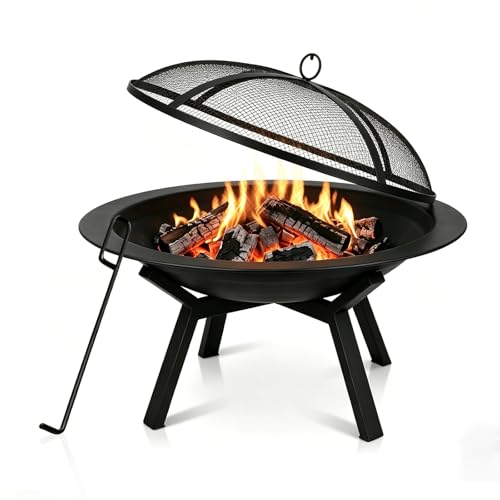
Outdoor Wood Burning Fire Pit, Heavy Duty Round Steel Fire Bowl for Backyard, Patio, Camping, Bonfire, Black Finish, with Mesh Spark Screen and Hook
Heavy Duty & Durable Steel Construction: Engineered with high-grade, fire-resistant steel and a multi-layer rust-inhibiting black finish, this…
As an affiliate, we earn on qualifying purchases.
As an affiliate, we earn on qualifying purchases.
natural windbreak for campfire
As an affiliate, we earn on qualifying purchases.
As an affiliate, we earn on qualifying purchases.