When you’re new to smokers, starting with a simple brisket is your best bet. It’s forgiving and doesn’t require fancy equipment or complex marinades. Focus on basic prep, like trimming excess fat and applying a straightforward rub, then control your smoker’s temperature around 225-250°F. Patience is key, and as you learn to manage the process, you’ll gain confidence. Keep exploring, and you’ll discover even more tips to improve your smoking skills.

Get kitchen gear delivered free with Prime
- Fast, free delivery on millions of items
- Prime Video, Amazon Music and more included
- Member-only deals all year
Key Takeaways
- Start with a simple, forgiving cut like brisket to build basic smoking skills.
- Keep the process straightforward: minimal seasoning, basic prep, and steady temperature control.
- Use a reliable thermometer and maintain smoker temperature around 225-250°F.
- Avoid opening the lid frequently to ensure consistent smoke and heat.
- Rest the meat after smoking to enhance flavor and juiciness, boosting confidence for future projects.
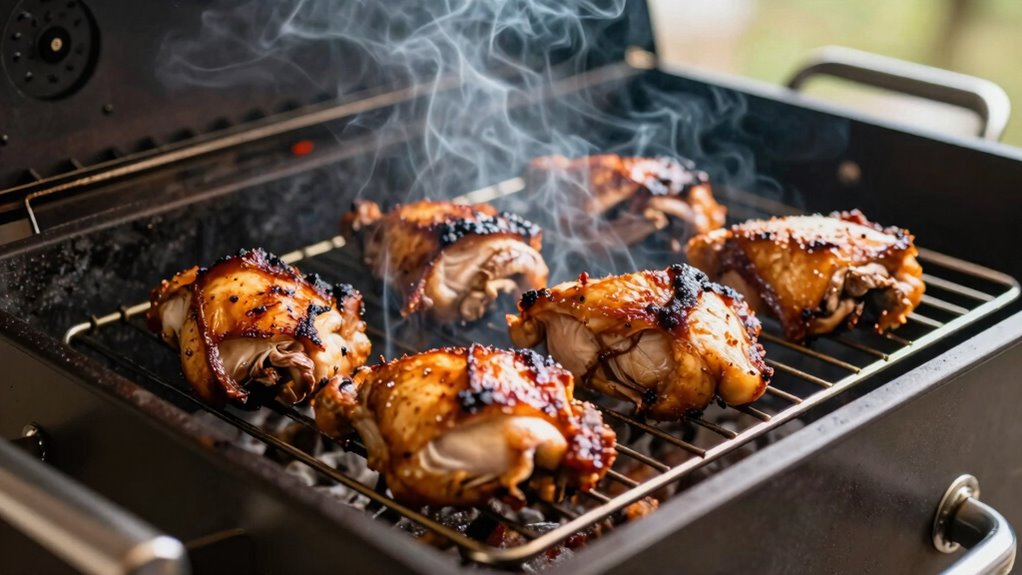
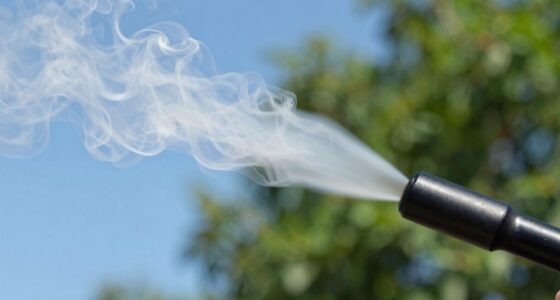
Starting with a smoker can feel intimidating, especially if you’re new to the world of outdoor cooking. The idea of controlling temperature, managing smoke, and cooking meat to perfection might seem overwhelming at first. But the best way to build confidence is to start simple, and a great first project is brisket. Brisket preparation is straightforward and forgiving, making it ideal for beginners. You don’t need fancy equipment or complicated marinades—just a good quality brisket, some basic seasonings, and patience. When you’re ready to smoke, focus on smoking temperature control. Maintaining a steady temperature, around 225-250°F, is key to ensuring the meat cooks evenly and stays tender. This steady heat allows the connective tissues to break down slowly, resulting in that melt-in-your-mouth texture everyone loves.
Start simple with brisket to build confidence in smoking and perfect your technique.
To prepare your brisket, trim any excess fat, but don’t remove it all—fat adds flavor and keeps the meat moist during the long smoke. Apply a simple rub of salt, pepper, and your favorite spices, then let it rest in the fridge for a few hours or overnight. When it’s time to cook, preheat your smoker to the right temperature. Controlling the smoker’s heat might seem tricky at first, but once you learn to regulate your vents and monitor the temperature with a reliable thermometer, you’ll get the hang of it quickly. Keep an eye on the temperature, and make small adjustments to maintain that steady range.
As the brisket smokes, resist the temptation to open the lid frequently. Each time you do, you let out valuable heat and smoke, which can extend your cooking time. Instead, check the internal temperature of the meat after several hours using a meat thermometer. When it hits about 195-205°F, it’s ready. Let the brisket rest for at least 20 minutes before slicing; this allows the juices to redistribute, ensuring every bite is juicy and flavorful.
Starting with brisket teaches you essential skills—how to prep meat, control smoker temperature, and manage cooking time. Once you master these basics, you’ll gain confidence to try other cuts and recipes. Remember, patience is your best friend in smoking. The process may take hours, but the reward of tender, smoky meat makes every minute worth it. With each cook, you’ll learn more about your smoker’s quirks and develop your own approach, making outdoor smoking not just a task, but an enjoyable, rewarding experience.
digital meat thermometer for smoking
As an affiliate, we earn on qualifying purchases.
As an affiliate, we earn on qualifying purchases.
Frequently Asked Questions
How Long Does It Take to Master Smoking Techniques?
Mastering smoking techniques takes time and practice, usually several months, depending on how often you smoke and your dedication. You’ll learn to adjust smoking duration for different flavor profiles, which is key to perfecting your results. As you experiment with various meats and woods, you’ll develop intuition for controlling temperature and smoke, gradually building your skills. Patience and consistent practice are your best tools for becoming confident with smoking.
What Safety Precautions Should I Follow When Using a Smoker?
Remember, safety first—an ounce of prevention is worth a pound of cure. When using a smoker, follow food safety guidelines: keep raw meat separate, maintain proper temperatures, and avoid cross-contamination. Regularly clean your equipment to prevent bacteria buildup and guarantee efficient operation. Always check for gas leaks or electrical issues before starting, and never leave the smoker unattended. These precautions keep you safe and ensure delicious, worry-free smoking.
Can I Use Any Type of Wood for Smoking?
You can’t use any type of wood for smoking; different woods offer unique wood flavors that impact your meat’s taste. Hardwoods like hickory, oak, and apple are popular for their balanced smoking duration and flavor. Avoid softwoods, which can produce harmful chemicals. Consider the smoking duration too—lighter woods like fruit woods work well for shorter sessions, while denser woods are better for longer smoking times, giving your food rich, smoky flavor.
How Do I Maintain Consistent Temperature in My Smoker?
To maintain a consistent temperature in your smoker, start by monitoring the temperature regularly with a reliable thermometer. Adjust vents to control airflow, which influences heat and smoke duration. Keep a steady temperature to guarantee proper flavor infusion, preventing temperature fluctuations. Using quality charcoal or wood chunks helps stabilize heat. Consistent temperature is key to achieving even smoke duration, resulting in perfectly smoked foods every time.
What Are Common Mistakes Beginners Make With Smokers?
Did you know that nearly 40% of beginners struggle with maintaining proper temperature? One common mistake is choosing the wrong meat or ignoring flavor profiles, which can lead to underwhelming results. You might also rush the process or open the smoker too often, losing heat. To avoid these pitfalls, select meats suited for smoking, like brisket or ribs, and keep consistent temperature for rich, flavorful results.
As an affiliate, we earn on qualifying purchases.
Conclusion
Don’t let the fear of messing up hold you back—starting with simple, forgiving recipes like chicken breasts or sausages will build your confidence. Even if your first attempt isn’t perfect, you’ll learn valuable lessons for next time. Remember, everyone starts somewhere, and practice makes perfect. So fire up your smoker, keep it simple, and enjoy the delicious journey of mastering your new skill. Before long, you’ll be impressing friends with expertly smoked meats!
As an affiliate, we earn on qualifying purchases.
As an affiliate, we earn on qualifying purchases.
Halloween Picks
halloween
As an affiliate, we earn on qualifying purchases.