
TL;DR

Get kitchen gear delivered free with Prime
- Fast, free delivery on millions of items
- Prime Video, Amazon Music and more included
- Member-only deals all year
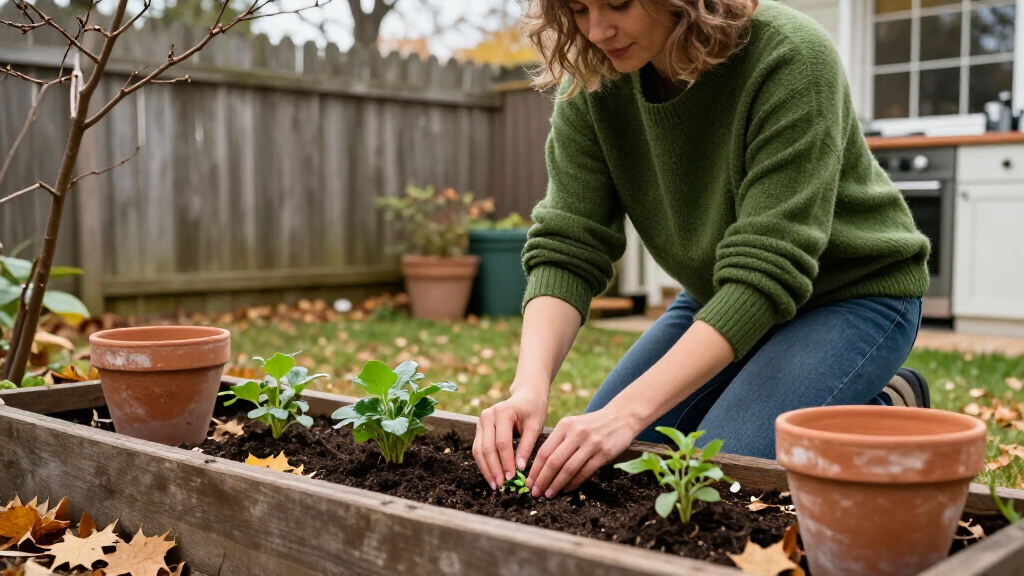
A Veranda gardening report outlines 16 flowers, vegetables and fruit plants that may be planted in October, including daffodils, garlic, leafy greens and fruit trees. The recommended timing depends on local frost dates, winter severity, soil conditions and plant type; the list is guidance, not a guarantee that every plant suits every region.
Veranda has published a guide to 16 plants for October planting, ranging from daffodils and crocuses to garlic, leafy greens and fruit trees. The recommendations offer gardeners options for autumn planting, but the right timing depends on local frost dates, winter temperatures and soil drainage.
The report groups together spring-flowering bulbs and flowers, edible crops and fruiting plants. It recommends planting daffodil bulbs in early to mid-October, before the ground freezes, and planting crocus corms about six to eight weeks before the first hard frost. Tulips, by contrast, are associated with a soil-temperature cue: the guide says to wait until average nighttime temperatures are around 50 degrees.
For edible crops, Veranda lists radishes, garlic, leafy greens, peas and shallots. Radishes can mature in about three to four weeks, according to the report, while spinach, kale and other lettuces are suggested for planting six to eight weeks before the first frost. The guide says garlic planted in fall can establish roots before winter and notes that hardneck varieties generally suit colder climates, while softneck types are suggested for USDA zones 8 through 12.
The remaining recommendations include delphiniums, fruit trees, blackberries and anemones, as well as turnips, beets and other plants mentioned alongside the featured crops. Veranda advises planting delphinium seeds four to six weeks before the first frost, and says fruit trees can be planted after temperatures have fallen into the low 80s, in a sunny location with good drainage. These are general recommendations from the report; local extension guidance and cultivar-specific instructions may differ.
Autumn Planting Depends on Local Conditions
The list matters to gardeners planning work before winter because October planting can serve different purposes: bulbs and some perennials establish roots ahead of spring growth, while cool-season vegetables may provide a near-term harvest. A planting date that works in one region could be too late or too early elsewhere, making first-frost timing and winter severity more useful than the calendar month alone.
Care after planting also affects results. Veranda warns that radishes need evenly moist soil to avoid woody roots and that crocus corms can be damaged by excess water. For daffodils, it advises leaving foliage in place after flowers fade because the leaves feed the bulbs. The practical takeaway is to match each plant’s needs to the garden’s conditions rather than treating all 16 as interchangeable.
fall flower bulbs daffodil crocus tulip
As an affiliate, we earn on qualifying purchases.
As an affiliate, we earn on qualifying purchases.
The Guide’s Regional Planting Cues
October is not a single planting window across the United States. The report repeatedly ties planting to the first frost, hard frost or ground freeze, and it limits some suggestions to mild-winter or warmer regions. It also distinguishes between plant types: bulbs and corms have different planting instructions from seeds, bare-root blackberries or garlic cloves.
Several recommendations address care beyond the planting date. The report suggests well-draining soil for crocuses and fruit trees, sunlight for peas and blackberries, and mulch around blackberry plants. It also cautions that onions, including shallots, may be poor fall choices in areas with harsh winters. The source is a gardening guide, not a region-by-region planting calendar, so readers should check local frost dates and instructions for their selected varieties.
“Plant the seeds four to six weeks before the first frost.”
— Veranda gardening report
fall vegetable seeds garlic shallots
As an affiliate, we earn on qualifying purchases.
As an affiliate, we earn on qualifying purchases.
Which Plants Suit Each Garden?
The report does not provide planting dates tailored to individual cities, nor does it specify the full range of varieties that may work in different climates. Its recommendations cannot establish that all 16 plants will thrive in every location. Local frost dates, soil type, drainage and winter conditions remain important, and the report’s fruit-tree suggestion does not identify which species or cultivars suit particular regions.
The source also does not give a complete harvest forecast or guarantee that crops planted in October will be ready by a particular date. Its statement that fruit trees may yield as soon as the following year is a possibility presented by the guide, not a confirmed outcome for every tree or growing region.
As an affiliate, we earn on qualifying purchases.
Check Frost Dates Before Planting
Gardeners considering the recommendations can first check their area’s expected first-frost date and compare it with the planting window for the specific seed, bulb or plant. They should also verify that the variety is suited to local winter conditions and follow package or nursery instructions on planting depth, spacing and watering.
After planting, monitor soil moisture and drainage as temperatures change. The guide advises keeping radishes evenly moist, avoiding excess water for crocuses and tulips, and leaving daffodil foliage intact after flowering. These steps do not remove the uncertainty of local weather, but they help align October planting with each plant’s stated needs.
As an affiliate, we earn on qualifying purchases.
Key Questions
Which bulbs does the report recommend planting in October?
It discusses daffodils, crocuses and tulips, along with anemones. Timing varies: the report recommends daffodils before the ground freezes, crocuses six to eight weeks before a hard frost, and tulips when average nighttime temperatures are around 50 degrees.
Can vegetables be planted in October?
Yes, in suitable conditions. The guide lists radishes, leafy greens, garlic, peas and shallots, while noting that frost timing and winter severity affect what is practical. It says radishes may mature in about three to four weeks.
Are all 16 plants suitable for every climate?
No. The report includes regional qualifications, such as recommending some fall planting for milder winters and identifying garlic types for different climates. Gardeners should check local frost dates and variety-specific advice.
What should gardeners do with daffodil leaves after flowering?
Veranda advises leaving the foliage in place after the flowers fade. The report says the leaves feed the bulbs and support larger blooms in a later season.
Source: rss
Columbus Day / Indigenous Peoples' Day Picks
long weekend sales
As an affiliate, we earn on qualifying purchases.