TL;DR

Get kitchen gear delivered free with Prime
- Fast, free delivery on millions of items
- Prime Video, Amazon Music and more included
- Member-only deals all year
Apple’s HomeView smart display can present compatible online recipes as streamlined, hands-free cooking instructions after users open the source recipe. Food writers say that format may reduce repeat ad views and remove useful context, although the scale of any effect is not yet known.
Apple’s HomeView smart display can turn compatible online recipes into step-by-step, hands-free instructions, a feature that food writers say could cut repeat visits and ad views that help fund recipe publishing. The system requires users to open a recipe on an iPhone or in Safari on HomeView first, but the simplified cooking view may leave out the surrounding writing, advertising and other material on the original page.
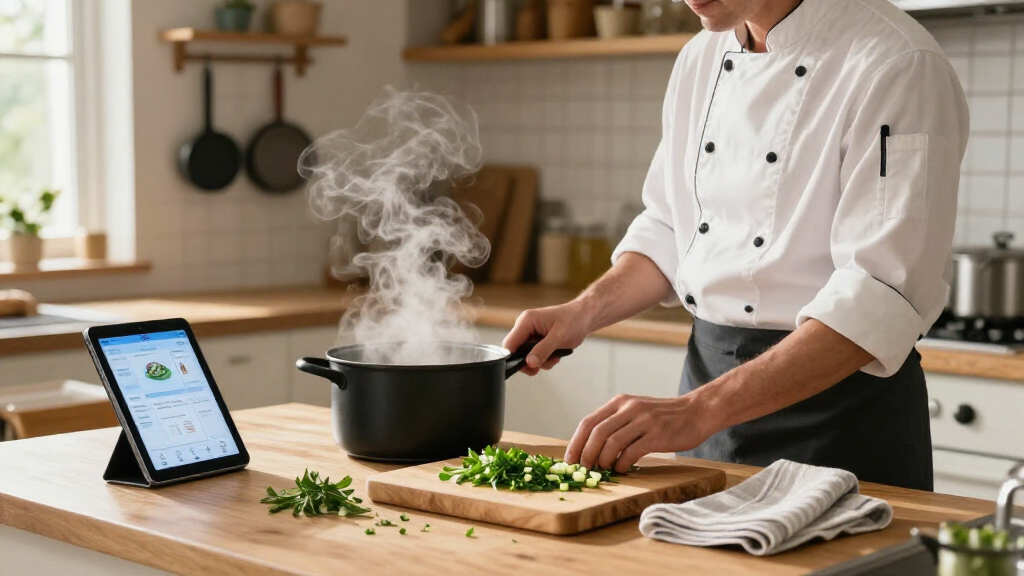
In its HomeView advertisement, Apple showed a family using the display during a busy morning, including to pull up a French toast recipe. The feature is designed to present ingredients, instructions and timers without requiring cooks to scroll through a full webpage or keep touching a screen. Voice controls and Siri support are part of the hands-free appeal described in the report.
The Verge reported that HomeView works with online recipes using Google’s search-friendly recipe formatting. Before a recipe appears on the display, however, the user must open its original page on an iPhone or through Safari on HomeView. That initial visit can expose the user to the page’s ads, but writers and publishers may lose the additional ad impressions generated if someone keeps the webpage open while cooking.
Food writers interviewed by The Verge raised concerns about both revenue and missing information. Recipe pages can include advertising and affiliate links, while accompanying text may explain troubleshooting, ingredient substitutions or other details that do not fit into a basic instruction list. The report did not provide data measuring HomeView’s audience or its effect on recipe publishers’ earnings.
Recipe Views and Writer Income
The issue is part of a broader tension between making online information easier to use and preserving the ways its creators are paid. A cooking display that extracts a recipe can make the instructions more practical at the stove, but it may also keep users from returning to the publisher’s page or seeing its ads. Writers commonly rely on advertising and affiliate links, according to The Verge report, so fewer page views or shorter visits could affect a source of income.
The same design choice can affect cooks. A concise recipe card may be enough for a straightforward dish, while background text elsewhere on a page may answer questions about ingredient swaps or cooking problems. Whether HomeView keeps, omits or links to all such details is not specified in the material. The central question is not simply whether a shorter display is convenient, but whether it carries the information readers need while still directing value to the people who developed the recipe.
HomeView is one more example in a changing landscape where platforms can reformat or summarize material originally published elsewhere. The report suggests that its reach may be smaller than Google’s AI-generated recipe summaries, but it provides no user or market figures to establish the relative scale.
As an affiliate, we earn on qualifying purchases.
Earlier Recipe-Extraction Tools
Online recipe pages vary widely, from large databases such as Allrecipes and NYT Cooking to food publications and independent writers publishing on blogs, newsletters and social platforms. The Verge report says the text around recipes serves more than one purpose: it can provide cooking guidance, and it can help pages appear in search results. Eater senior reporter Bettina Makalintal told The Verge that writers had to expand text in particular ways to improve their chances of appearing in Google searches.
HomeView enters a field with earlier attempts to separate recipes from their webpages. In 2021, startup Recipeasly offered to remove ads and personal stories from online recipes, but took the service offline after substantial online backlash. Amazon Echo Show devices have offered hands-free recipes through partner sites including Allrecipes and Epicurious. Google removed step-by-step recipe features from Nest Hub devices in 2024 as part of the removal of other features it described as underused, according to the report.
The report also points to Google Search’s use of Gemini AI to assemble recipe information into a streamlined result, potentially letting users get a recipe without clicking through to its original source. Unlike those examples, the report describes Apple’s feature as working with any online recipe using the specified formatting, while still requiring an initial visit to the source page.
recipe viewing device with voice control
As an affiliate, we earn on qualifying purchases.
As an affiliate, we earn on qualifying purchases.
HomeView’s Reach and Recipe Details
The report provides no figures for HomeView sales, recipe use or publisher revenue, so the size of any financial effect remains unknown. It is also unclear how many people will use the recipe feature compared with Google’s AI summaries, Amazon’s partner-based tools or other recipe services.
The source material does not specify exactly which surrounding details HomeView retains, how it handles recipe pages with extensive troubleshooting advice, or whether it displays links back to the original page while a user cooks. The initial page visit is confirmed in the report, but whether that visit offsets lost repeat views will depend on usage patterns that have not been reported.
digital recipe assistant for cooking
As an affiliate, we earn on qualifying purchases.
As an affiliate, we earn on qualifying purchases.
Usage Will Determine the Impact
The next useful indicators would be HomeView adoption and recipe-feature usage, along with information from Apple about how recipe pages are displayed and linked. Publishers may also watch whether users still visit original pages after loading a recipe and whether the feature changes ad impressions or affiliate activity. No such measurements or timelines are provided in the report.
For cooks, the practical test will be whether the stripped-down instructions preserve enough detail for a recipe to work reliably. For recipe writers, the larger question is whether convenience features can send readers to original sources in a way that supports the labor behind the recipes. Those outcomes remain open as HomeView’s use develops.
As an affiliate, we earn on qualifying purchases.
Key Questions
What does Apple HomeView do with online recipes?
It presents compatible recipes as step-by-step instructions, with ingredients and timers designed for hands-free use. Users must first open the recipe on an iPhone or in Safari on HomeView.
Does HomeView work with every online recipe?
The Verge report says HomeView works with recipes using Google’s search-friendly recipe formatting. It does not provide a list of compatible sites or explain how often a recipe may fail to load.
Why are recipe writers concerned?
Writers and publishers may rely on advertising and affiliate links on their webpages. A cook may see the page once to load a recipe but then use HomeView rather than keeping the original page open, reducing opportunities for repeat ad views.
Could cooks lose useful recipe information?
That is possible, according to the writers quoted in the report. Surrounding text can include troubleshooting advice and substitution guidance, but the report does not detail exactly what HomeView includes or omits.
Is HomeView already affecting recipe publishers’ income?
The report gives no sales, usage or revenue data showing an effect. The concerns are about how the feature could change page visits and advertising exposure if it gains a substantial audience.
Source: rss
Halloween Picks
halloween
As an affiliate, we earn on qualifying purchases.