
TL;DR

Get kitchen gear delivered free with Prime
- Fast, free delivery on millions of items
- Prime Video, Amazon Music and more included
- Member-only deals all year
An Ideal Home report suggests seven alternatives to binning Halloween pumpkins, including saving or roasting seeds, composting, burying pieces in a garden bed and making a temporary bird feeder. It warns against leaving pumpkins in woodland and says pumpkins exposed to candles or outdoor conditions should not be eaten.
Ideal Home has outlined seven ways to reuse Halloween pumpkins after the holiday, including saving seeds, composting the remains and turning a hollow shell into a temporary bird feeder. The gardening advice also cautions people not to leave pumpkins in woodland for animals to eat, saying decomposing or decorated pumpkins can pose risks to wildlife.
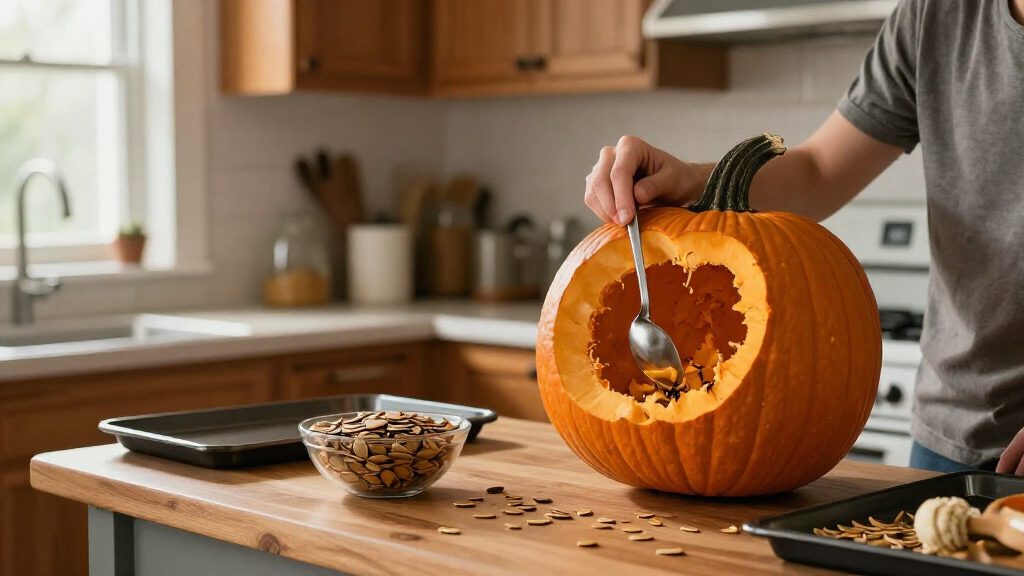
The suggestions range from food and gardening uses to decorations and wildlife-related projects. Seeds can be washed and thoroughly dried for planting in spring, or seasoned and roasted as a snack. The report’s author says two seedlings grown from saved seeds produced four pumpkins the following year; that is a personal experience, not a general yield estimate.
For garden disposal, the report recommends cutting pumpkins into smaller pieces before adding them to compost. Rachel Cole, senior seed and plant buyer at DT Brown, says pumpkin is moist and nitrogen-rich, so too much can make a compost heap wet or compacted. She advises balancing it with dry, carbon-rich material such as fallen leaves and turning the heap to maintain airflow.
Without a compost bin, small pieces can be buried in an empty bed intended for future planting, kept away from plant stems and given time to break down. Other ideas include choosing no-carve decorations to keep pumpkins in better condition for possible cooking, and using a hollow shell as a short-term bird feeder. The supplied report also mentions cooking pumpkin flesh, but says an outdoor pumpkin or one that held a candle should not be eaten.
Keeping Pumpkins Out of the Bin
After Halloween, households may have pumpkins that are still usable or can be put to work in the garden. The report offers ways to reuse that material while cautioning against disposal practices that could harm wildlife. Condition and prior use matter: a sound pumpkin kept indoors may be suitable for food, but one left outdoors or used with a candle is not recommended for eating.
The advice also distinguishes useful reuse from simply moving waste elsewhere. Leaving pumpkins in woodland may seem like feeding wildlife, but the report says pumpkins are not a natural woodland food and can rot or carry residues from decorations. Composting or controlled garden burial keeps the remains in a managed setting instead.
Products Worth Considering

Cuisinart ICE-70P1 2-Quart Ice Cream Maker with Countdown Timer

KitchenAid Go Cordless Citrus Juicer with Battery, KCJR161BM

De'Longhi Rivelia Fully Automatic Espresso Machine with Milk Frother, White
As an affiliate, we earn on qualifying purchases.
From Carving to Garden Reuse
Carved pumpkins are a common Halloween decoration, but carving and outdoor display can leave the flesh exposed to weather and contamination. The Ideal Home report frames reuse as a way to make use of the pumpkin after celebrations, while noting that some methods depend on whether it was carved, decorated, stored indoors or left outside.
The gardening suggestions rely on basic distinctions: dry seeds can be stored for planting, fresh seeds can be prepared as food, and unsuitable flesh can be composted or buried. The report’s expert contributor, Rachel Cole of DT Brown, stresses that pumpkin should be added in manageable quantities and mixed with dry material. These are practical recommendations from the report, not a formal disposal rule for every local area.
“It’s easy to think of a pumpkin as something only useful for Halloween, but it’s actually a valuable organic material that people can put to good use.”
— Rachel Cole, senior seed and plant buyer at DT Brown
Check Each Pumpkin’s Condition
The source does not identify a publication date, provide a formal food-safety standard or assess how long a particular pumpkin remains safe to eat. Its cooking advice is conditional: the pumpkin must be an appropriate food variety, intact, properly stored and free of deterioration. The report advises against eating pumpkins that have been left outside or held a candle, but does not list every possible contamination risk.
The supplied source text begins its bird-feeder instructions but cuts off before completing the final method. It describes cutting a large pumpkin into halves, making holes and threading wire through them to hang the shells. It does not provide further guidance on suitable bird food, cleaning or how long the feeder should remain outside.
Choose a Safe Reuse Method
Households can first check whether a pumpkin is sound and how it was used. Seeds intended for planting should be washed and fully dried before storage; food use should be limited to pumpkins that meet the report’s condition and storage caveats. Pumpkins not suitable for eating can be cut up for compost or buried in a bed being prepared for future planting.
For compost, add small amounts and mix them with dry leaves or other carbon-rich material, then maintain airflow by turning the heap. Anyone considering a bird feeder can follow only the method included in the source: use a hollow shell as a temporary bowl, pierce it and suspend it with wire. The report gives no further maintenance instructions, so the feeder should not be treated as a permanent fixture.
Key Questions
What are some ways to reuse a Halloween pumpkin?
The report suggests saving seeds for planting, roasting seeds for food, composting the flesh, burying small pieces in a garden bed, reusing suitable pumpkin for cooking, and making a temporary bird feeder. It also recommends no-carve decoration for future pumpkins, which can leave them in better condition.
Can Halloween pumpkins be left in the woods for wildlife?
The report advises against it. It says pumpkins can rot and become mouldy, are not natural woodland food, and may make animals unwell or spread disease. Candlewax or other decorations can also leave harmful residues.
Can I eat a pumpkin that was used as a decoration?
According to Rachel Cole, an intact pumpkin kept indoors and stored properly might be suitable for cooking if it is a food-safe variety and shows no deterioration. The report says not to eat one that was left outdoors or used to hold a candle.
How should pumpkin be added to a compost heap?
Cut it into smaller pieces and add it in a moderate amount. Cole recommends mixing the moist, nitrogen-rich pumpkin with dry, carbon-rich material such as fallen leaves and turning the heap to help maintain airflow.
Source: idealhome.co.uk