TL;DR

Get kitchen gear delivered free with Prime
- Fast, free delivery on millions of items
- Prime Video, Amazon Music and more included
- Member-only deals all year
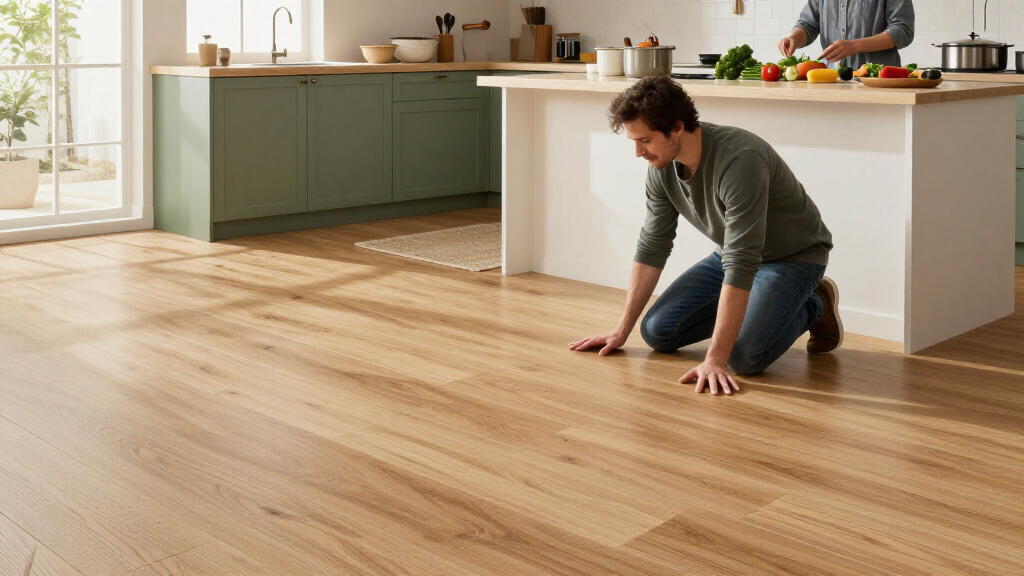
Porcelain wood-look tile is getting more realistic, with new collections shown at the Cersaie trade fair and manufacturers emphasizing varied wood species and tactile finishes. Designers cited in House Beautiful see practical benefits in moisture-prone spaces, but tile can feel colder and harder than hardwood, and installation can make it just as expensive.
New porcelain flooring collections that imitate wood are drawing attention for more realistic grain and texture, but designers quoted by House Beautiful say the material is a practical alternative to hardwood in some settings—not a universal replacement. The designs were among the tile launches at Cersaie, an annual international exhibition in Bologna, and their appeal centers on combining a wood-like appearance with porcelain’s resistance to moisture and wear.
Italian tilemaker Atlas Concorde showed an expanded Log Anthology collection featuring six wood species: Douglas fir, ash, elm, walnut, teak and zebrano. The company says its surface technology pairs slip resistance with a softer feel, while high-definition decoration reproduces variations found in natural timber. Marca Corona introduced Elisir Pura, a porcelain collection inspired by Slavonian oak, with two looks and a glaze intended to create subtle grain depressions. Floor & Decor’s NatureMatch line also focuses on wood-like visuals and textures.
The manufacturers’ emphasis is on detail beyond printed grain: knots, tonal variation, surface finish and texture. Ashley Biscan, Floor & Decor’s design and trend expert, told the magazine that wood-look tile has matured since its introduction and said demand is growing as its appearance improves. She said current popular styles tend toward light tones, restrained grain and limited color variation, rather than exaggerated knots.
Designers cited in the report point to kitchens, bathrooms, mudrooms and outdoor areas as settings where porcelain can be useful. Florida-based designer Britney Stein said her team selected it for an oceanfront home exposed to humidity, salt air and moisture. She is also working on an outdoor loggia with chevron-pattern porcelain color-matched to indoor hardwood, aiming to make the areas feel visually connected when sliding doors are open.
Where Porcelain Can Beat Wood
The material’s strongest case is practical: porcelain resists moisture, scratches and everyday wear better than natural hardwood, according to the report. That can make it a candidate for rooms where water, humidity or heavy use complicate the upkeep of wood. In coastal and desert regions, Biscan said, environmental conditions can make hardwood more challenging to maintain.
Wood-look tile can also help carry a consistent visual style from indoors to outdoor spaces. Stein described matching outdoor porcelain with interior hardwood as a way to create continuity, rather than using the same flooring material everywhere. That distinction matters to homeowners weighing appearance against performance: tile may reproduce the look of wood, but it remains a different material with different comfort and installation characteristics.
The trade-off is not simply cost versus luxury. Porcelain is harder and cooler underfoot than hardwood, and Stein cautioned that higher-end tile and installation can together cost as much as natural wood. The trend therefore points to a broader set of choices, not a clear price or performance winner for every project.
As an affiliate, we earn on qualifying purchases.
From Printed Grain to Texture
Wood-look tile has been available for decades, so the news is not that manufacturers have invented the category. The development described by House Beautiful is a push toward more convincing surfaces, with launches that attempt to replicate both a particular species’ visual markings and the tactile character of timber. At Cersaie, the publication’s reporter observed wood-like designs across multiple tile launches.
The recent collections span different price and market positions: Atlas Concorde and Marca Corona are Italian manufacturers, while Floor & Decor has introduced its NatureMatch line. Their products show how the category is being presented through species choices, finishes and formats. Atlas Concorde offers coordinating indoor planks, outdoor pavers and herringbone formats, as well as large-format slabs, according to the report.
That product development does not by itself establish how widely homeowners are adopting wood-look tile or whether it is displacing hardwood in sales. The source offers examples of designer use and a retailer expert’s account of demand, but no market-wide sales figures or comparison with hardwood flooring.
“Realism today is as much about touch as it is about sight.”
— Viola Pagani of Atlas Concorde
moisture resistant bathroom flooring
As an affiliate, we earn on qualifying purchases.
As an affiliate, we earn on qualifying purchases.
No Evidence of a Flooring Takeover
The report documents new collections and designers’ reasons for specifying wood-look tile, but it does not show that porcelain is replacing hardwood across the flooring market. It includes no sales data, market share figures, or survey comparing homeowner and designer preferences. Biscan’s account of growing demand is attributed to a retailer expert and is not quantified.
It is also unclear how the new products compare with hardwood on total cost in specific projects. The report notes that some higher-end tile can reach hardwood-level costs once installation is included, but gives no product prices, labor rates or project-by-project comparisons. Nor does it establish how different tile finishes perform over time in every climate or room.
The source excerpt ends as it begins a section on designers’ views, with an incomplete sentence from another designer. That missing material means the available reporting does not capture the full range of opinions introduced in the article. The confirmed takeaway is limited: some designers use wood-look tile for practical reasons, while its comfort and cost can count against it.
As an affiliate, we earn on qualifying purchases.
Compare Materials Project by Project
For readers considering a floor, the next step is a room-specific comparison rather than assuming wood-look tile is a direct substitute for hardwood. Evaluate the likely exposure to moisture and wear, the desired feel underfoot, the tile and hardwood product costs, and the full installation estimate. Samples can help compare grain, color and texture in the room’s actual light.
Further evidence would be needed to determine whether the trend is changing flooring choices at scale: comparable sales data, adoption figures and a fuller range of designer views. The source does not announce a future industry milestone or provide a timeline for such data. For now, the collections mark continued product development, while designers’ reported choices remain tied to the needs of individual projects.
As an affiliate, we earn on qualifying purchases.
Key Questions
Is wood-look tile replacing hardwood floors?
The report does not establish a market-wide replacement. It describes new, more realistic porcelain collections and examples of designers using tile where moisture resistance or outdoor continuity is useful.
What are the main advantages of wood-look porcelain?
Porcelain is highly resistant to moisture, scratches and everyday wear, according to the report. Those properties can suit kitchens, bathrooms, mudrooms and some outdoor spaces better than natural hardwood.
What are the drawbacks compared with hardwood?
Tile is harder and cooler underfoot. The report also says premium porcelain and installation can cost as much as natural hardwood, so it is not always the less expensive option.
What styles are designers and retailers favoring?
Floor & Decor expert Ashley Biscan said popular looks include light wood tones, understated grain and minimal color variation. The new collections also draw on species such as ash, walnut, teak and oak.
Where might wood-look tile make the most sense?
Designers cited in the report use it in moisture-prone or exposed settings, including an oceanfront residence and an outdoor loggia. Suitability depends on the room, climate, comfort preferences and total installed cost.
Source: rss
Fall Picks
fall essentials
As an affiliate, we earn on qualifying purchases.