
TL;DR

Get kitchen gear delivered free with Prime
- Fast, free delivery on millions of items
- Prime Video, Amazon Music and more included
- Member-only deals all year
Reverse glass paintings—artworks painted on the back of glass—are drawing renewed attention from designers and vintage-art buyers, according to House Beautiful. Experts point to their color, handmade character and aged frames; the source does not establish how broad the trend is or confirm a market-wide price rise.
Reverse glass paintings, an antique art form made by painting images on the back of glass, are drawing renewed interest among designers and vintage-art buyers, according to a House Beautiful report. The renewed attention could put the works—some of which may be found in family art collections—on more shoppers’ radar, although the report does not quantify the trend or establish how many households own them.
The works were popular in India during the 18th and 19th centuries. Because artists paint on the reverse of a glass sheet, the image is viewed through the glass, producing a colorful, painterly appearance. Subjects can include plants, flowers, boats, shells and people; vintage art gallery founder Annalise Holasz said animals are among the most common motifs.
Experts quoted by House Beautiful connect the paintings’ appeal to their hand-made look, bright colors and often characterful frames. Holasz described the pieces as having a “really naïve” quality, with small variations that make each work distinctive. Alexander Widener, owner of Widener Company, said they speak to an appetite for craft in a digital era. Interior designer Melanie Lissack also identified their mix of vintage character and a modern feel as part of their appeal.
The report notes that a Paris apartment tour by designer Tory Burch in Vogue featured reverse glass paintings in a powder room, a visible example of the works appearing in a high-profile interior. For buyers, experts recommend looking beyond the image: a worn frame may add character, while bubbles in the glass can be a clue that it was handblown. Widener said handblown glass was standard practice until the early 20th century, but bubbles alone do not establish a painting’s age or authenticity.
A Vintage Find With a Visible Draw
The renewed attention gives collectors and homeowners another option beyond more familiar vintage paintings. These works can be small, colorful and varied in subject, and experts say they can be displayed alone, in groups or among other art. Their possible presence in a relative’s collection may prompt a closer look, but the report does not suggest that every old glass painting is valuable or antique.
There is also a practical distinction: the image sits behind the glass, which Lissack said can protect the painted surface. House Beautiful’s report suggests kitchens and bathrooms as possible display spots, but it does not provide conservation guidance or say that all examples can withstand humidity, heat or direct sunlight. Buyers should assess each piece’s condition and display needs rather than assume the format makes it durable in every setting.
Products Worth Considering

Ninja Crispi Glass Air Fryer (Stone) – 4‑in‑1

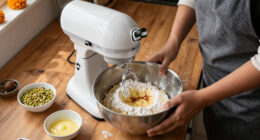
KitchenAid Artisan 5-Quart Tilt-Head Stand Mixer, Almond Cream

De'Longhi Magnifica Duo Fully Automatic Espresso Machine with Milk Frother, Silver
As an affiliate, we earn on qualifying purchases.
How Buyers Can Recognize Older Works
Reverse glass painting is a technique rather than a single style or guaranteed date. The report links the form’s popularity in India to the 18th and 19th centuries, while noting that handblown glass remained standard practice until the early 20th century. Those details offer historical clues, not proof that a particular work comes from a specific period or place.
For shopping, Holasz recommends browsing listings carefully and comparing frames and styles before deciding. She points to Etsy and eBay as online sources, and to flea markets and antique shops as possible places to find works. Truly antique examples may be available at auctions, she said. House Beautiful cited eBay listings ranging from $5 to $5,000; that is a broad snapshot of listings, not a verified average, sale price or price trend.
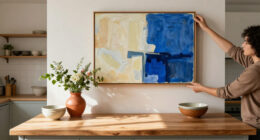
Designers quoted in the report suggest hanging several small pieces together, mixing them into a gallery wall, or leaning them on a bookshelf. Widener said unframed works can be displayed with wire plate hangers and that light passing through a painting placed in a window can be attractive. These are styling suggestions from the experts, not preservation advice.
““They capture the spirit of craft and yesteryear that so many of us are craving in our increasingly digital world.””
— Alexander Widener, owner of Widener Company
The Trend and Prices Remain Unmeasured
The report does not include sales data, search figures or other measures establishing how widespread the renewed interest is. It also gives no publication date, so the timing of the trend and the apartment tour cited as an example cannot be assessed from the supplied material. Statements that the pieces are in demand come from the experts quoted, not from market-wide data.
Prices vary widely in the cited online listings, and the report does not say whether the examples sold, how their condition or provenance differed, or what comparable works fetched at auction. It is also unclear how often antique examples turn up in family collections. Frame wear and glass bubbles can inform a buyer’s inspection, but the source does not present them as definitive authentication tests.
Collectors May Watch Listings
House Beautiful’s report points readers toward auctions for older examples and toward online marketplaces, flea markets and antique shops for a broader search. Holasz advises comparing listings and deciding which styles and frames appeal before a promising piece appears, since she said works can sell quickly. The report identifies no upcoming auction, sale or further market milestone.
Anyone considering a purchase can ask sellers about the painting’s age, origin, condition and any restoration, then compare those claims with available documentation. For an expensive or purportedly historic work, an independent specialist’s assessment may help clarify what is known. Until broader sales or trend data are available, the scale and staying power of the comeback remain uncertain.
Key Questions
What is a reverse glass painting?
It is an image hand-painted on the back of glass, so the artwork is seen through the glass. The technique produces a colorful, painterly look.
How can a buyer tell whether one is antique?
The report says bubbles in the glass can be a clue to handblown glass, and a worn frame may appeal to collectors. Neither feature alone proves a work’s age or authenticity; the source offers no definitive authentication method.
Where can people look for these paintings?
House Beautiful names Etsy, eBay, flea markets, antique shops and auctions. It says auctions may be more likely to carry examples described as truly antique.
How much do reverse glass paintings cost?
The report cites eBay listings from $5 to $5,000. Those asking prices cover a wide range and do not show what works actually sold for or establish a typical market price.
How are they commonly displayed?
Designers quoted in the report suggest grouping small works, adding them to a gallery wall or leaning them on a bookshelf. Display near windows is another suggestion, though the report does not offer conservation guidance for light exposure.
Source: housebeautiful.com