TL;DR

Get kitchen gear delivered free with Prime
- Fast, free delivery on millions of items
- Prime Video, Amazon Music and more included
- Member-only deals all year
Apartment Therapy published advice from designers and vintage-home experts on seven categories of belongings people may regret donating, including old books, quilts and family keepsakes. The guidance is personal, not a blanket instruction to keep everything: experts suggest weighing sentimental value, possible usefulness and storage before clearing items out.
Apartment Therapy has published advice from designers and vintage-home specialists urging people to pause before donating certain decor and keepsakes, including vintage books, handmade quilts and family collectibles. The experts say some objects may carry sentimental value, serve a practical or decorative purpose, or merit a closer look before they leave the home; the article does not establish that any item is valuable or worth keeping in every case.
The report, written by Heather Bien, focuses on the risk of clearing out belongings too quickly and later wishing they had been kept. Its seven categories are vintage books, sentimental collectibles, antique quilts, old dishes, hand-me-down knickknacks and travel souvenirs, along with frameable family memorabilia and other personal objects discussed alongside the mementos. The article’s central advice is selective retention, rather than keeping every item or abandoning decluttering.
Sara McDaniel, a designer and vintage seller, says older books can work as styling pieces and that some books may be rare first editions. That is a possibility, not a claim that ordinary old books are automatically valuable. Kylie Bass, founder and principal of KBB Interiors, recommends keeping a small number of collectibles with personal meaning rather than holding onto an entire collection.
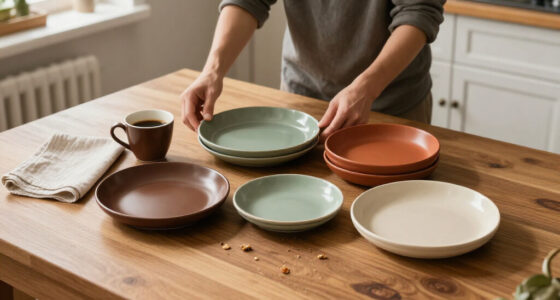
Vintage-home blogger Ann Couser Kittredge describes handmade quilts as difficult to replace, particularly when made by a loved one, and points to possible uses as throws, bed coverings or tablecloths. She also suggests repurposing older dishes for display or everyday storage. Designer Laura Medicus says seemingly modest family objects and travel mementos can bring personal history to shelves when displayed with other items.
Avoiding Regret After a Clear-Out
The advice speaks to a common practical problem in decluttering: donating an item is usually difficult to reverse, and replacing something later can cost time or money. Family-made objects and personal souvenirs may also have emotional meaning that is hard to judge during a hurried clean-out. Considering those factors before donating can help people distinguish between belongings they genuinely want to release and items they would rather preserve or reuse.
The experts’ comments are guidance, not a formal appraisal or a guarantee of resale value. The article does not report research measuring how often people regret donating possessions, nor does it provide market prices for the objects discussed. Readers should treat a possible rare book or antique as a reason to check its details—not as proof that it is worth a particular amount.
Products Worth Considering

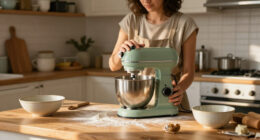
KitchenAid Artisan 5-Quart Tilt-Head Stand Mixer, Almond Cream

KitchenAid Classic Series 4.5-Quart Tilt-Head Stand Mixer, Onyx Black

KitchenAid 5.5-Qt Bowl-Lift Stand Mixer, Porcelain White (KSM55SXXX)
As an affiliate, we earn on qualifying purchases.
Seven Categories to Reconsider
Apartment Therapy frames its list around the experience of a decluttering project that grows from one box into several. It notes that books are often among the first possessions people give away, particularly when they are moving or clearing shelves. The source’s design experts suggest deciding which books have personal, decorative or researchable value before donating an entire collection.
The other examples span different reasons to keep something: sentiment, craftsmanship, possible reuse and family history. Bass says a few meaningful figurines may be enough; Kittredge emphasizes the handmade quality of quilts and the versatility of dishes; Medicus points to souvenirs and family objects as material for a personal display. These are individual design perspectives. They do not establish that every inherited object should be retained, and the supplied article does not provide a separate detailed recommendation for every item in its headline count.
“These books often make for fabulous styling pieces either as a coffee table accent, a book wall, or even on your dining room table.”
— Sara McDaniel, designer and vintage seller at Simply Southern Cottage
Value Depends on Each Object
The source does not identify specific books, dishes, quilts or collectibles that have been independently appraised, and it gives no prices or resale-value estimates. Whether an object is rare or valuable depends on details such as its maker, age, condition and demand, which the article does not assess. Its design recommendations are opinions from the named experts, not universal rules.
The supplied material also does not provide a complete, clearly separated explanation of all seven categories named in the headline. It details the categories described above, including frameable family memorabilia within the discussion of mementos, but does not establish an exhaustive inventory beyond that text. Readers should review the original report for its full presentation and assess their own storage, space and attachment to each item.
Check Before Donating
The report does not announce a follow-up, scheduled event or next milestone. For anyone currently clearing out a home, a practical next step is to set aside objects with family connections, unusual craftsmanship or possible age-related value rather than donating them in the first pass. Check book editions and maker marks, and seek a qualified appraisal if a piece appears potentially valuable; the article itself does not provide appraisal services.
For items kept mainly for sentimental reasons, the experts’ comments support choosing a manageable number and deciding how they might be displayed or used. Other belongings can still be donated when they are unwanted and safe to pass along. The article’s point is to make that choice deliberately, before a donation becomes difficult to undo.
Key Questions
Which belongings does the Apartment Therapy report suggest reconsidering before donating?
It discusses vintage books, sentimental collectibles, antique quilts, old dishes, family knickknacks, travel souvenirs and personal memorabilia. Its advice is to assess items individually, not to keep every object in those categories.
Does the report say old books are valuable?
No. Sara McDaniel says some books may be rare first editions, but the report does not appraise particular titles or claim that old books are generally valuable. Check a book’s edition and condition before drawing conclusions about its worth.
Should people keep every inherited collectible or souvenir?
No. Kylie Bass recommends keeping a few collectibles with sentimental value, while Laura Medicus offers ideas for displaying personal mementos. The recommendations leave the decision to the owner and do not call for retaining entire collections.
Can old dishes and quilts be reused?
The experts describe possible uses: Ann Couser Kittredge suggests using quilts as throws, bed coverings or tablecloths, and says dishes can be displayed or repurposed. Those are examples, not a guarantee that every piece is suitable for every use.
Does the article provide appraisals or resale estimates?
No. The supplied report offers design and organizing advice, not formal appraisals or price estimates. Anyone concerned that an item may be valuable would need to seek a separate assessment.
Source: apartmenttherapy.com