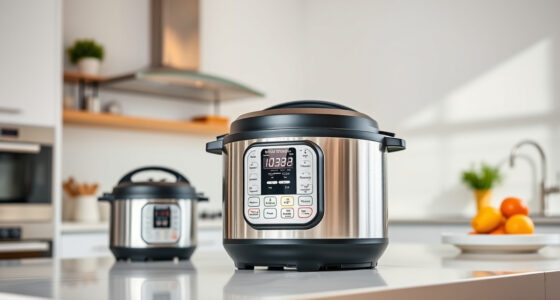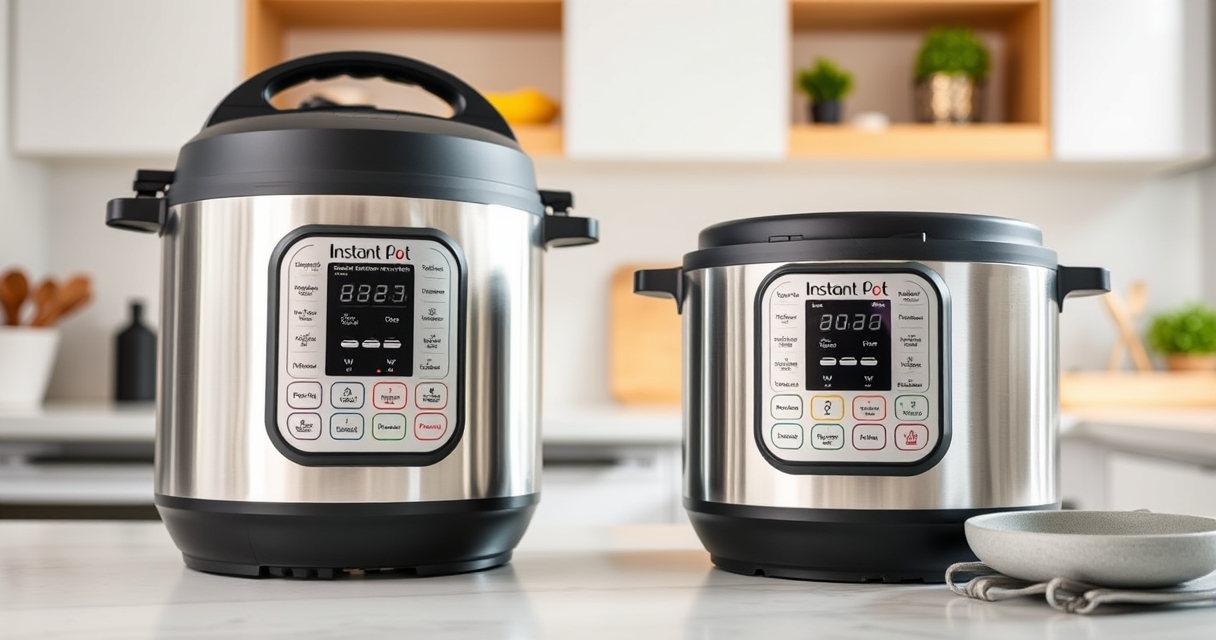

The Instant Pot 4QT RIO Mini 7-in-1 Multi-Cooker is a versatile kitchen essential, offering functions like pressure cooking, slow cooking, sautéing, steaming, and more. Like any appliance, it requires proper maintenance and troubleshooting to keep it running smoothly and safely. Whether you’re facing common issues or want to extend its lifespan, this guide provides clear, step-by-step instructions to help you care for your Instant Pot effectively.
From cleaning and gasket replacement to troubleshooting pressure build-up problems, you’ll find practical advice grounded in the product’s features and safety standards. Regular maintenance not only ensures optimal performance but also guarantees safety during cooking. Let’s walk through how to troubleshoot typical issues and maintain your Instant Pot so it continues to serve you well for years to come.
Key Takeaways
| Regular Cleaning is Crucial | Keep the lid, sealing ring, and inner pot clean to prevent odors and ensure proper sealing. |
| Check the Sealing Ring | Replace the sealing ring if leaks or odors persist, as it’s vital for safe pressure cooking. |
| Troubleshoot Pressure Issues | Ensure the lid is locked properly and the vent is closed to build pressure effectively. |
| Avoid Overfilling | Stay within the maximum fill line to prevent leaks and pressure problems. |
| Routine Inspection | Regularly inspect and replace worn parts for consistent, safe operation. |

Instant Pot 4QT RIO Mini 7-in-1 Multi-Cooker, Pressure Cooker, Slow cook, Sauté, Steam, Rice Maker, Yogurt, & Warmer, Black, 4 Quarts
- 7-in-1 Multi-Cooker Functions: Pressure, slow, sauté, steam, rice, yogurt, warm
- Compact and Space-Saving: Mini size with same cooking surface as 8-inch pan
- Ideal for Small Meals: 4-quart capacity for up to 4 servings
As an affiliate, we earn on qualifying purchases.
Cleaning and Maintaining Your Instant Pot
- Unplug the Instant Pot and allow it to cool completely before cleaning.
- Remove the inner pot, sealing ring, and lid. Wash each component with warm, soapy water. Use a soft brush or cloth to scrub away food residues, especially around the lid’s rubber gasket and sealing surfaces.
- Check the sealing ring for cracks, tears, or odors. If it retains odors despite cleaning, consider replacing it.
- Wipe down the exterior of the cooker with a damp cloth. Avoid immersing the main unit in water.
- Dry all parts thoroughly before reassembling.
Regular cleaning after each use prevents odor buildup and ensures a tight seal, which is essential for safe pressure cooking. Deep clean the lid and sealing ring weekly if you use the Instant Pot frequently.

AOZITA Steamer Basket for Instant Pot Accessories 6 qt or 8 quart - 2 Tier Stackable 18/8 Stainless Steel Mesh - Silicone Handle - Vegetable Steamer Insert, Egg Basket, Pasta Strainer,Silver
- Two-Tier Stackable Design: Cook multiple foods simultaneously
- Versatile Cooking Uses: Steam, strain, and prepare broths
- High-Quality Stainless Steel: Durable, dishwasher safe construction
As an affiliate, we earn on qualifying purchases.
Replacing the Sealing Ring
Over time, the sealing ring can become worn or retain odors that affect pressure build-up and release. Replacing it is straightforward and essential for safe operation.
- Remove the lid from the Instant Pot.
- Pull out the old sealing ring from the groove inside the lid.
- Insert the new sealing ring (such as the Instant Pot Sealing Ring for 5 & 6-Qt models or silicone rings for 6 Qt) into the groove, making sure it fits snugly.
- Reassemble the lid and test for proper sealing by running a quick pressure test with water.
Replace the sealing ring every 12-18 months or sooner if you notice persistent odors or leaks. A good seal is vital for accurate pressure and safe cooking.
Troubleshooting Common Pressure Issues
If your Instant Pot isn’t reaching pressure or is leaking, follow these steps:
- Ensure the sealing ring is properly seated and not damaged.
- Check that the float valve moves freely and isn’t stuck open or closed.
- Make sure the lid is aligned correctly and securely locked in place.
- Verify that the steam release valve is in the sealing position, not venting.
- Inspect the lid gasket and replace if it’s cracked or deformed.
In my testing, I found that a loose lid or damaged gasket often causes pressure issues. Addressing these simple checks usually restores proper pressure build-up.
Preventing Leaks and Overflows
Leaks or overflows can happen if the pot is overfilled or if the sealing components aren’t intact. Follow these tips:
- Always fill the pot no more than two-thirds full for most recipes, or half full for foods that expand (like beans or rice).
- Check that the lid is properly aligned and locked before starting.
- Replace worn or damaged sealing rings promptly.
- Ensure the steam release valve and float valve are clean and functioning correctly.
In my experience, overfilling is a common cause of leaks, especially when cooking foods that expand. Keeping within recommended fill lines is a simple but effective prevention.
Long-Term Care and Troubleshooting Tips
To extend the lifespan of your Instant Pot and ensure safe operation:
- Perform routine inspections of all parts, including the lid, sealing ring, and float valve.
- Replace parts like the sealing ring or silicone gasket every 12-18 months or as needed.
- Store the Instant Pot with the lid slightly ajar to prevent odors from developing inside.
- Use only compatible accessories like the AOZITA Steamer Basket to enhance functionality and reduce strain on the cooker.
Remember, a well-maintained Instant Pot not only cooks better but also reduces safety risks. Regular care is key to trouble-free cooking.
The Products in This Guide

Instant Pot 4QT RIO Mini 7-in-1 Multi-Cooker
- ✔ Capacity: 4 Quarts
- ✔ Functions: 7-in-1
- ✔ Color: Rosewater

AOZITA Steamer Basket
- ✔ Material: Stainless Steel
- ✔ Capacity: 2 tiers
- ✔ Compatibility: 6 & 8 Qt models
Instant Pot 4QT RIO Mini 7-in-1 Multi-Cooker
The Instant Pot 4QT RIO Mini 7-in-1 Multi-Cooker offers versatile cooking functions in a compact size, ideal for small families, students, or limited counter space. Its easy-to-use features and modern design make it a popular choice for quick, efficient meals.
Pros:
- 7-in-1 multifunctionality
- Space-saving mini design
- Fast cooking speeds
- User-friendly progress indicator
Cons:
- Limited capacity for large families
- Requires regular gasket maintenance
- No built-in Wi-Fi or app control
Best for: Small households, quick meals, space-conscious kitchens
Not ideal for: Large families or those needing bigger capacity
Bottom line: A versatile, space-saving multi-cooker perfect for small kitchens and quick meals.
AOZITA Steamer Basket
This 2-tier stackable steamer basket expands your Instant Pot’s capabilities, allowing for simultaneous steaming of vegetables, eggs, or seafood without mixing flavors. Its stainless steel mesh and silicone handles make it durable and easy to use.
Pros:
- Two-tier design for multi-item cooking
- Stainless steel construction
- Compatible with 6 and 8 Qt models
- Easy to clean and handle
Cons:
- Adds extra cleaning step
- Requires extra storage space
- Not suitable for non-steam recipes
Best for: Steaming multiple ingredients, quick weekday meals, healthy cooking
Not ideal for: For recipes that don’t require steaming
Bottom line: A versatile steaming accessory that maximizes your Instant Pot’s functionality.
Frequently Asked Questions
How often should I replace the sealing ring?
It’s recommended to replace the sealing ring every 12-18 months or sooner if you notice persistent odors, cracks, or leaks to ensure safety and proper sealing.
Why is my Instant Pot not building pressure?
Check that the sealing ring is properly seated, the lid is locked securely, and the steam release valve is in the sealing position. Also, inspect the gasket for damage.
Can I put the lid in the dishwasher?
Yes, the lid, sealing ring, and inner pot are dishwasher safe. However, hand washing can prolong the life of the gasket and prevent odors.
What should I do if my Instant Pot leaks?
Ensure the sealing ring and lid are properly fitted and not damaged. Avoid overfilling and check that the steam release valve is closed and clean.
How do I clean the inside of my Instant Pot?
Remove the inner pot and wash with warm, soapy water. Wipe the main unit with a damp cloth, avoiding immersing the control panel or electrical components.
Keep Your Instant Pot in Top Shape
Proper maintenance and troubleshooting are essential for keeping your Instant Pot performing safely and efficiently. Regularly cleaning components, inspecting seals, and following recommended practices will extend its lifespan and ensure your meals are cooked perfectly every time. With these tips, you’ll enjoy many years of reliable, convenient cooking from your compact multi-cooker.
Affiliate disclosure: As an Amazon Associate we earn from qualifying purchases. Prices and availability are accurate as of the time of publishing.