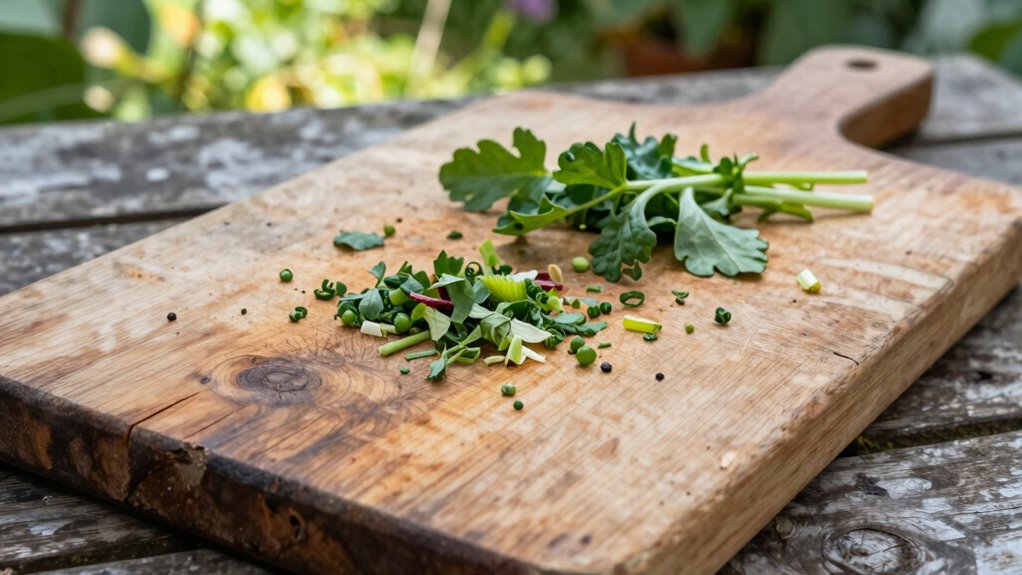

Outdoor cutting boards face more dirt, moisture, and weather exposure, so you need to clean them more often with hot water, soap, or vinegar. They are often made from porous materials like bamboo or hardwood, which require sealing or oiling to prevent moisture absorption and cracking. Weather-resistant plastics need staying clean to prevent scratches and stains. Proper storage and maintenance help them last longer, and you’ll discover more ways to keep your outdoor board in top shape if you keep going.
Open a free Amazon Business account
Business pricing, bulk buying and tax-exempt orders.
As an affiliate, we earn on qualifying purchases.
Key Takeaways
- Outdoor boards are exposed to weather, dust, and insects, requiring more frequent cleaning and maintenance.
- Porous materials like bamboo and hardwoods need sealing to prevent moisture absorption and damage.
- Weather-resistant materials can withstand outdoor conditions but still need proper cleaning to avoid stains.
- Regular sealing, oiling, and sheltered storage prolong outdoor boards’ lifespan and prevent cracking.
- Outdoor boards require immediate cleaning of food residues to prevent bacteria growth and mold formation.

Outdoor cutting boards are a great addition to any backyard setup, but they require proper care to stay in top shape. Unlike indoor boards, outdoor ones are exposed to the elements, which means you need to pay extra attention to their cleaning frequency and material durability. You can’t just wipe them down occasionally and expect them to last; outdoor boards need more consistent maintenance to prevent damage from dirt, moisture, and UV rays.
Because outdoor cutting boards are often left outside or used in environments where they’re exposed to dust, insects, and weather fluctuations, you should clean them more frequently than indoor boards. After each use, it’s a good idea to scrub off food residues with hot water and a brush. For tougher stains or bacteria, use a mild soap or a vinegar solution. Regular cleaning not only keeps your outdoor board sanitary but also helps prevent the buildup of mold or bacteria that can thrive in damp conditions. If you notice any cracks or deep grooves, clean these thoroughly to avoid trapping bacteria, as these imperfections can quickly become breeding grounds if neglected. Proper maintenance routines are essential for ensuring your outdoor board remains safe and functional over time. Additionally, paying attention to material characteristics can help you choose the best care practices for your specific outdoor board.
Clean outdoor cutting boards frequently with hot water, brush, and mild soap or vinegar to prevent mold and bacteria buildup.
Material durability plays a vital role in how you care for your outdoor cutting board. Many outdoor boards are made from tougher materials like bamboo, hardwoods, or composite plastics, which are designed to withstand the elements better than standard indoor boards. However, each material has its own care requirements. For example, bamboo and hardwoods are porous and can absorb moisture if not properly sealed, making them more susceptible to cracking or warping when exposed to rain or humidity. To combat this, you should oil or seal your wooden outdoor board regularly to maintain its resistance to moisture and UV damage. Additionally, choosing weather-resistant materials can help prolong the life of your outdoor board and reduce maintenance needs. Plastic composite boards are generally more resistant to weather, but they can develop scratches or stains over time, so gentle cleaning and avoiding harsh abrasives are key.
In addition to cleaning, storing your outdoor cutting board properly is essential. Keep it dry and sheltered when not in use, especially during rain or extreme sunlight. Applying food-grade sealants or oils periodically not only prolongs its lifespan but also enhances its resistance to the outdoor elements. Understanding the importance of material maintenance can significantly extend the life of your outdoor board. Remember, your outdoor cutting board isn’t just an extension of your kitchen — it’s an investment in outdoor living, so giving it the right care guarantees it stays functional, safe, and looking good for years to come.
outdoor cutting board with oil seal
As an affiliate, we earn on qualifying purchases.
As an affiliate, we earn on qualifying purchases.
Frequently Asked Questions
Can Outdoor Cutting Boards Be Used for Hot Foods?
Yes, outdoor cutting boards can be used for hot foods if they have good heat resistance. You need to take into account heat resistance because some materials may warp or crack under high temperatures, impacting food safety. For outdoor use, choose boards made from durable, heat-resistant materials like certain plastics or treated wood. Always check the manufacturer’s guidelines to ensure the board is safe for hot foods, protecting both the board and your health.
How Often Should I Replace My Outdoor Cutting Board?
You should replace your outdoor cutting board when it shows significant signs of wear, deep cuts, or persistent stains, which compromise hygiene and safety. Regular maintenance tips, like thorough cleaning and drying, help extend its life. Consider the material’s durability—like bamboo or plastic—when deciding. If it’s become cracked or warped despite proper care, it’s time for a replacement to guarantee safe food prep and prevent bacterial buildup.
Is It Safe to Use Outdoor Cutting Boards for Raw Meat?
Using outdoor cutting boards for raw meat isn’t entirely safe. Bacterial contamination risks increase if you don’t thoroughly clean and disinfect them after each use. Outdoor boards often face more moisture and dirt, which can compromise material durability and harbor pathogens. For safety, reserve outdoor boards for vegetables or cooked foods, and use dedicated, sanitized indoor boards for raw meat to prevent cross-contamination and guarantee your health.
Can Outdoor Cutting Boards Be Recycled?
Yes, outdoor cutting boards can be recycled, but it depends on local recycling regulations. Check your area’s recycling guidelines to see if they accept materials like wood or plastic, which are common for outdoor boards. Recycling helps reduce environmental impact, but some boards may need special disposal methods if they’re heavily contaminated with food or bacteria. Always clean your board thoroughly before recycling to guarantee safety and compliance.
Do Outdoor Cutting Boards Require Special Storage?
You bet outdoor cutting boards need special storage. Think of it as giving them a safe haven; they require weather resistance and UV protection to stay in top shape. Store them in a shaded, dry spot when not in use, and consider a covered area to shield from rain, sun, and dirt. Proper storage stops weather from taking a toll, keeping your board durable and ready for your next outdoor feast.
weather-resistant plastic cutting board
As an affiliate, we earn on qualifying purchases.
As an affiliate, we earn on qualifying purchases.
Conclusion
Remember, outdoor cutting boards require special care to keep them in top shape. They face more exposure to the elements, so regular cleaning, drying, and occasional resealing are your best allies. Think of it as giving your board a little extra TLC—because if you don’t, it’ll wear out faster than you can say “take it for granted.” By staying attentive, you’ll guarantee your outdoor board stays sturdy and ready for whatever you throw at it.
As an affiliate, we earn on qualifying purchases.
As an affiliate, we earn on qualifying purchases.
NFL season / tailgating Picks
team gear
As an affiliate, we earn on qualifying purchases.