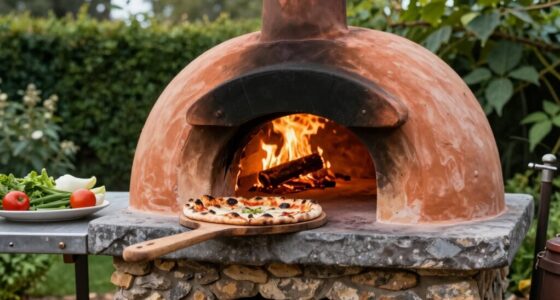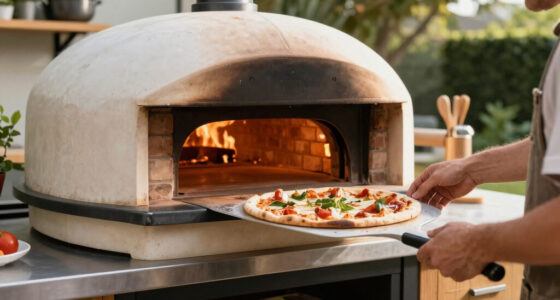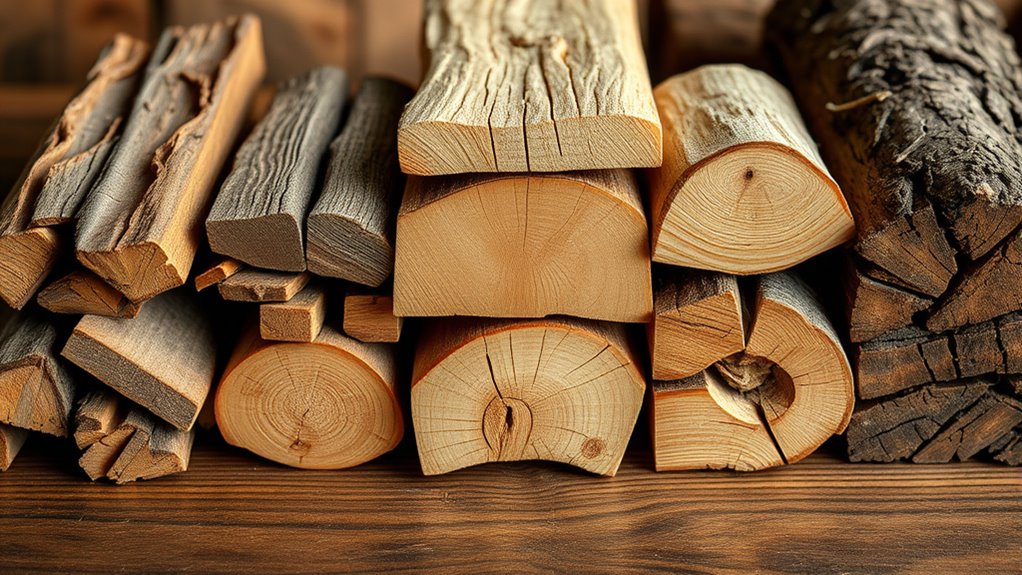

For your pizza oven, the top wood choices are Hard Maple, Hickory, Cherry, and Pecan. Hard Maple burns hot, clean, and provides steady heat, perfect for high-temperature cooking. Hickory adds a bold smoky flavor and long-lasting fire, enhancing taste. Cherry offers subtle sweetness and stable burn, while Pecan delivers aroma and reliable performance. Keep exploring to find out which wood best matches your style and makes your pizzas irresistibly flavorful.
Key Takeaways
- Hard Maple offers a clean, hot burn with minimal smoke, ideal for consistent pizza cooking.
- Hickory provides a bold smoky flavor that enhances the taste of your pizzas.
- Cherry infuses a subtle sweetness and fruity aroma, balancing flavor and burn stability.
- Pecan delivers a gentle nutty aroma, steady heat, and long-lasting fires for reliable cooking sessions.
- All four woods support optimal pizza oven performance, each adding unique flavor and burn characteristics.
hard maple firewood for pizza oven
As an affiliate, we earn on qualifying purchases.
As an affiliate, we earn on qualifying purchases.
Hard Maple
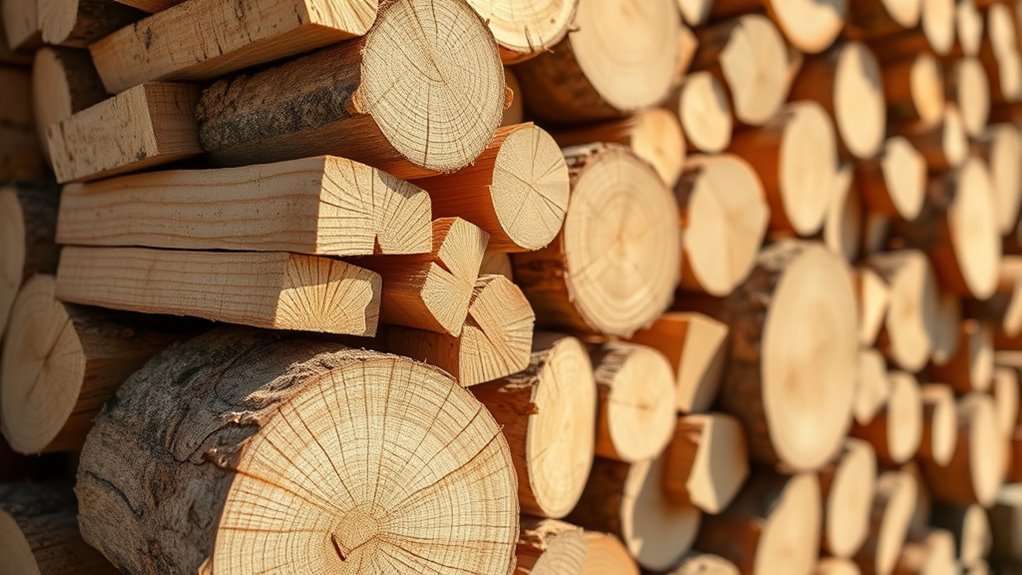
Hard Maple is an excellent choice for pizza ovens because it burns hot and produces minimal smoke. Its steady burn rate ensures consistent heat, helping you cook perfect pizzas every time. When using hard maple, you’ll notice a subtle sweetness that enhances the flavor of your crust and toppings through flavor enhancement. Its dense wood burns slowly, giving you longer cooking sessions without frequent refueling. Plus, the minimal smoke output means fewer residues on your pizza and cleaner operation overall. Hard maple’s clean burn and reliable heat make it ideal for maintaining the high temperatures needed for authentic pizza styles. If you want a wood that combines flavor improvement with a predictable burn rate, hard maple is a smart option for your pizza oven.
hickory wood chunks for smoking pizza
As an affiliate, we earn on qualifying purchases.
As an affiliate, we earn on qualifying purchases.
Hickory
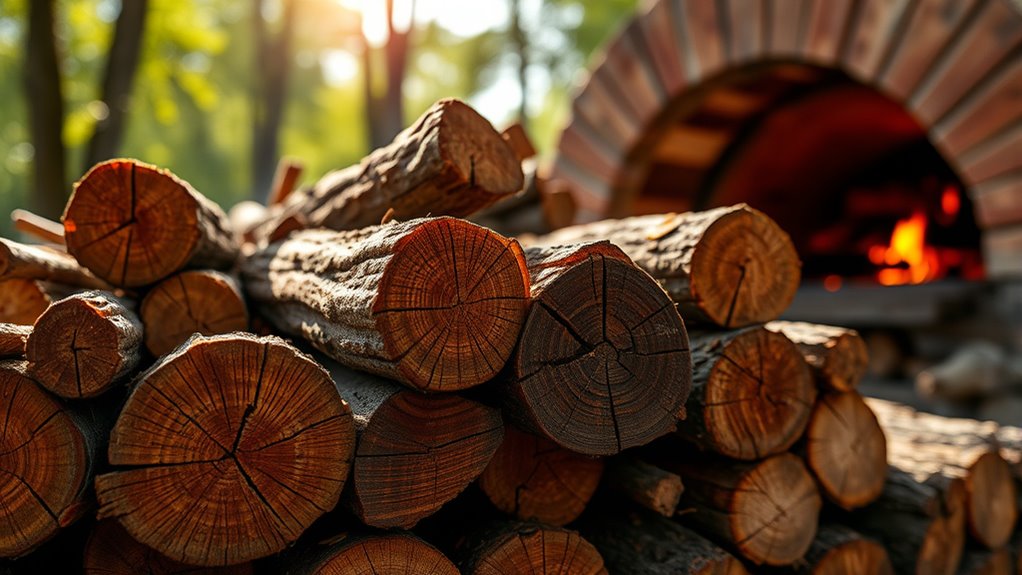
Hickory is a popular choice for pizza ovens because it burns hot and imparts a distinctive smoky flavor to your pies. Its combustion efficiency guarantees a steady, long-lasting fire, giving you consistent heat for perfect crusts. The flavor enhancement from hickory adds a bold, smoky depth that elevates your pizza experience. When using hickory, you’ll notice:
Hickory burns hot, provides steady heat, and adds a bold smoky flavor to elevate your pizza experience.
- A rich, hearty aroma that fills your kitchen
- Intense, smoky notes that complement toppings
- Efficient burning that minimizes wood waste
This wood’s robust combustion makes it ideal for high-heat cooking, while the flavor enhancement deepens the taste profile of your pizza. Just keep in mind that hickory’s strong smoky influence suits those who enjoy a smoky flavor without overpowering the other ingredients.
cherry wood for outdoor pizza oven
As an affiliate, we earn on qualifying purchases.
As an affiliate, we earn on qualifying purchases.
Cherry
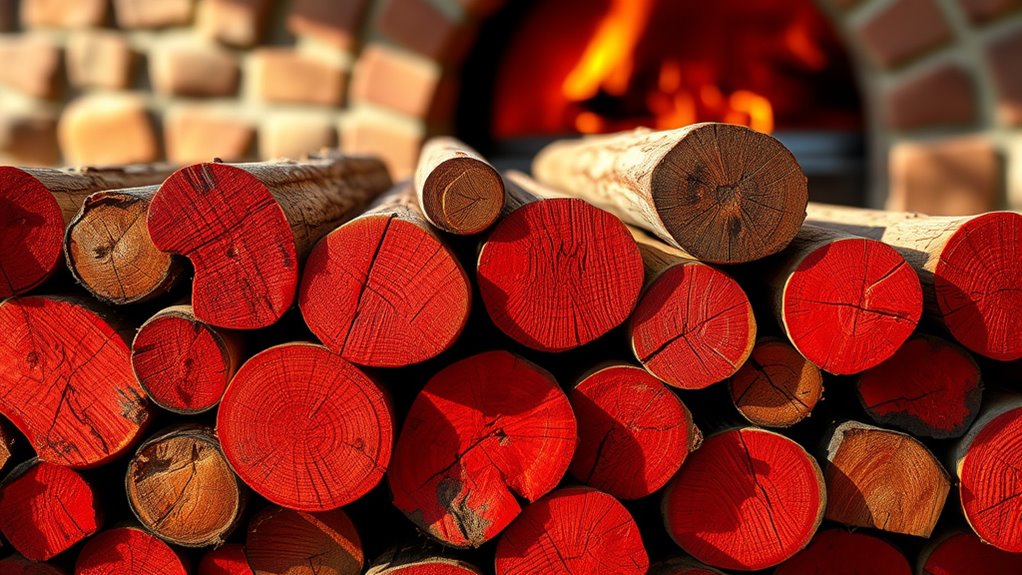
Have you considered using cherry wood for your pizza oven? Cherry enhances flavor, adding a subtle sweetness that complements your pizza’s toppings. Its aroma infuses the crust with a pleasant, fruity scent, elevating the overall taste. Cherry burns steadily, offering a consistent burn duration that helps maintain stable heat levels during cooking. This makes it ideal for those who want reliable, flavorful fires without frequent reloading. Additionally, cherry wood produces minimal creosote, reducing buildup and making cleanup easier. Its moderate burn duration ensures you won’t need to constantly tend the fire, giving you more control over your cooking process. Overall, cherry is an excellent choice if you’re after flavor enhancement and dependable burn performance for your pizza oven.
pecan wood firewood for grilling
As an affiliate, we earn on qualifying purchases.
As an affiliate, we earn on qualifying purchases.
Pecan
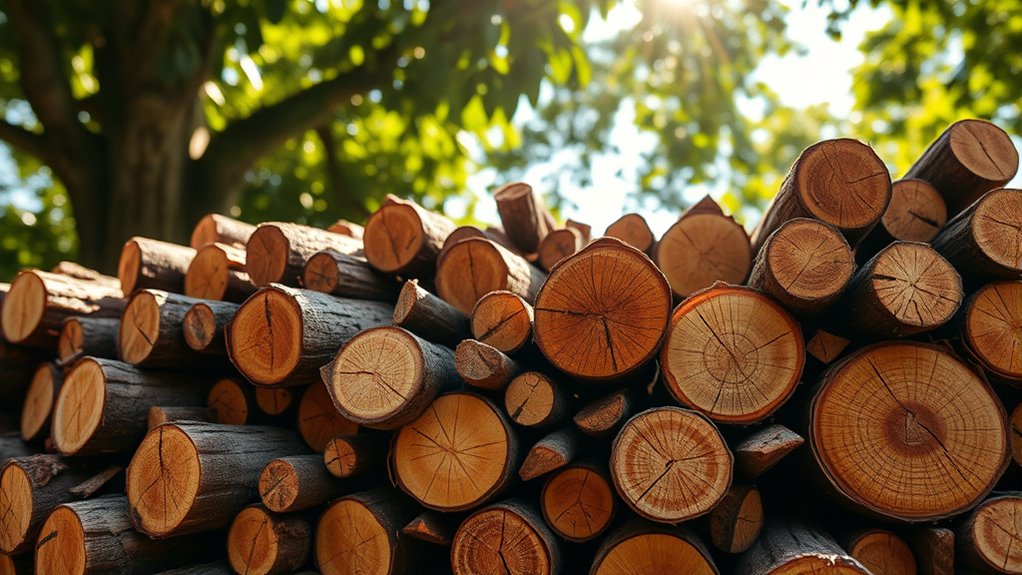
Ever considered using pecan wood for your pizza oven? Pecan offers a rich, subtle sweetness that enhances your pizza’s flavor without overpowering it. Its burning characteristics allow for steady, long-lasting fires, making it ideal for consistent heat. When burning, pecan produces minimal smoke and sparks, creating a cleaner cooking environment. Visualize a gentle orange glow from the fire, with aromatic wisps of nutty scent filling the air. You might see:
- A steady, even flame that maintains temperature
- Glowing embers that last through multiple pizzas
- Mild smoke that enhances flavor but keeps the air clean
Pecan’s unique combination of flavor enhancement and reliable burning makes it a versatile choice for wood-fired pizza ovens, adding both aroma and a consistent heat source.
Frequently Asked Questions
How Does Wood Moisture Content Affect Pizza Oven Performance?
Wood moisture content markedly impacts your pizza oven’s performance. If the wood isn’t properly seasoned, with controlled moisture levels, it burns inefficiently, producing excess smoke and uneven heat. Proper wood seasoning reduces moisture content, ensuring consistent, hot fires. By practicing moisture control, you’ll get better heat retention, faster cooking times, and a cleaner burn, all of which enhance your pizza-making experience and the quality of your finished pies.
Can I Mix Different Types of Wood for Optimal Burning?
You can definitely mix different types of wood for ideal burning, and wood blending offers great flavor enhancement for your pizza. Combining hardwoods like oak with fruitwoods such as apple or cherry creates a balanced fire that burns efficiently and adds unique smoky flavors. Just make certain the woods have similar moisture levels, so the fire stays steady, and you’re delivering a delicious, well-flavored pizza every time.
What Are the Environmental Impacts of Using Various Woods?
Using sustainably sourced woods reduces your environmental impact and minimizes your carbon footprint. Hardwoods like oak or fruitwoods are eco-friendlier when harvested responsibly because they grow slowly and sequester more carbon. Avoid exotic or non-native woods, as they often come from unsustainable sources and can harm ecosystems. By choosing sustainably sourced, local woods, you help preserve forests, promote eco-friendly practices, and enjoy a greener pizza baking experience.
How Often Should I Replace or Reseason My Pizza Oven Wood?
You should replace or reseason your pizza oven wood whenever it becomes damp, moldy, or starts to crack, typically every few seasons. Proper wood storage in a dry, ventilated area helps maintain seasoning duration, guaranteeing the wood burns efficiently. Regularly check your wood for moisture content; if it’s above 20%, reseason or replace it to keep your oven performing well. Consistent upkeep ensures ideal heat and flavor in your pizzas.
Are There Any Safety Concerns With Burning Certain Types of Wood?
You should be aware that burning unseasoned or improperly stored wood can release harmful chemicals and creosote, increasing fire risks. Always use well-seasoned wood, which has been properly dried and stored in a dry, ventilated area. Avoid burning green, wet, or resinous wood like pine or cedar, as they produce excessive smoke and creosote buildup. Proper wood seasoning and storage help guarantee safe, efficient burning in your pizza oven.
Conclusion
So, now that you know the top woods for your pizza oven, you’re practically a firewood guru! Pick the perfect wood, and you’ll have flames that dance like they’re auditioning for a ballet, infuse your pizza with flavors so divine they’ll make your taste buds do cartwheels, and create a cooking experience that’s truly legendary. Get ready to impress everyone with your fiery skills—your pizza game just went from good to so insanely awesome, it’s almost unfair!