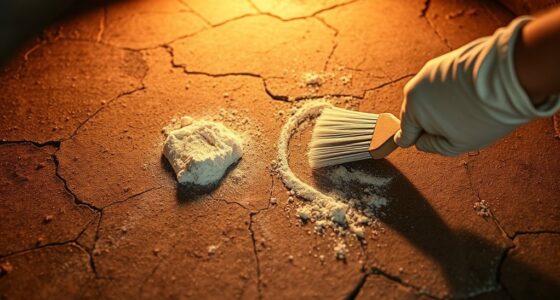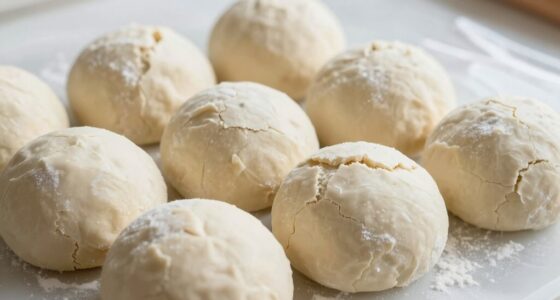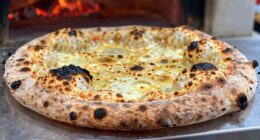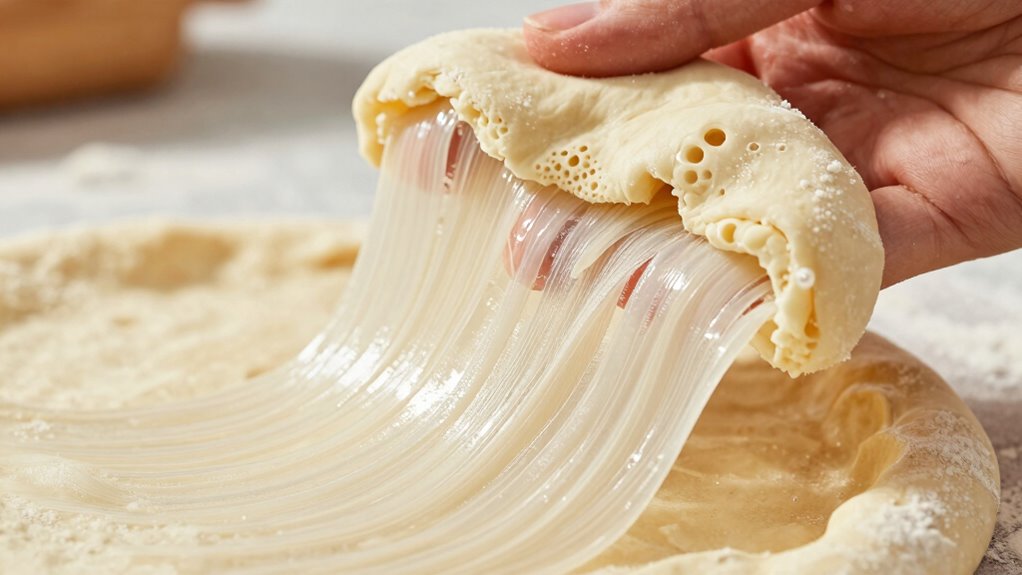
Your pizza dough tears during stretching mainly because the gluten isn’t fully developed or relaxed. If you didn’t knead it enough, gluten strands stay weak and brittle, causing tears. Insufficient fermentation also leaves the dough stiff and less elastic. Cold or dry conditions hinder gluten formation, and rushing the process prevents the dough from relaxing properly. To avoid tears, it’s important to understand how gluten, fermentation, and handling all influence dough elasticity—keep exploring for more tips.
Key Takeaways
- Insufficient gluten development causes weak dough structure, leading to tearing when stretched.
- Under-fermented dough lacks adequate gas, reducing elasticity and increasing tearing risk.
- Improper kneading prevents proper gluten bonding, weakening dough resilience.
- Cold or dry conditions hinder gluten formation and relaxation, making dough more prone to tearing.
- Rushing fermentation or skipping resting periods reduces dough extensibility and elasticity.
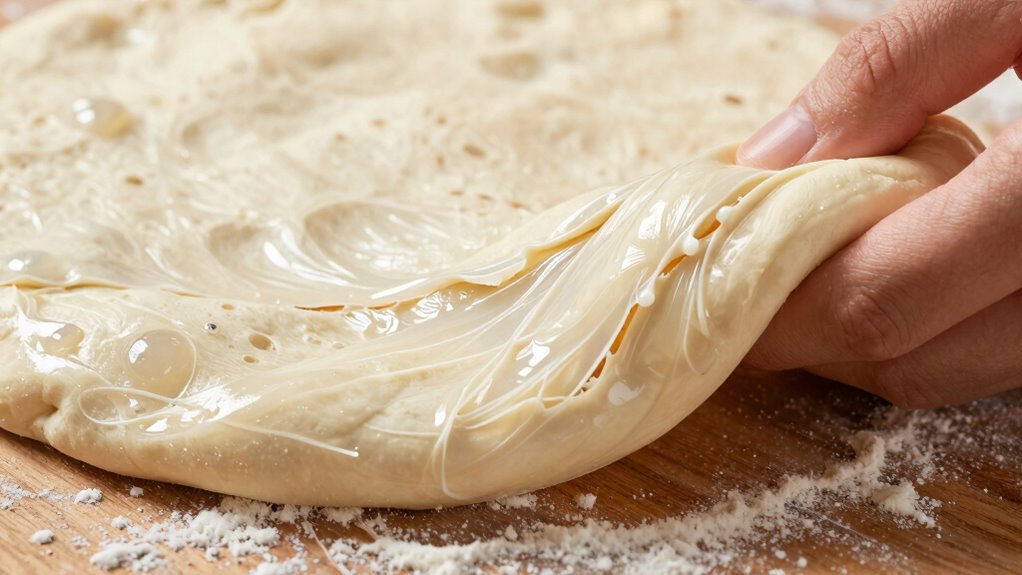
When you stretch pizza dough and it tears unexpectedly, it can be frustrating, but the real reason often lies in the dough’s gluten development. Understanding how gluten forms and how yeast fermentation influences this process can help you achieve a stretchable, resilient dough. Gluten development is crucial because it creates the elastic network that allows the dough to stretch without ripping. If this network isn’t strong enough, tearing becomes almost inevitable. Yeast fermentation plays a key role here: it produces carbon dioxide, which relaxes the gluten strands and creates the airy structure you want in your crust. Proper fermentation gives the dough enough time to develop flavor and gluten, making it easier to handle during stretching.
Weak gluten development causes dough tears; proper fermentation and kneading create elasticity for perfect pizza crust.
If your dough tears easily, it’s likely because it hasn’t undergone sufficient gluten development. This can happen if you didn’t knead the dough long enough or if the dough wasn’t given enough time to ferment. During kneading, you activate gluten proteins, which bond and form a stretchy network. Without this process, the dough remains weak and fragile. Yeast fermentation, which happens as the dough rests, further strengthens this network. As yeast ferments, it produces gases that expand the dough and loosen the gluten structure, making it more pliable. If the dough is under-fermented, it lacks this gas buildup, resulting in a dough that’s too tight and prone to tearing when stretched.
Temperature and hydration levels also influence gluten development. If your dough is too cold or too dry, gluten strands won’t form or relax properly. That’s why many bakers recommend letting the dough ferment at room temperature and ensuring it has enough water to hydrate the flour fully. Hydration is especially important because it allows gluten proteins to absorb water and bond more effectively. If you’re rushing the process and skipping proper fermentation, the gluten network won’t be as strong or elastic, leading to tears during stretching. Additionally, maintaining optimal hydration levels can significantly improve gluten elasticity and dough resilience. Ensuring proper dough handling techniques can also help prevent tearing, especially for beginner bakers. Proper kneading techniques can further enhance gluten development and dough strength.
Furthermore, incorporating resting periods during kneading can help develop a more extensible gluten network, reducing the likelihood of tears. Giving your dough adequate time to ferment and relax is essential for optimal elasticity, especially if you want a thin, crispy crust. When these elements come together, your dough becomes more elastic and easier to stretch, significantly reducing the chances of tearing. Remember, a well-fermented dough with strong gluten development is the foundation for perfectly stretchable, tear-free pizza crust.

Urban Slicer Pizza Worx – Gluten Free Pizza Dough and Pizza Sauce – At-Home Pizza Making Kit for Perfected Gluten Free Pizza – Makes 2 Pizzas
GLUTEN FREE AND AMAZING: Finally, a simple way to make gluten-free pizzas that actually bake into thick, fluffy…
As an affiliate, we earn on qualifying purchases.
As an affiliate, we earn on qualifying purchases.
Frequently Asked Questions
How Can I Prevent Dough From Tearing While Stretching?
To prevent dough from tearing, make sure it’s well-hydrated and rested before stretching. Gently handle it, avoiding overstretching, and use your hands instead of a rolling pin for better control. Incorporate alternative toppings carefully, as heavy toppings can cause tears. Also, bake at the right temperature to help the dough set properly, reducing stress during stretching. Proper technique and patience are key to achieving a perfect, tear-free crust.
Does Dough Hydration Level Affect Tearing?
Like a finely tuned orchestra, dough hydration levels greatly influence tearing. Higher hydration makes the dough pliable, reducing tears and enhancing flavor and nutritional benefits, much like a well-balanced symphony. Conversely, low hydration can cause stiffness and tearing, diminishing these qualities. To prevent tearing, aim for the ideal hydration—around 60-65%—which allows for easy stretching and preserves the dough’s flavor and nutritional value, ensuring a delicious, healthy pizza.
What Role Does Gluten Development Play in Dough Elasticity?
Gluten development is key to dough elasticity because it forms a strong gluten network that allows the dough to stretch without tearing. When you knead, you’re strengthening this network, which improves flexibility. Proper gluten development creates a resilient dough that can handle stretching, preventing tears. If the gluten isn’t well-developed, the dough remains weak and fragile, making tears more likely during the stretching process.
How Does Resting Time Impact Dough Tearing?
Imagine you’re making pizza dough, and after resting, it stretches easily without tearing. Resting time greatly boosts dough elasticity because it allows yeast activity to produce gases, relaxing gluten networks. For example, a short rest might cause tearing, but a well-rested dough becomes more pliable and resilient. Proper resting ensures gluten strands loosen, reducing tears during stretching, making your dough easier to shape and delivering a better pizza experience.
Are There Specific Ingredients That Weaken Dough Structure?
Certain ingredients can weaken your dough’s structure, making it more prone to tearing. For example, excess sugar or fat can interfere with gluten development, reducing elasticity. Low-quality yeast activity may also hinder dough strength, impacting both stretchability and dough flavor. To prevent tearing, use high-quality ingredients, balance the yeast and sugar, and guarantee proper kneading to develop a strong gluten network, resulting in a better stretch and flavor.

Orblue Pizza Dough Docker Pastry Roller with Spikes, Pizza Docking Tool for Home & Commercial Kitchen – Pizza Making Accessories that Prevent Dough from Blistering, Black
Perfect Dough, Perfect Pizza – Even first-time bakers can use this pizza dough roller. Press and roll over…
As an affiliate, we earn on qualifying purchases.
As an affiliate, we earn on qualifying purchases.
Conclusion
So, next time your pizza dough tears, remember it’s often due to insufficient gluten development or improper handling, not just bad dough. With a little patience and practice, you can achieve perfectly stretchable dough every time. Did you know that gluten strength can improve with just 10 minutes of resting time? That small step can make a huge difference, giving you a smoother stretch and a better pizza overall. Keep experimenting, and enjoy your homemade pies!

Joydeem Electric Dough Maker with Ferment Function, Microcomputer Timing, Face-up Touch Panel, 7.4Qt, 304 Stainless Steel, JD-HMJ7L
Smart & Useful: Dough maker machine is controlled by microcomputer, which allows for time presetting and intelligent selection…
As an affiliate, we earn on qualifying purchases.
As an affiliate, we earn on qualifying purchases.

Tree PIZA+ 25 NSF Certified Food Scale 25 LB x 0.005 LB Digital Portion Control Pizza Scale with Wireless IR Tare New
NSF Certified & Built to Last: The TREE PIZA+ 25 is a top-of-the-line food scale that exceeds expectations…
As an affiliate, we earn on qualifying purchases.
As an affiliate, we earn on qualifying purchases.