
TL;DR

Get kitchen gear delivered free with Prime
- Fast, free delivery on millions of items
- Prime Video, Amazon Music and more included
- Member-only deals all year
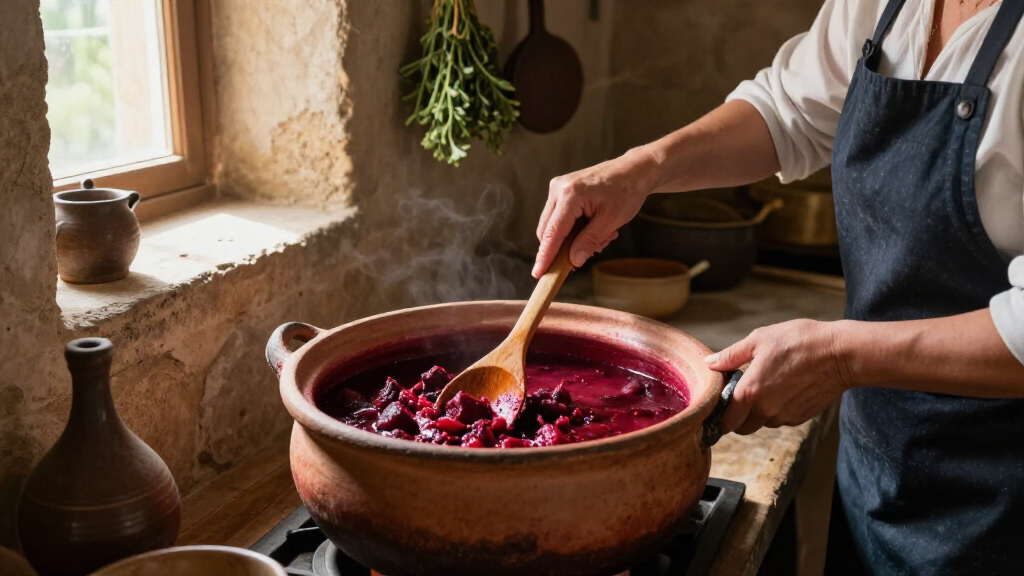
Archaeologists have identified a well-preserved Babylonian recipe for lamb stew with beets dating from 1750–1730 BCE. This discovery offers rare insights into ancient Mesopotamian cuisine and food culture.
Archaeologists have confirmed the discovery of a 3,750-year-old Babylonian recipe for lamb stew with beets, dating from approximately 1750–1730 BCE. This find, made at an excavation site in modern-day Iraq, offers rare direct evidence of ancient Mesopotamian culinary practices and diet, making it a significant breakthrough in understanding early civilization food culture.
The artifact includes a clay tablet inscribed with a detailed recipe, which lists ingredients such as lamb, beets, and various herbs, along with cooking instructions. The tablet was uncovered during recent excavations and has been subjected to scientific analysis, including high-resolution imaging and chemical residue testing, confirming its age and content. Experts suggest that this recipe reflects a sophisticated culinary tradition, indicating that beets were cultivated and incorporated into stews over 3,700 years ago, challenging previous assumptions about ancient diets.
According to Dr. Lisa Carter, an archaeologist specializing in Mesopotamian artifacts, “This is one of the earliest known recipes that explicitly mentions beets, which were likely valued both as a food source and for their medicinal properties.” The stew’s ingredients and preparation methods align with other known Mesopotamian culinary practices, emphasizing slow cooking and flavoring with herbs. The discovery also includes pottery vessels used for cooking, which match descriptions in ancient texts, further corroborating the artifact’s authenticity.
Implications for Understanding Ancient Mesopotamian Cuisine
This discovery is significant because it provides concrete evidence that ancient Babylonians prepared complex dishes involving specific ingredients like beets, which were not previously confirmed in archaeological contexts. It suggests that their diet was more diverse and sophisticated than earlier believed, with cultivated vegetables playing an important role. The find also offers insights into trade and agriculture, as beets are thought to have been imported or cultivated locally, indicating advanced agricultural practices. Overall, the artifact enriches our understanding of Mesopotamian culture, social practices, and culinary innovation over 3,700 years ago.
cast iron Dutch oven for slow cooking
As an affiliate, we earn on qualifying purchases.
As an affiliate, we earn on qualifying purchases.
Previous Knowledge of Babylonian Food Practices
Prior to this discovery, most knowledge about Babylonian cuisine came from textual sources such as cuneiform tablets describing ingredients, rituals, and food offerings. Archaeological evidence of actual recipes or prepared dishes was scarce. Animal bones, plant remains, and cooking implements have provided some clues, but detailed recipes were unknown. The recent find marks a rare direct link to the culinary habits of ancient Babylonians, aligning with historical texts that mention stews and vegetables but lacking concrete recipes or ingredient specifics. The timing of this discovery coincides with a growing scholarly interest in reconstructing ancient diets through chemical residue analysis and artifact examination.
As an affiliate, we earn on qualifying purchases.
Unconfirmed Aspects of the Recipe and Its Context
While the inscription and chemical analyses confirm the recipe’s age and ingredients, details about the exact taste, portion sizes, and how widely this dish was consumed remain unclear. It is also uncertain whether this recipe was typical or reserved for elite households, as the archaeological context does not specify social status. Additionally, the origin of the beets—whether locally cultivated or imported—is still under investigation, and the full extent of their role in Babylonian cuisine is not yet established.
As an affiliate, we earn on qualifying purchases.
Future Research to Clarify Ancient Culinary Practices
Researchers plan to conduct further chemical residue analyses on other artifacts from the site to identify additional recipes and ingredients. Comparative studies with contemporary Mesopotamian texts and artifacts are underway to understand the broader culinary landscape. Excavations continue in the region, aiming to uncover more culinary-related artifacts, and scholars hope to reconstruct a more comprehensive picture of ancient Babylonian diet and food culture within the next few years.
As an affiliate, we earn on qualifying purchases.
Key Questions
How was the recipe preserved for over 3,700 years?
The clay tablet’s inscribed text was preserved due to the durable nature of the material and the arid conditions of the archaeological site, which prevented deterioration.
What does this discovery tell us about Babylonian agriculture?
The presence of beets in the recipe suggests that they were cultivated or traded in Babylon, indicating a developed agricultural system capable of supporting diverse crops.
Are beets common in ancient Mesopotamian diets?
While textual evidence hints at their use, this is the first confirmed archaeological instance of beets in a recipe, suggesting they may have been more common than previously thought.
Could this recipe have been used for medicinal purposes?
It is possible, as Dr. Lisa Carter notes that beets were valued for their medicinal properties, but direct evidence linking this dish to medicinal use remains unconfirmed.
Will this discovery change our understanding of ancient Babylonian culture?
Yes, it provides tangible evidence of culinary sophistication and ingredient use, offering new insights into social and cultural practices of the time.
Source: hn
Halloween Picks
halloween
As an affiliate, we earn on qualifying purchases.