📊 Full opportunity report: Battuto And Soffritto: The Flavor Base Of Almost Everything Italian on Mad Tasting — validation score, market gap, and execution plan.
TL;DR
Battuto is a raw, finely chopped mixture of aromatics, while soffritto is that mixture after gentle cooking in fat. Understanding their distinction improves Italian cooking. This article explains how and why they matter.
Italian cuisine relies heavily on two foundational techniques: battuto and soffritto. While often used interchangeably in casual conversation, they actually refer to distinct stages in flavor building — from raw aromatic mixture to a tender, fragrant base supporting the final dish. Recognizing this difference can elevate home cooking and deepen understanding of traditional Italian recipes. Learn more about these foundational techniques in the original article.
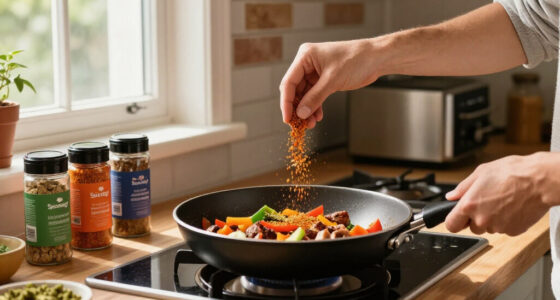
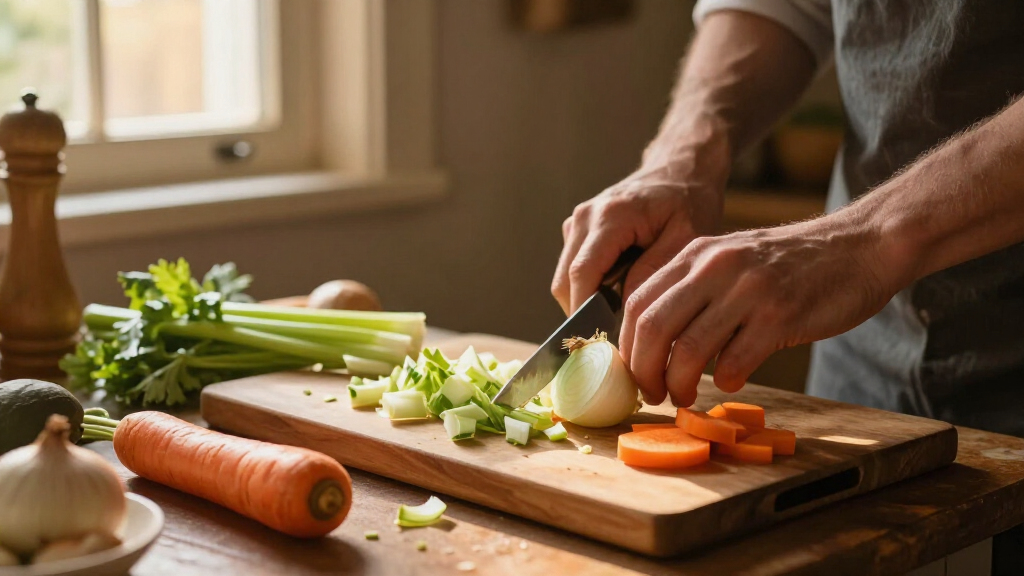
Battuto is a finely chopped mixture of aromatics such as onion, carrot, and celery, often including herbs, garlic, or cured pork, depending on the region and dish. It is prepared raw, chopped evenly to ensure uniform cooking and flavor release. Once this mixture is gently cooked in fat—such as olive oil, butter, or rendered pork fat—it becomes soffritto. The transition from battuto to soffritto involves slow, controlled cooking over low to medium-low heat, typically lasting 10 to 20 minutes, until the vegetables soften, become fragrant, and develop a light golden hue.
This process transforms the raw mixture into a flavor-rich base that supports sauces, stews, and other dishes, as detailed in the original analysis. The distinction between the two terms is significant: battuto refers to the raw preparation, while soffritto describes the cooked, aromatic foundation. Properly executed, soffritto should be subtle, supporting rather than overpowering the main ingredients, and it contributes sweetness, depth, and complexity to the final dish. For a deeper dive into Italian flavor bases, see this detailed guide.
Battuto and Soffritto
They are not interchangeable names. Battuto is the raw, finely chopped aromatic mixture; soffritto is what that mixture becomes after gentle cooking in fat. Knowing the transition gives cooks precise control over sweetness, aroma, and depth.
One mixture, two culinary states
The ingredients may remain identical, but heat changes their role. The raw mixture offers sharpness and freshness; gentle cooking unlocks sweetness and creates an integrated foundation.
Battuto
A finely and evenly chopped mixture of aromatics prepared before cooking.
- Usually onion, carrot, and celery
- May include garlic, herbs, pancetta, or chili
- Even chopping encourages uniform flavor release
- Can be used raw when brightness is wanted
+ heat
Soffritto
Battuto gently cooked in olive oil, butter, or rendered pork fat until tender and fragrant.
- Soft rather than crisp
- Fragrant without smelling raw
- Lightly golden, never scorched
- Subtle enough to support the main ingredients
The slow route to deeper flavor
Time and moderate heat soften cell structures, reduce raw sharpness, and release natural sweetness. Frequent stirring keeps the small pieces cooking evenly.
Chop
Cut aromatics finely and to a similar size.
Warm
Heat the fat gently; it should not smoke.
Soften
Cook over low or medium-low heat.
Stir
Move the mixture often to prevent hot spots.
Build
Add the dish’s main ingredients at peak fragrance.
Stop at light gold
The ideal soffritto is tender, aromatic, and lightly golden. Dark browning can dominate delicate sauces, while pale, firm vegetables may retain raw bitterness.
A practical comparison
Texture, aroma, and color reveal which stage you have reached. The name describes the mixture’s condition, not a mandatory ingredient list.
| Signal | Battuto | Soffritto | What it contributes |
|---|---|---|---|
| Heat | Uncooked | Gently cooked | Controls brightness versus depth |
| Texture | Firm and crisp | Soft and integrated | Determines how the base merges with the dish |
| Aroma | Sharp and fresh | Rounded and fragrant | Shapes the first layer of flavor |
| Color | Natural vegetable color | Pale to lightly golden | Indicates controlled flavor development |
| Typical role | Preparation or fresh aromatic accent | Foundation for a finished dish | Supports sauces, stews, braises, and risotto |
Key principle / Ingredients vary; preparation defines the term.
Italy changes the formula
There is no single national recipe. Local fats, herbs, vegetables, and cooking traditions reshape the aromatic base while preserving the same raw-to-cooked logic.
Rich and patient
Onion, carrot, and celery commonly cook in butter or pork fat, producing a mellow base suited to slow meat sauces such as ragù alla bolognese.
Typical direction: sweetness, richness, long cookingHerbal and savory
Olive oil often carries onion and celery alongside rosemary or sage, supporting bean dishes, vegetables, braises, and robust meats.
Typical direction: herbs, legumes, earthy depthBright and direct
Garlic, chili, parsley, and olive oil may lead the base, often with less carrot and a shorter cooking time that preserves vivid flavor.
Typical direction: warmth, brightness, quicker cookingMatch the stage to the dish
Choosing when to stop cooking is a flavor decision. The correct stage depends on the main ingredient, total cooking time, and desired intensity.
Keep battuto brighter
Use raw or barely warmed aromatics when a dish benefits from freshness, sharpness, or distinct texture. This approach can suit quick preparations and lighter vegetable combinations.
Develop soffritto slowly
Cook the mixture gently when sauces, ragù, risotto, stews, or braises need sweetness, integration, and layered savory depth.
Small technique, wide impact
A well-made aromatic base should rarely announce itself. Its job is to connect ingredients and make the finished dish taste fuller, calmer, and more coherent.
What home cooks should remember
These principles make the technique adaptable without losing its essential meaning.
Can the ingredients change?
Yes. Garlic, herbs, pancetta, chili, or regional vegetables may be added or omitted. The raw or cooked state remains the defining distinction.
Why cook slowly?
Gentle heat softens the vegetables and develops aroma and sweetness without scorching their small, delicate pieces.
How do I prevent burning?
Use low or medium-low heat, begin with warm—not smoking—fat, and stir frequently while monitoring the edges.
Does every Italian dish use it?
No. Many sauces, stews, braises, and risotti rely on it, while delicate seafood and lighter dishes may simplify or omit the base.
Why Differentiating Battuto and Soffritto Enhances Cooking
Understanding the difference between battuto and soffritto allows cooks to control flavor development more precisely. Using battuto raw can add brightness and freshness, while allowing it to become soffritto ensures the dish gains a layered, savory depth. This knowledge helps prevent common mistakes, such as undercooking aromatics, which can leave raw bitterness, or overcooking, which can dull flavors. Mastery of these stages is essential for authentic Italian dishes like ragù, risotto, and various vegetable preparations. Moreover, this distinction underscores the regional diversity of Italian cuisine, where ingredient choices and cooking techniques vary significantly.
For home cooks and professionals alike, recognizing when to stop cooking soffritto ensures a balanced, nuanced flavor profile. It also opens the door to customizing bases for different dishes—using onion-only, garlic and parsley, or other aromatic combinations—tailoring each to regional traditions and personal taste. Ultimately, this understanding elevates the cook’s confidence and results in more authentic, flavorful dishes.
As an affiliate, we earn on qualifying purchases.
Historical and Regional Variations of Battuto and Soffritto
The use of aromatic bases in Italian cuisine dates back centuries, with regional variations reflecting local ingredients and culinary traditions. In Northern Italy, ragù alla bolognese often begins with a soffritto of onion, carrot, and celery cooked in butter or pork fat, forming a rich, savory foundation for slow-cooked meat sauces. Central Italy’s bean and meat dishes similarly rely on a soffritto that emphasizes herbs like rosemary and sage, often cooked in olive oil. In Southern Italy, especially around Naples, garlic and chili are prominent, with less emphasis on carrots, and the cooking process tends to be quicker, focusing on bright, warm flavors.
Historically, the terms battuto and soffritto have been used variably across regions, with some areas favoring raw aromatics in their recipes, while others stress the importance of slow-cooked bases. The technique has evolved from traditional methods to modern interpretations, but the core principles remain consistent: finely chopping aromatics and cooking them gently to develop depth. The distinction is not merely linguistic but reflects a fundamental approach to flavor layering in Italian cooking.
“The mixture becomes soffritto once it is gently cooked in fat. The goal is to soften, fragrant, and lightly golden vegetables that support the dish.”
— Mad Tasting
As an affiliate, we earn on qualifying purchases.
Unresolved Questions About Regional Variations and Usage
While the general distinction between battuto and soffritto is clear, regional preferences and ingredient combinations vary widely across Italy. It is not yet fully documented how specific ingredients or cooking times influence flavor nuances in different local traditions. Additionally, some cooks may use the terms interchangeably, blurring the lines between raw and cooked aromatics. Further research into regional cookbooks and culinary practices could clarify these variations and standardize terminology.
As an affiliate, we earn on qualifying purchases.
Future Exploration of Regional Italian Aromatic Bases
Further studies are expected to examine regional cookbooks and interviews with Italian chefs to map how battuto and soffritto are used across Italy. Cooking demonstrations and culinary education programs may also help standardize understanding and techniques, fostering greater appreciation for these foundational steps. For home cooks, experimenting with different ingredient combinations and cooking times will continue to refine their mastery of Italian flavor bases.
As an affiliate, we earn on qualifying purchases.
Key Questions
What is the main difference between battuto and soffritto?
Battuto is a raw, finely chopped mixture of aromatics, while soffritto is that mixture after it has been gently cooked in fat until tender and fragrant.
Can I use different ingredients for battuto and soffritto?
Yes. Depending on the region and dish, ingredients like garlic, herbs, pancetta, or chili can be added or omitted. The key is how they are prepared—raw or cooked.
Why is it important to cook soffritto slowly?
Slow cooking allows the vegetables to soften, release sweetness, and develop aroma without burning, creating a flavorful base that enhances the final dish.
Are battuto and soffritto used in all Italian recipes?
No. While common in many sauces, stews, and braises, some recipes, especially lighter or seafood dishes, may omit or simplify these bases.
How can I avoid burning soffritto?
Cook over low or medium-low heat, stir frequently, and ensure the fat is warm but not smoking before adding aromatics.
Source: Mad Tasting