
TL;DR

Get kitchen gear delivered free with Prime
- Fast, free delivery on millions of items
- Prime Video, Amazon Music and more included
- Member-only deals all year
Nonno Antonio considered spaghetti alle vongole a religious experience, reflecting his deep culinary passion. His family recalls it as a central part of his life and traditions, highlighting the dish’s cultural importance.
Nonno Antonio’s devotion to spaghetti alle vongole was so profound that his family describes it as a religion in his life. His passionate love for the dish, which he regarded as a sacred tradition, has become a symbol of his culinary and cultural identity, according to relatives who shared memories after his passing.
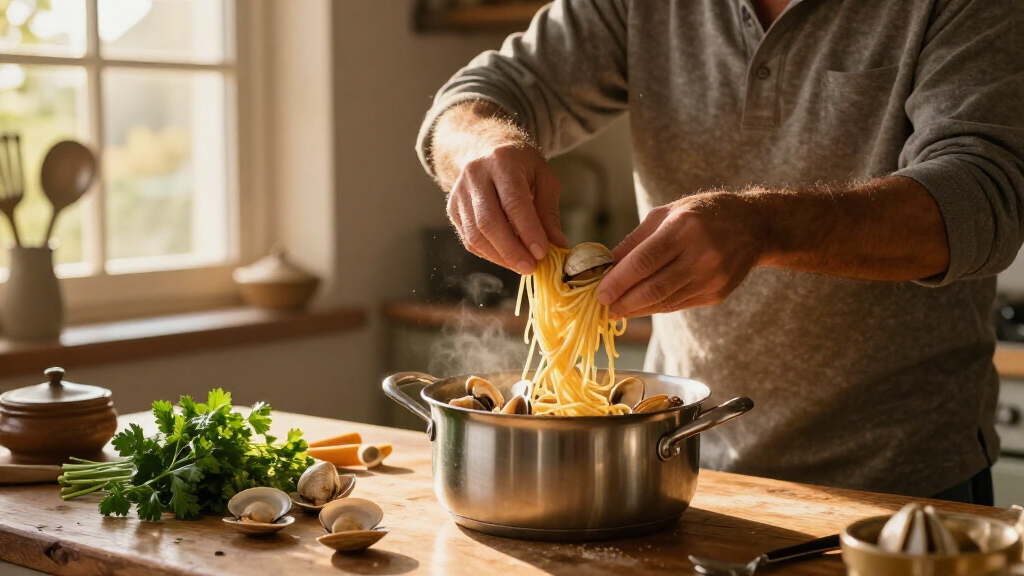
Nonno Antonio, a beloved figure in his family and community, was known for his unwavering enthusiasm for preparing and eating spaghetti alle vongole. His family recalls that he treated the dish with reverence, often saying it embodied the essence of his Italian heritage and personal history. The dish was more than just food; it was a ritual, a way for him to connect with his roots and loved ones.
According to his granddaughter Maria, nonno Antonio would spend hours selecting fresh clams and perfecting his recipe, which had been passed down through generations. She noted that he believed the dish brought good luck and happiness, and he would often insist that it be served during family gatherings and special occasions. His passion was so intense that family members say he would pray before starting to cook, as if blessing a sacred ritual.
Following his death, family members have shared stories emphasizing how central this dish was to his identity, with some describing him as almost religious in his devotion. His son Marco mentioned that nonno Antonio’s love for spaghetti alle vongole was a way of honoring his ancestors and maintaining cultural continuity. The family has announced plans to preserve his recipes and cooking traditions as a tribute to his memory.
Cultural and Personal Significance of Nonno Antonio’s Passion
This story highlights how food can serve as a powerful link to cultural identity and personal history. Nonno Antonio’s passionate devotion underscores the importance of culinary traditions in maintaining cultural heritage, especially within immigrant or regional communities. His family’s reverence for his love of spaghetti alle vongole illustrates how food rituals can become a form of spiritual expression and family bonding, making this story relevant beyond individual memory.
stainless steel pasta strainer for spaghetti alle vongole
As an affiliate, we earn on qualifying purchases.
As an affiliate, we earn on qualifying purchases.
Tradition of Spaghetti alle Vongole in Italian Culture
Spaghetti alle vongole is a classic Italian dish with regional variations, especially popular in coastal areas like Naples and Sicily. Traditionally, it involves fresh clams, garlic, olive oil, and parsley, served over spaghetti. The dish has long been regarded as a symbol of seaside culinary heritage and is often associated with family gatherings and festive occasions. Nonno Antonio’s devotion reflects a broader cultural appreciation for simple, fresh ingredients prepared with care, embodying Italy’s rich culinary traditions.
Historically, recipes like this have been passed down orally through generations, often with personal modifications. In many families, these dishes are considered more than just food—they are expressions of identity and love, sometimes elevated to a ritualistic level, as in nonno Antonio’s case. His story is a reminder of how food can become a symbol of cultural pride and personal devotion.
“Nonno Antonio treated spaghetti alle vongole as if it were a sacred ritual. It wasn’t just about eating; it was about honoring our roots and family traditions.”
— Maria, granddaughter
As an affiliate, we earn on qualifying purchases.
Details of Nonno Antonio’s Specific Rituals Unclear
While family members describe nonno Antonio’s love for spaghetti alle vongole as almost religious, specific details about his rituals—such as prayers or particular preparations—are not fully confirmed. It is unclear whether these practices were formal or spontaneous expressions of his devotion, and whether they were consistent or varied over time.
Italian garlic and parsley seasoning
As an affiliate, we earn on qualifying purchases.
As an affiliate, we earn on qualifying purchases.
Preserving and Honoring Nonno Antonio’s Culinary Legacy
The family plans to compile his recipes and document his cooking rituals to preserve his legacy. They also intend to hold a commemorative event featuring his favorite dish, aiming to share his story and cultural importance with the wider community. Researchers and culinary historians may also explore the deeper significance of such personal food rituals in cultural identity.
As an affiliate, we earn on qualifying purchases.
Key Questions
Why did nonno Antonio consider spaghetti alle vongole a religion?
His family recalls that he treated the dish with reverence, viewing it as a sacred tradition that connected him to his heritage and loved ones, almost like a spiritual practice.
What made his preparation of the dish unique?
Family members say he spent hours selecting fresh ingredients and believed in performing certain rituals, such as praying before cooking, to honor the dish and its cultural roots.
Will the family continue to cook this dish in his memory?
Yes, they plan to keep his recipes alive and serve the dish during family gatherings and cultural events to honor his memory.
Is there a broader cultural significance to this story?
Yes, it illustrates how food can serve as a profound expression of cultural identity and personal devotion, especially within Italian culinary traditions.
Are there any specific rituals associated with his cooking?
Family stories suggest he may have said prayers or performed certain steps with reverence, but detailed rituals are not fully documented or confirmed.
Source: rss
Fall Picks
fall essentials
As an affiliate, we earn on qualifying purchases.