
🔍 Read the full analysis: How The Italian Pantry Is Organized: The Twenty Staples That Cook Everything on Mad Tasting

Get kitchen gear delivered free — and shop member deals
- Fast, free delivery on millions of items
- Access to Prime Big Deal Days deals on October 6–7
- Prime Video, Amazon Music and more included
TL;DR
The core of Italian home cooking relies on twenty durable pantry staples, organized into functional zones—foundations, fats, acid, umami, and texture—that enable countless dishes. This system allows for quick, flavorful meals using minimal ingredients, emphasizing technique over complex recipes.
The Italian pantry is built on a core set of twenty durable staples that serve as the foundation for countless dishes, according to recent culinary analyses. These ingredients, organized into functional zones, enable home cooks—whether seasoned nonnas or beginners—to prepare authentic Italian meals with minimal shopping and maximum technique. This system underscores how Italian cooking relies less on complex recipes and more on mastering a handful of versatile ingredients and fundamental techniques.
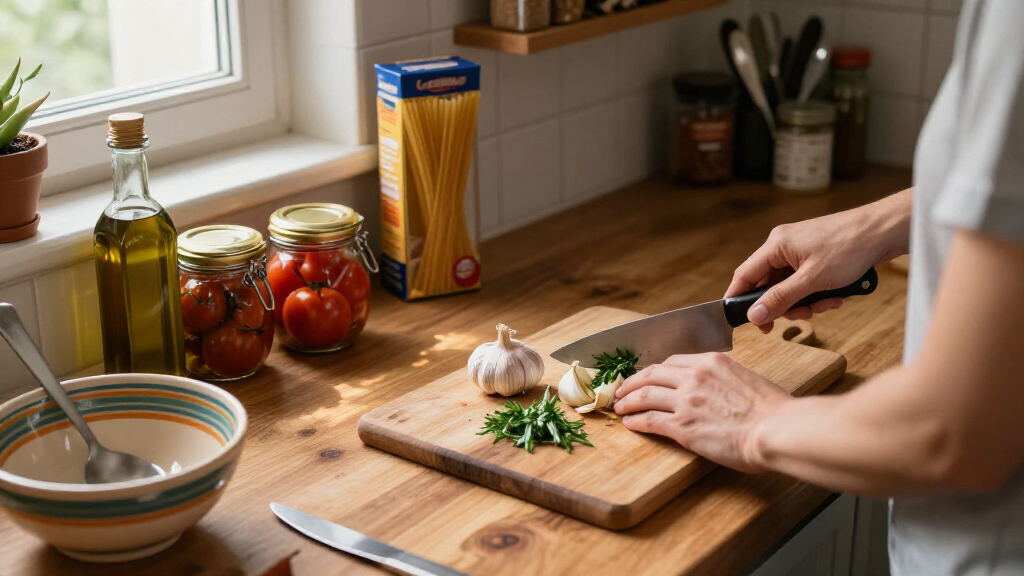
The twenty staples include olive oil, dried pasta, rice, polenta, wheat flour, canned whole peeled tomatoes, tomato paste, dried beans, tinned fish, anchovies, capers, olives, wine vinegar, dried porcini mushrooms, garlic, onions, dried chile, dried oregano, breadcrumbs, and salt. These ingredients are chosen for their durability, shelf stability, and ability to serve multiple roles in a variety of dishes. Notably, the list excludes perishable items like fresh basil or Parmesan, emphasizing ingredients that can be stored for weeks or months and used as needed.
Organized into five zones—foundations, fats and seasonings, acid and balance, concentrated umami, and texture—these staples form a flexible system that allows cooks to assemble dishes by function rather than strict recipes. Techniques such as browning garlic, dissolving anchovies in oil, reducing tomatoes, and emulsifying pasta water transform these basic ingredients into flavorful meals. This approach makes Italian cooking accessible, even when fresh ingredients are limited or unavailable.
Practical Impact of the Italian Pantry System
This pantry organization method simplifies meal planning and shopping, reducing the need for numerous specialty ingredients. It demonstrates how a limited set of versatile staples, combined with fundamental techniques, can produce a wide range of authentic Italian dishes. For home cooks, understanding this system offers a way to cook confidently and efficiently, emphasizing technique over recipe memorization. It also highlights the importance of strategic ingredient selection for flavor and flexibility, making everyday Italian cooking achievable for anyone.
As an affiliate, we earn on qualifying purchases.
Historical and Cultural Roots of the Twenty Staples
The concept of a core pantry rooted in durable, multipurpose ingredients reflects traditional Italian home cooking, which historically relied on ingredients that could be stored long-term and adapted to seasonal variations. This approach aligns with Italy’s regional diversity, where local ingredients and techniques have shaped a shared culinary foundation. Recent culinary writings, including those from sources like Mad Tasting, emphasize that this system is less about fixed recipes and more about mastering a set of roles that ingredients play in building flavor and texture.
While some staples, like pasta and olive oil, are universally recognized, others such as dried porcini or anchovies are more regionally specific but equally essential. The methodology emphasizes layering techniques—browning, emulsifying, reducing—that bring out maximum flavor from a small core of ingredients. This approach is a modern reflection of traditional practices, adapted for contemporary home kitchens worldwide.
“The Italian pantry rests on twenty durable staples: olive oil, dried pasta, rice, polenta, flour, canned tomatoes, tomato paste, dried beans, tinned fish, anchovies, capers, olives, wine vinegar, dried porcini, garlic, onions, chile, oregano, breadcrumbs, and salt.”
— Mad Tasting
As an affiliate, we earn on qualifying purchases.
Unanswered Questions About the Pantry System
While the core twenty staples are well-defined, it remains unclear how regional variations influence the exact composition of the pantry in different parts of Italy. Additionally, the impact of modern global ingredients—such as fresh herbs or specialty cheeses—on this system is less documented. It is also not yet confirmed whether this core set is universally applicable outside Italy or how it adapts to contemporary dietary trends.
As an affiliate, we earn on qualifying purchases.
Future Trends and Adaptations in Italian Home Cooking
Further exploration is expected into how home cooks worldwide adapt this pantry system, integrating local ingredients or modern dietary preferences. Additionally, culinary educators may develop guides that expand on technique mastery, helping more people leverage this core set for diverse, nutritious meals. Ongoing discussions in food communities suggest that this model remains a foundational concept for understanding authentic Italian cuisine, with potential for evolving as new ingredients and techniques emerge.
As an affiliate, we earn on qualifying purchases.
Key Questions
Are these twenty staples sufficient for all Italian dishes?
They form the core foundation for many traditional dishes, but regional and seasonal variations may introduce additional ingredients. The staples provide versatility, but specific recipes might call for other items.
Can I substitute some of these staples if I can’t find them?
Many ingredients, like dried porcini or anchovies, can be replaced with similar items depending on availability, but doing so may alter the flavor profile. The core principles remain applicable.
Is this pantry system suitable for beginner cooks?
Yes, organizing ingredients into functional zones simplifies meal planning and technique learning, making it accessible for those new to Italian cooking.
How does this system compare to other cuisines’ pantry approaches?
Unlike some cuisines that rely on a broad array of fresh ingredients, the Italian pantry emphasizes durable, shelf-stable staples and fundamental techniques, allowing for quick, flavorful meals with minimal fresh shopping.
Will this pantry list change with new food trends?
Potentially. While the core set remains relevant, emerging trends and regional influences may introduce new ingredients or techniques, expanding the traditional framework over time.
Source: Mad Tasting
Fall Picks
fall essentials
As an affiliate, we earn on qualifying purchases.