
When exploring pizza dough variations, you can customize based on your dietary preferences and taste. Whole wheat offers a nuttier flavor and added fiber, creating a heartier crust, while gluten-free options cater to sensitivities, using almond, rice, or tapioca flour with binding agents. Plant-based ingredients like vegan milks and flax seeds make softer, more pliable doughs for vegans. For low-carb or high-protein diets, cauliflower or chickpea flour work well. Keep exploring to discover more tasty modifications.

Get kitchen gear delivered free with Prime
- Fast, free delivery on millions of items
- Prime Video, Amazon Music and more included
- Member-only deals all year
Key Takeaways
- Explore different dough bases like whole wheat for a hearty flavor or gluten-free options for dietary restrictions.
- Incorporate plant-based ingredients such as vegan milks or flaxseed for vegetarian or vegan pizza dough.
- Use alternative flours like chickpea or rice for low-carb or high-protein nutritional profiles.
- Utilize modern kitchen tools like stand mixers to experiment with various dough formulations effectively.
- Adjust ingredients with binding agents or enhancers to mimic traditional dough texture across different dietary needs.
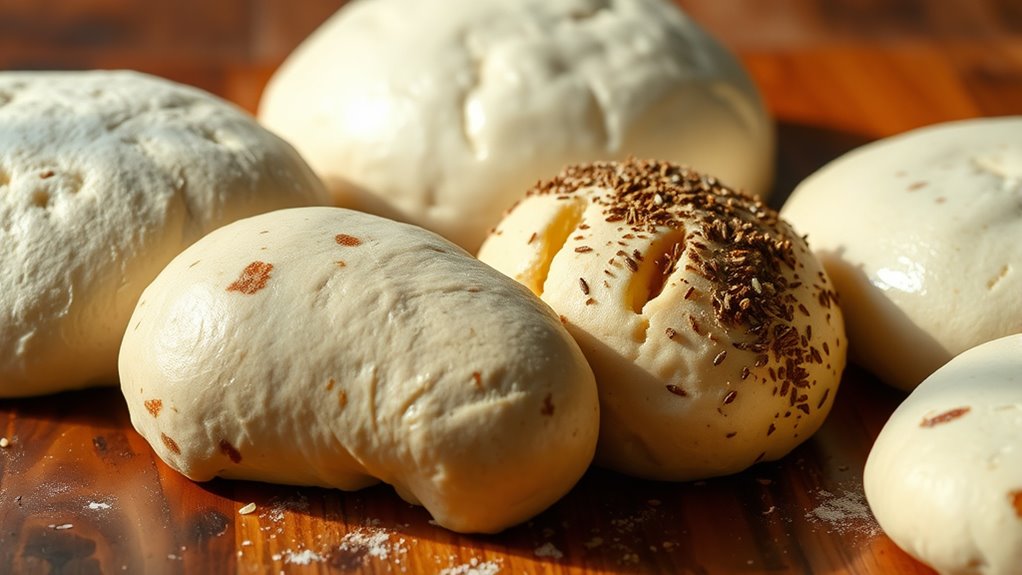
When it comes to making pizza, the type of dough you choose can dramatically change the final result. If you’re looking to customize your pizza to better suit your dietary needs or experiment with flavors, exploring different dough variations is a smart move. One popular option is whole wheat dough, which offers a nuttier flavor and increased fiber content. Using alternative ingredients like whole wheat flour not only boosts nutrition but also provides a denser, heartier crust that many find more satisfying. If you’re aiming for dietary modifications, whole wheat is a great choice as it’s widely available and easy to incorporate into your regular baking routine.
For those with gluten sensitivities or celiac disease, gluten-free dough becomes essential. You can find pre-made gluten-free mixes or create your own using alternative ingredients such as almond flour, rice flour, or tapioca starch. These ingredients help mimic the texture of traditional dough while accommodating gluten-free needs. Keep in mind that gluten-free dough often requires additional binding agents like xanthan gum or guar gum to improve elasticity and hold the shape during baking. This variation allows you to enjoy pizza without compromising your health restrictions, though it may take some experimentation to get the texture just right.
Vegetarian or vegan dietary modifications also open up new possibilities for dough ingredients. Instead of traditional dairy-based options, you can substitute plant-based milks like almond, soy, or oat milk in the dough recipe. Some recipes incorporate flaxseed or chia seeds as egg replacers, providing both moisture and binding properties. These alternative ingredients not only cater to specific dietary preferences but also add unique flavors and nutritional benefits. Vegan dough, for example, is often softer and more pliable, making it easier to work with when shaping your pizza.
Additionally, there are other inventive variations, such as cauliflower crust or chickpea flour-based dough, which serve as excellent alternatives for those seeking low-carb, high-protein options. These ingredients can be integrated into your recipes to create a crust that aligns with specific dietary goals while offering a distinctive taste and texture. Incorporating modern technology into your baking process, like using a stand mixer or dough scraper, can also help achieve consistent results across different variations. Overall, experimenting with alternative ingredients and dietary modifications broadens your pizza-making horizons, enabling you to craft delicious, personalized pies that suit your lifestyle and taste preferences.
As an affiliate, we earn on qualifying purchases.
Frequently Asked Questions
Can I Freeze Different Pizza Dough Types for Later Use?
Yes, you can freeze different pizza dough types for later use. Use proper dough freezing techniques by wrapping the dough tightly in plastic wrap or placing it in an airtight container. When you’re ready to use it, thawing pizza dough should be done in the refrigerator overnight for best results. This helps maintain its texture and flavor, making it easy to bake fresh pizza anytime.
Which Toppings Work Best With Gluten-Free Pizza Dough?
You’ll find that almost any topping works marvelously on gluten-free pizza dough—think of it as a blank canvas ready for your culinary masterpiece. For the best results, use gluten-free cheese to melt perfectly and choose suitable toppings like fresh vegetables, lean meats, and herbs. Keep flavors balanced to avoid overpowering the delicate crust. With the right toppings, your gluten-free pizza will be an unforgettable delight, rivaling traditional favorites!
How Does Hydration Affect the Texture of Whole Wheat Dough?
Hydration considerably impacts the texture of whole wheat dough by influencing gluten development and moisture content. When you increase hydration, the dough becomes more elastic and easier to handle, resulting in a lighter, chewier crust. Conversely, too little water can make the dough dense and crumbly, hindering gluten formation. Adjust hydration carefully to balance moisture, ensuring ideal gluten development for a tender yet sturdy whole wheat pizza crust.
Are There Vegan Substitutes for Traditional Pizza Dough Ingredients?
Your pizza game just leveled up! You can swap traditional ingredients with vegan cheese alternatives and plant-based binding agents like flaxseed or chia seeds. These substitutes mimic the texture and flavor of classic dough, making your pizza completely vegan. Plus, they’re packed with nutrients, proving you don’t need animal products to create a dough that’s as delicious and satisfying as the original. It’s a win for taste and ethics!
What Is the Best Way to Store Homemade Pizza Dough Variations?
To store your homemade pizza dough variations, place the dough in a dough storage container or airtight packaging. Make sure it’s sealed tightly to prevent air exposure, which can cause drying out or fermentation. You can refrigerate the dough for up to 3 days or freeze it for longer storage. When ready to use, thaw it in the fridge overnight and bring it to room temperature before shaping.
As an affiliate, we earn on qualifying purchases.
Conclusion
Now that you’ve uncovered these pizza dough variations, your kitchen is your playground. Whether you choose the hearty embrace of whole wheat or the delicate charm of gluten-free, each dough is a blank canvas waiting for your culinary masterpiece. Think of your pizza as a delicious symphony, with every crust playing its unique note. So, roll up your sleeves and craft your perfect pie—your taste buds are in for a flavorful adventure!
As an affiliate, we earn on qualifying purchases.
low carb cauliflower pizza crust
As an affiliate, we earn on qualifying purchases.
As an affiliate, we earn on qualifying purchases.
Halloween Picks
halloween
As an affiliate, we earn on qualifying purchases.