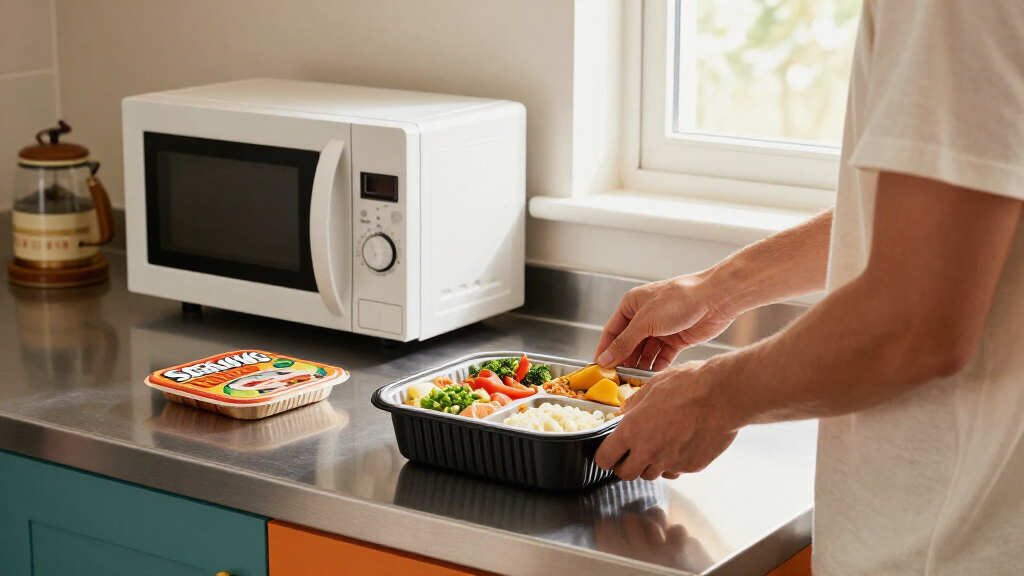

TL;DR
Listen free for 30 days with Audible
Thousands of audiobooks and originals — cancel anytime.
Start your free trialAs an affiliate, we earn on qualifying purchases.
During the 1980s, TV dinners became a household staple for busy families seeking quick dinners. This trend reflects broader changes in American dining habits and convenience culture. The story examines how TV dinners shaped family routines and food industry practices.
In the 1980s, TV dinners became a common dinner choice for American families, offering a quick and convenient meal option. This development reflected broader societal shifts toward busy lifestyles and convenience foods, making TV dinners a cultural icon of the decade.
TV dinners, pre-packaged frozen meals designed for microwave or oven heating, saw a surge in popularity during the 1980s. Major brands like Swanson, Stouffer’s, and Lean Cuisine expanded their offerings, making these meals accessible and affordable for many households. According to industry reports, sales of frozen dinners increased significantly during this period, with millions of households relying on them for weeknight dinners.
Experts attribute the rise of TV dinners to factors such as increased women’s participation in the workforce, longer working hours, and the desire for quick meal solutions. Cultural references, including TV shows and advertisements, often depicted TV dinners as a symbol of modern, busy family life.
While some critics argued that TV dinners contributed to a decline in home-cooked meals, their convenience and variety made them a staple in many households. The trend also influenced food industry practices, leading to innovations in frozen food technology and marketing strategies.
Cultural Impact of TV Dinners on Family Routines
The popularity of TV dinners in the 1980s highlights how societal changes—such as increased workforce participation and technological advancements—shaped family dining habits. They symbolized a shift toward convenience and efficiency in meal preparation, influencing both consumer behavior and food industry practices. Understanding this trend offers insight into broader cultural transformations in American life during that era.
As an affiliate, we earn on qualifying purchases.
Rise of Convenience Foods in the 1980s America
During the 1980s, American society experienced significant changes, including more women entering the workforce and busier lifestyles overall. These shifts increased demand for quick, easy meal options, leading to the rapid growth of frozen foods and TV dinners. Major brands invested heavily in marketing campaigns that portrayed these meals as modern and time-saving solutions, aligning with the era’s consumer values. The trend was also fueled by technological innovations in freezing and packaging, which improved product quality and variety.
Prior to this period, home-cooked meals were the norm, but the convenience of TV dinners gradually transformed household routines. The cultural perception of these meals as symbols of modern life persisted into the 1990s, although some critics raised concerns about nutritional quality and the decline in home cooking.
“TV dinners became a cultural icon of the ’80s, representing the shift toward convenience and efficiency in family meals.”
— Food historian Jane Smith
As an affiliate, we earn on qualifying purchases.
Current Perceptions and Nutritional Concerns
While TV dinners remain available today, it is unclear how their perception has changed among modern consumers, especially regarding nutritional value and health impacts. Some critics argue that the convenience comes at the expense of nutritional quality, but recent market data on consumer attitudes is limited.As an affiliate, we earn on qualifying purchases.
Future Trends in Convenience and Frozen Foods
Food industry experts anticipate continued innovation in frozen meal options, with a focus on healthier ingredients and more diverse cuisines. Consumer preferences for convenience are unlikely to diminish, suggesting that products like TV dinners will evolve rather than disappear. Additionally, increasing awareness of nutrition may lead to reformulated offerings that balance convenience with health benefits.
As an affiliate, we earn on qualifying purchases.
Key Questions
Why did TV dinners become popular in the 1980s?
They became popular due to societal shifts such as more women working outside the home, busier lifestyles, and technological advances in freezing and packaging, making quick, convenient meals more accessible.
Are TV dinners still popular today?
While they are still available, their popularity has declined somewhat due to changing health perceptions and the availability of fresh, healthy alternatives. However, convenience foods remain an important segment of the food industry.
Did TV dinners impact traditional home cooking?
Yes, they contributed to a decline in home-cooked meals for some families, as they offered an easy alternative. However, many households continued to cook from scratch, especially for special occasions.
What are modern equivalents of TV dinners?
Today’s equivalents include frozen meals with healthier ingredients, meal kits, and ready-to-eat options that cater to health-conscious consumers seeking convenience.
Source: rss
NFL season / tailgating Picks
team gear
As an affiliate, we earn on qualifying purchases.