
To prevent thermometer cables from failing prematurely, you should regularly inspect and calibrate sensors to guarantee accuracy, and handle cables gently during installation. Avoid pulling or bending cables sharply, and secure them properly to reduce strain. Protect cables from environmental stressors like extreme temperatures, moisture, and chemicals, using conduits or suitable insulation. Proper storage and routine maintenance can extend their lifespan—continue exploring these tips for more ways to keep your cables reliable longer.

Get kitchen gear delivered free — and shop member deals
- Fast, free delivery on millions of items
- Access to Prime Big Deal Days deals on October 6–7
- Prime Video, Amazon Music and more included
Key Takeaways
- Regularly inspect and recalibrate sensors to maintain accuracy and prevent strain on cables.
- Handle cables gently during installation, avoiding tight pulls and sharp bends.
- Protect cables from environmental stressors like extreme temperatures and chemicals with proper storage and coverings.
- Use high-quality insulation materials and ensure proper routing to prevent physical damage and interference.
- Conduct routine maintenance and inspections to identify early signs of wear and address issues proactively.
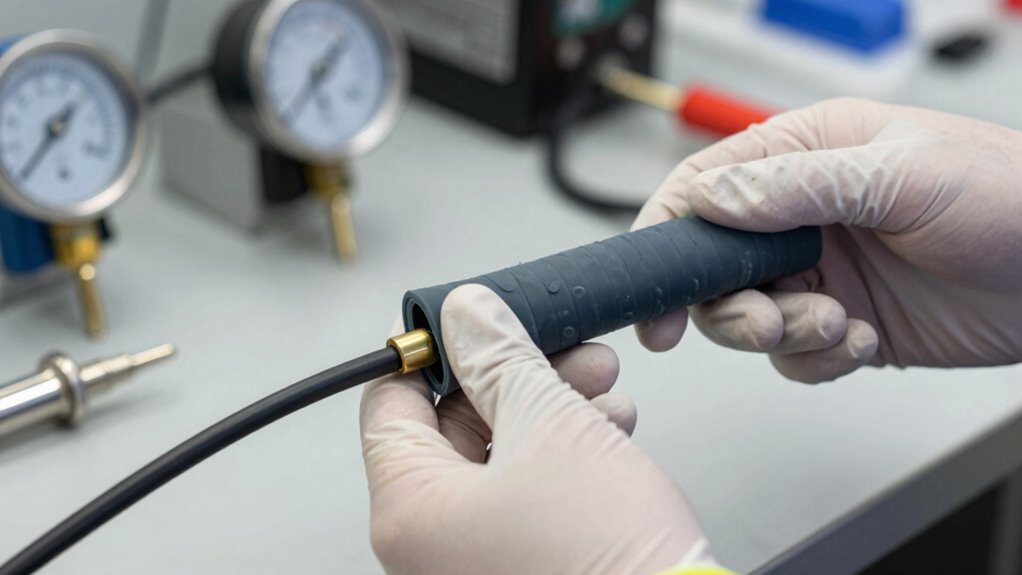
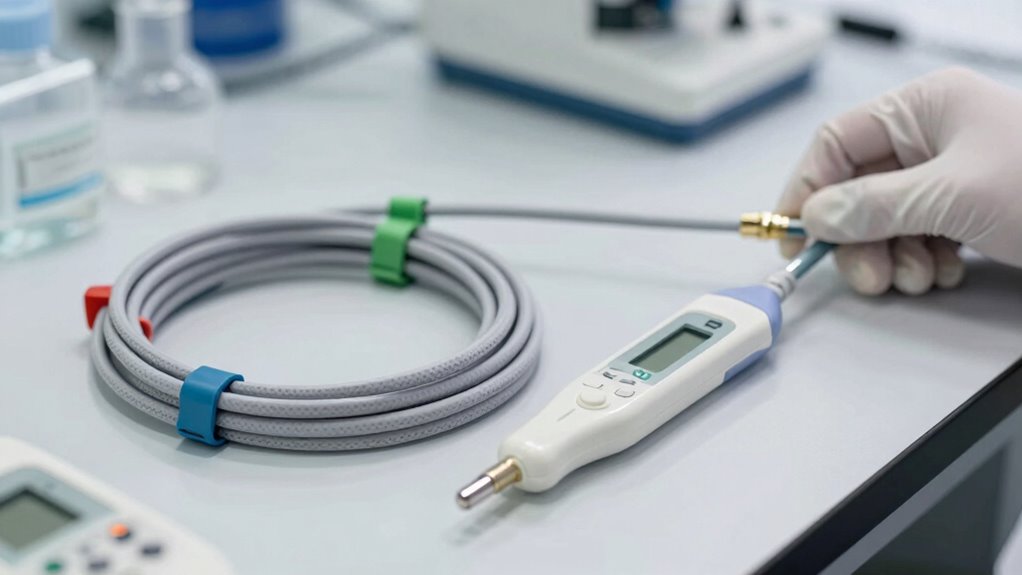
Thermometer cables are essential for accurate temperature readings, but they often fail prematurely due to improper handling or environmental stress. To extend their lifespan, you need to pay close attention to how you manage these cables. One of the most critical factors is guaranteeing proper sensor calibration. Over time, calibration can drift, leading to inaccurate readings and unnecessary strain on the cables. Regularly checking and recalibrating your sensors helps maintain measurement accuracy, which reduces the likelihood of damage caused by misinterpretation or repeated adjustments. When sensors are correctly calibrated, they communicate more efficiently with your data systems, decreasing the need for excessive handling that can wear down the cables. Additionally, using proper storage techniques when the cables are not in use can help prevent unnecessary wear and tear. Cable insulation plays an important role in protecting your thermometer cables from environmental hazards like moisture, chemicals, and physical abrasions. Damaged or degraded insulation exposes the internal wiring, increasing the risk of short circuits and signal loss. To prevent this, you should inspect the insulation regularly for cracks, tears, or signs of wear, especially if your cables are exposed to harsh conditions. Using high-quality, appropriately rated cable insulation materials can drastically reduce the chance of premature failure. When installing, guarantee that the cables are not pulled too tightly or bent sharply, as this can weaken the insulation and internal wiring over time. Proper routing and securing of the cables help prevent unnecessary strain, which is a common cause of insulation damage. Proper cable management also involves ensuring that cables are routed away from sources of electrical interference that can cause signal disruptions or damage. Taking care during installation and use also involves protecting the cables from environmental stressors. Avoid exposing the cables to extreme temperatures, direct sunlight, or chemicals that can deteriorate the insulation. If your application involves fluids or exposure to corrosive substances, select cables with specialized insulation designed for such conditions. Additionally, consider using protective conduits or coverings to shield the cables from physical damage. Proper cable management not only preserves insulation integrity but also minimizes the chances of accidental pulls or kinks that can compromise the internal wiring. Regular inspection and maintenance are vital for identifying potential issues early and preventing cable failure. A comprehensive understanding of cable durability factors can help you better anticipate and address potential vulnerabilities. Furthermore, staying informed about advancements in insulation materials can help you choose cables that are better suited for demanding environments. Finally, training staff on proper handling techniques is essential. Mishandling during maintenance or adjustments can cause internal wire breakage or insulation failure. When you or your team understand the importance of gentle handling and correct installation procedures, the lifespan of your thermometer cables greatly improves. Remember, routine inspections, proper installation, and regular calibration are your best defenses against premature cable failure. By proactively maintaining these aspects, you guarantee consistent, reliable temperature readings and extend the overall life of your thermometer cables.
thermometer cable insulation protection
As an affiliate, we earn on qualifying purchases.
As an affiliate, we earn on qualifying purchases.
Frequently Asked Questions
Can Specific Materials Improve Thermometer Cable Durability?
Yes, specific materials can improve thermometer cable durability. Material innovations, like advanced insulation compounds, can make cables more resistant to wear and environmental factors. Coating enhancements, such as protective polymer layers, shield against moisture, chemicals, and physical damage. By choosing cables with these improved materials, you guarantee longer-lasting performance, reducing failures. Always look for cables with high-quality, durable materials tailored to your specific environment to maximize longevity and reliability.
How Does Environmental Exposure Affect Cable Lifespan?
Environmental exposure acts like a relentless storm battering your thermometer cables. When UV rays hit, they can weaken the outer layer, causing cracks and brittleness. Moisture seeps in like a silent invader, accelerating corrosion and failure. To extend cable lifespan, guarantee they have UV resistance and moisture protection. Think of these features as armor, shielding your cables against harsh weather, so they stay resilient and accurate over time.
Are There Recommended Storage Practices for Thermometer Cables?
You should store thermometer cables in a cool, dry place with proper insulation to prevent damage. Keep the storage temperature within the manufacturer’s recommended range to avoid material degradation. Coil the cables gently without sharp bends, and avoid exposure to direct sunlight or moisture. Regularly inspect the cables for signs of wear, and store them away from chemicals or extreme temperatures to extend their lifespan and guarantee accurate readings.
What Are Common Signs of Impending Cable Failure?
You’ll notice warning signs of impending cable failure like calibration errors and inconsistent readings that seem to defy logic. If your thermometer cable shows frayed wires, cracks, or stiffness, it’s a clear red flag. Poor user handling can accelerate wear, causing internal damage that’s hard to detect. Stay vigilant—regularly check your cables for these signs, as ignoring them risks a breakdown that could rival a volcanic eruption in scale.
Do Different Brands Have Varying Cable Longevity?
Yes, different brands do have varying cable longevity. When comparing brands, look at their warranty policies, as some offer longer coverage for cable issues, indicating confidence in product durability. Brand reputation and quality standards also influence cable lifespan. You should consider these factors, along with user reviews, to choose a thermometer that’s more likely to have a reliable, long-lasting cable, reducing the need for early replacements.
temperature sensor calibration tools
As an affiliate, we earn on qualifying purchases.
As an affiliate, we earn on qualifying purchases.
Conclusion
By taking these simple steps, you can extend the life of your thermometer cables and avoid costly replacements. Regular inspections, gentle handling, and proper storage go a long way in preventing premature failures. Isn’t it worth investing a little effort now to save time and money later? Keep your cables protected and functioning smoothly—after all, a reliable thermometer is essential for accurate readings. Why not start implementing these tips today?
cable management clips for sensors
As an affiliate, we earn on qualifying purchases.
As an affiliate, we earn on qualifying purchases.
protective conduit for thermometer cables
As an affiliate, we earn on qualifying purchases.
As an affiliate, we earn on qualifying purchases.
Fall Picks
fall essentials
As an affiliate, we earn on qualifying purchases.