
Pellet sensors and auto-feed systems improve your stove’s efficiency and convenience by monitoring pellet levels and ensuring a steady fuel flow. They detect and manage pellet presence using infrared, ultrasonic, or pressure sensors, helping prevent jams and maintain consistent heating. Installing and maintaining them properly boosts performance and saves you money in the long run. If you want to discover how these smart features can elevate your stove, keep exploring the details.
Key Takeaways
- Pellet sensors detect pellet levels and flow, ensuring continuous feeding and efficient heating.
- Auto-feed systems automate pellet delivery, reducing manual refills and preventing jams.
- Proper calibration and maintenance of sensors optimize performance and extend system lifespan.
- High-quality sensors and auto-feed components offer long-term cost savings and improved reliability.
- Future advancements include smarter sensors and integration with smart home technology for enhanced control.

US Stove GW1949 Wiseway Non-Electric Pellet Stove
EPA-certified nonelectric pellet stove utilizes a Natural gravity feed system, for less maintenance
As an affiliate, we earn on qualifying purchases.
As an affiliate, we earn on qualifying purchases.
What Are Pellet Sensors and How Do They Work?
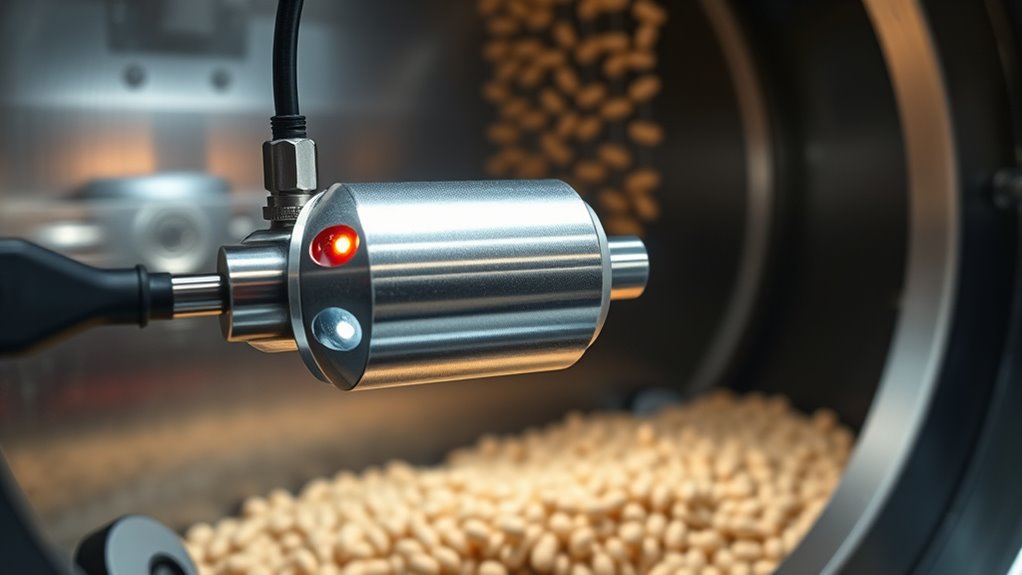
Pellet sensors are devices designed to detect and monitor the presence and level of pellets in a container or feeding system. To guarantee accurate readings, proper sensor calibration is essential; this involves adjusting the sensor so it correctly identifies pellet levels without false triggers. These sensors typically rely on a stable power supply to function reliably, as fluctuations can cause inconsistent performance. Many pellet sensors use infrared or ultrasonic technology to detect pellets without direct contact, providing real-time data to your auto-feed system. When calibrated correctly and powered consistently, they can accurately signal when pellets need refilling, preventing jams or shortages. Regular maintenance and calibration help keep the sensors functioning at their best, ensuring your pellet stove operates smoothly and efficiently.

PWM DC5V Ultrasonic ranging Sensor ultrasonic Waterproof Distance sensors Waterproof Probe PWM ultrasonic Sensor Module
ultrasonic sensor, is a kind of sensor that applies ultrasonic technology to detect the distance of objects.
As an affiliate, we earn on qualifying purchases.
As an affiliate, we earn on qualifying purchases.
The Benefits of Auto-Feed Systems in Pellet Stoves
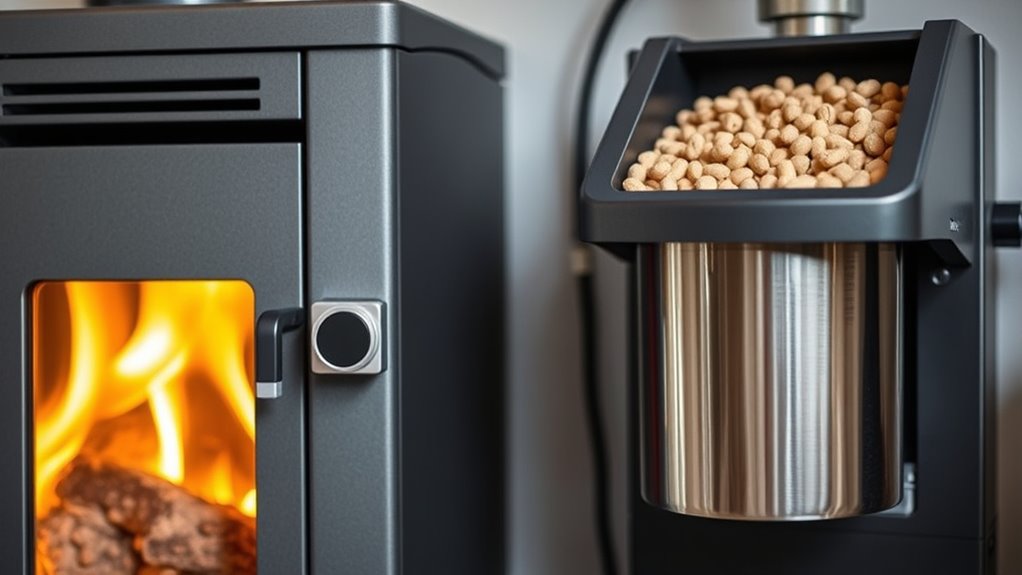
Auto-feed systems bring significant advantages to pellet stove operation by ensuring a continuous supply of fuel without constant manual intervention. This automation improves fuel efficiency by maintaining ideal burn conditions, saving you money and effort. Plus, it enhances user convenience, allowing you to enjoy consistent heat without frequent refills. With auto-feed, you avoid the hassle of manual loading, especially during busy days or cold nights. The system adjusts pellet flow based on your stove’s needs, maximizing efficiency. Consider the following benefits:
| Benefit | Explanation |
|---|---|
| Fuel Efficiency | Optimized pellet delivery reduces waste and energy use |
| User Convenience | Less manual work, more consistent heating |
| Reduced Maintenance | Fewer refills mean less cleaning and upkeep |
| Cost Savings | Lower fuel consumption cuts expenses |
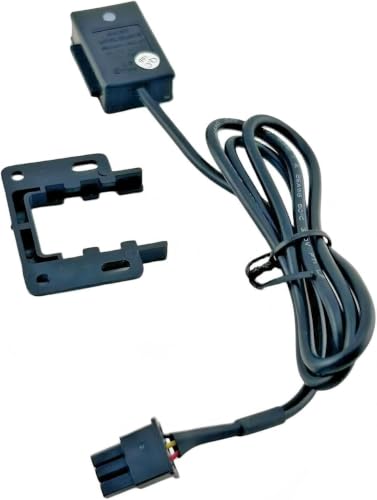
SRV7000-523 Fireplace Fuel Level Sensor – for Quadrafire Pellet Stove part Edge 60 – Fireplace Fuel Bin Sensor
SRV7000-523 Fireplace Fuel Level Sensor – for Quadrafire Pellet Stove part Edge 60 – Fireplace Fuel Bin Sensor
As an affiliate, we earn on qualifying purchases.
As an affiliate, we earn on qualifying purchases.
Types of Pellet Sensors and Their Features
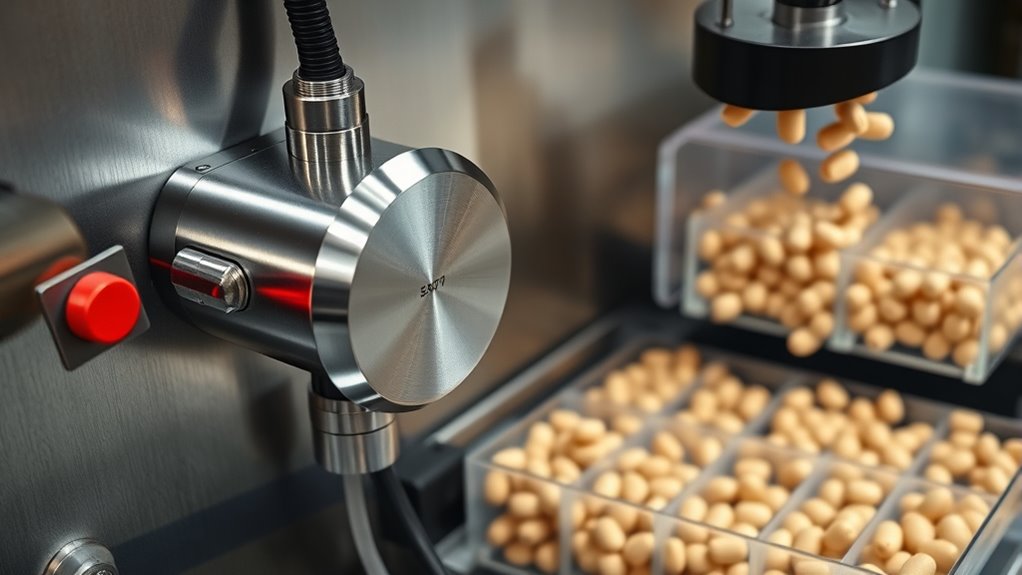
To guarantee your pellet stove operates efficiently and reliably, understanding the different types of pellet sensors is essential. Common sensor types include optical, pressure, and thermocouple sensors, each with unique features. Optical sensors detect pellet levels through light reflection, requiring proper sensor calibration to avoid false readings. Pressure sensors measure pellet flow or blockages, and must be compatible with the material used in your stove’s environment to prevent corrosion or damage. Thermocouple sensors monitor temperature, ensuring safe operation. When selecting sensors, consider material compatibility to withstand dust, ash, and heat, which prolongs their lifespan. Accurate sensor calibration ensures precise readings, minimizing maintenance and maximizing efficiency. Knowing these sensor types helps you choose the right system for your stove’s specific needs.
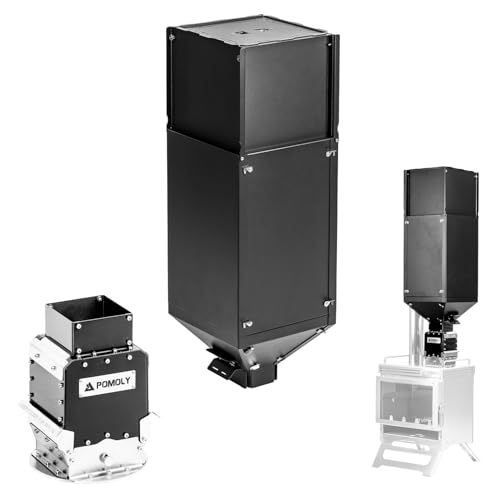
POMOLY Pellet Bin with Burner for Camping Wood Stove Accessories, Turbocharger Pellet Box and Pellet Burner for Tent Stove
【Stunning Waterfall Flame】Experience a beautiful and mesmerizing flame that flows from top to bottom like a waterfall, adding…
As an affiliate, we earn on qualifying purchases.
As an affiliate, we earn on qualifying purchases.
How Auto-Feed Systems Improve Efficiency and Convenience
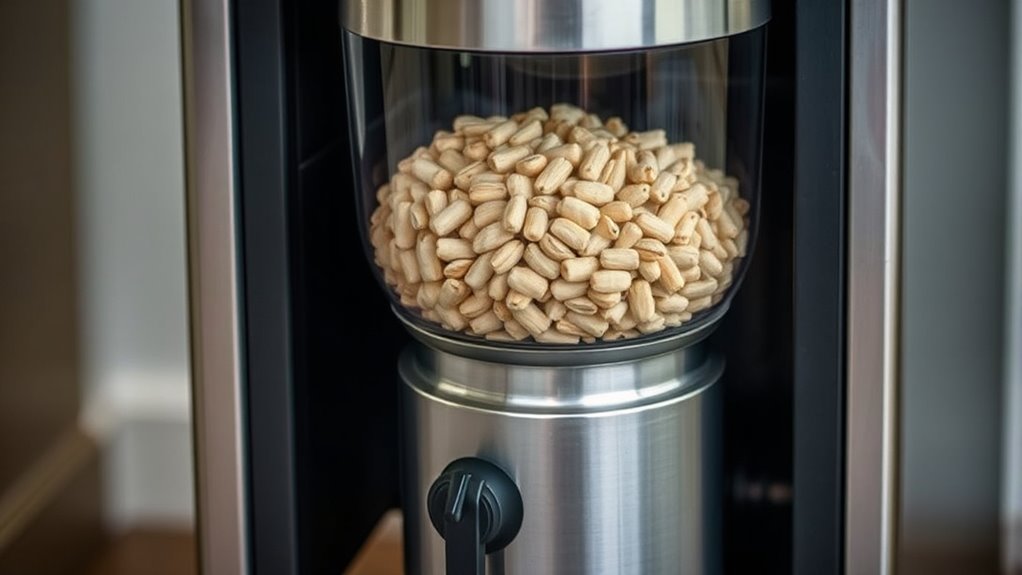
By automating the feeding process, auto-feed systems considerably boost both the efficiency and convenience of pellet stoves. They ensure consistent fuel supply, which maximizes fuel efficiency and reduces manual refilling. This means fewer interruptions, allowing your stove to operate longer and more reliably. User comfort improves as you don’t need to monitor or adjust the feed manually, making heating hassle-free. The system maintains *ideal* burn conditions, conserving energy and lowering costs. To highlight benefits, see the table below:
| Benefit | Description | Impact |
|---|---|---|
| Fuel Efficiency | Precise pellet delivery | Saves money on fuel |
| User Comfort | Hands-free operation | Less maintenance, more convenience |
| Consistent Heating | Steady heat output | Improved home comfort |
Installation and Maintenance of Pellet Sensors and Auto-Feed Systems
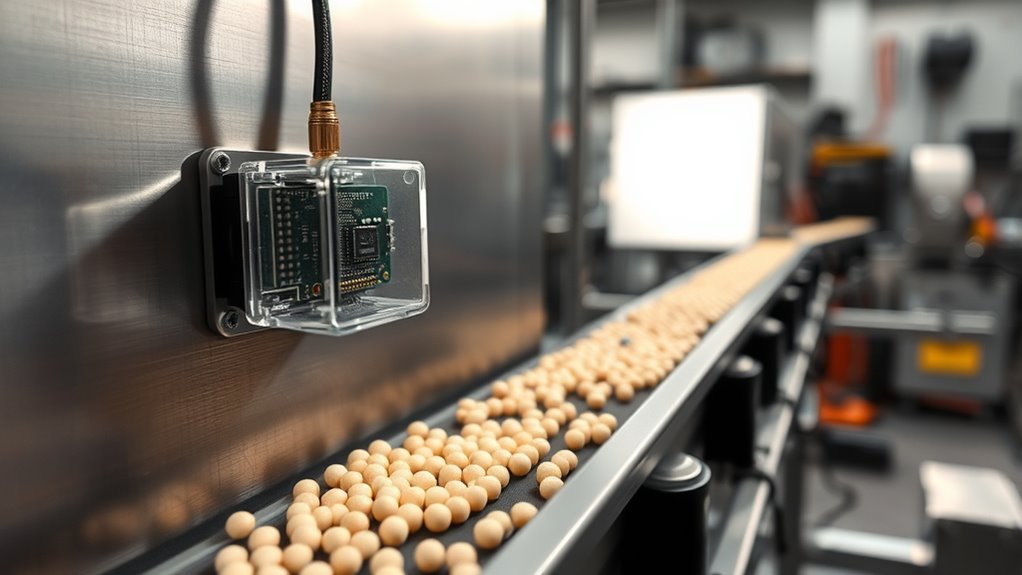
Installing pellet sensors and auto-feed systems requires careful attention to detail to guarantee reliable operation. You must ensure proper ventilation requirements are met to prevent overheating and ensure safety. Verify that all components have the necessary safety certifications, giving you peace of mind. Proper placement of sensors is critical for accurate detection and smooth feeding. Regular maintenance, like cleaning sensors and inspecting connections, keeps your system functioning efficiently. Don’t forget to review manufacturer guidelines to avoid common issues. Staying vigilant about ventilation and safety standards protects your investment and safety.
- Feel confident knowing your system operates seamlessly and safely
- Experience peace of mind with certified, reliable components
- Maintain peak performance through simple, routine checks
- Ensure safety certifications are always up to date
Common Challenges and Troubleshooting Tips
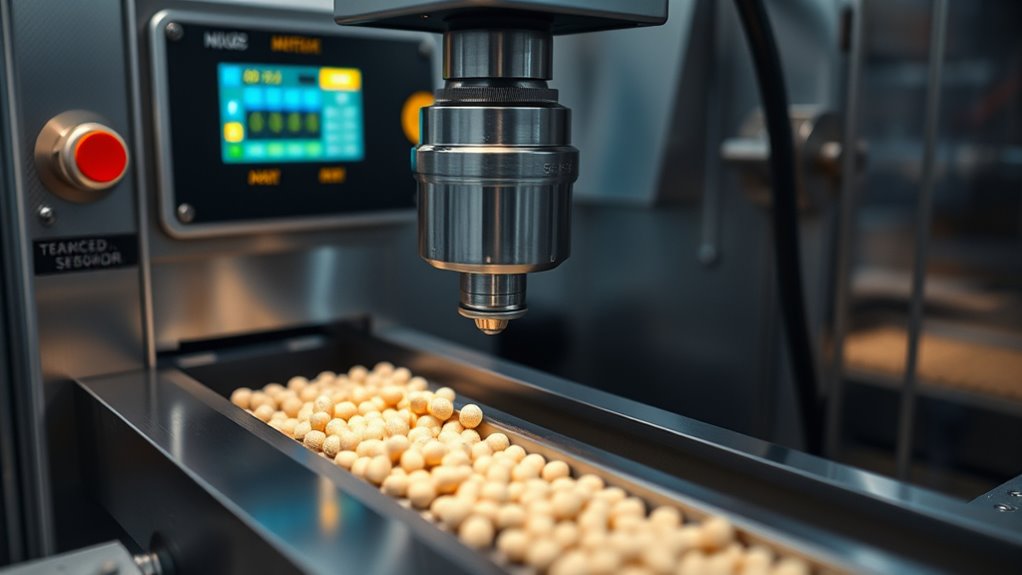
You might encounter pellet sensor misreads or auto-feed jams that disrupt operation. These issues can be frustrating but are usually fixable with some troubleshooting. Understanding common causes helps you keep your system running smoothly.
Pellet Sensor Misreads
Pellet sensor misreads can disrupt the entire auto-feed system, causing jams or inaccurate pellet levels. When your sensor isn’t properly calibrated, it might falsely detect low pellets or overlook jams, leading to frustration. Poor fuel quality can also influence sensor accuracy, as dust or debris clings to sensors or pellets, skewing readings. To troubleshoot, verify your sensor calibration is precise and regularly maintained. Check for any blockages or buildup that could interfere with signals. Additionally, inspect the fuel quality—using clean, dry pellets minimizes false readings. Neglecting these issues can leave you stranded, wondering why your system isn’t performing. Staying vigilant about calibration and fuel quality keeps your pellet sensor functioning reliably, avoiding unnecessary headaches and ensuring smooth operation.
Auto-Feed Jamming
Auto-feed jamming is a common challenge that can disrupt the smooth operation of your pellet system. When jams occur, it’s often due to misaligned or dirty pellet sensors, so start by checking and recalibrating your pellet sensor to guarantee accurate detection. Regular pellet sensor calibration helps prevent false readings that can cause jams or overfeeding. If jams persist, consider upgrading your auto feed system with more reliable components or enhanced sensors designed to handle different pellet types. Clear any debris or obstructions in the feed chute, and inspect for worn or damaged parts. Upgrading your system can reduce jamming incidents and improve overall efficiency. Routine maintenance, including sensor calibration and system upgrades, is key to avoiding future auto-feed jams and keeping your pellet system operating smoothly.
Smart Technology Integration in Modern Pellet Stoves
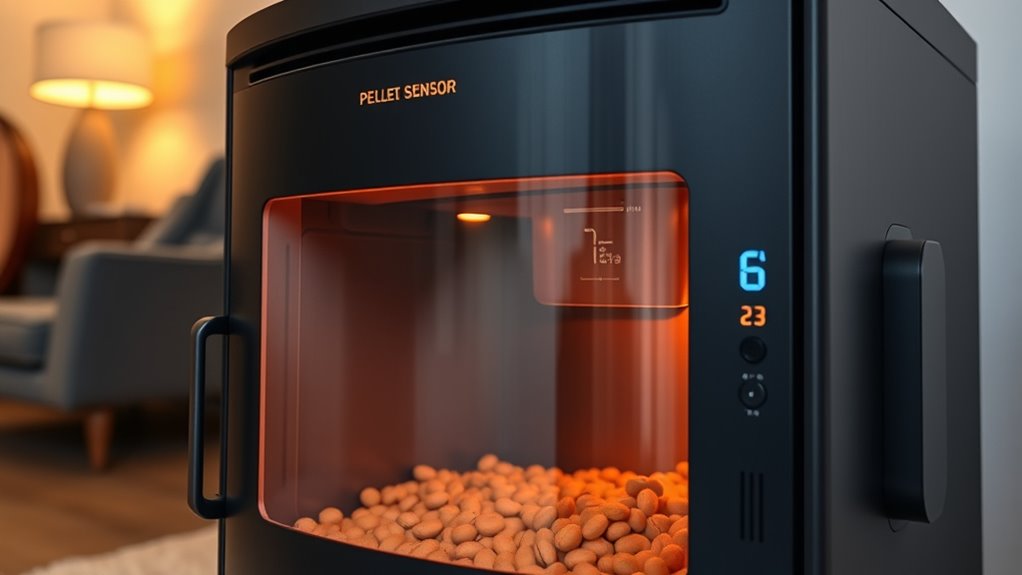
As technology advances, modern pellet stoves increasingly incorporate smart features that enhance convenience and efficiency. These systems allow you to control heating remotely, monitor performance, and optimize ventilation, ensuring your home stays cozy without wasting energy. Smart integration also enhances aesthetic design by enabling sleek, minimalist interfaces that blend seamlessly into your space. Imagine adjusting your stove’s settings with a simple app or voice command, knowing it’s fine-tuned for ideal ventilation and airflow. This not only improves comfort but also reduces maintenance worries. With intelligent sensors and auto-adjustments, your stove responds automatically to changing conditions, giving you peace of mind. Experience the satisfaction of a smarter, more efficient home that adapts effortlessly to your lifestyle.
- Feel empowered by total control at your fingertips
- Enjoy a home that adapts seamlessly to your needs
- Revel in the sleek, modern look that complements your decor
- Trust in smarter ventilation for consistent comfort
Cost Considerations and Value for Money
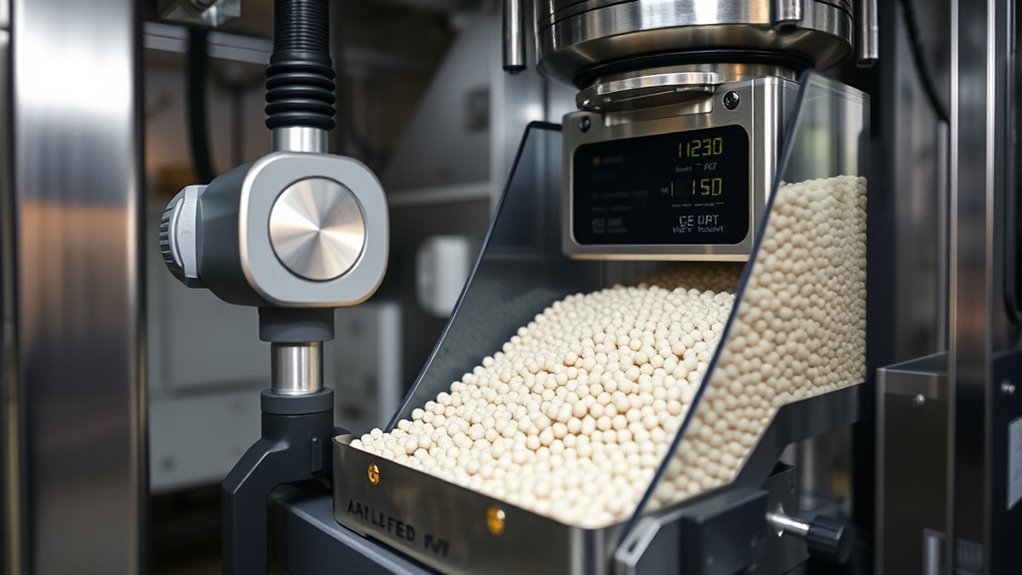
When evaluating pellet sensors and auto-feed systems, you’ll want to consider the initial costs involved. While these upgrades can seem pricey upfront, they often lead to savings over time through improved efficiency. Balancing the initial investment against long-term benefits helps ensure you get the best value for your money.
Initial Investment Expenses
Investing in pellet sensors and auto-feed systems requires a significant upfront cost, but understanding the initial expenses helps you evaluate their long-term value. The initial costs can seem intimidating, yet they’re vital for effective budget planning. Knowing what to expect allows you to make informed decisions and avoid surprises later on. Remember, these investments are about quality and efficiency, not just price.
- Feel confident in your ability to plan for future expenses
- Avoid unexpected financial stress down the line
- Recognize the value of reliable, long-lasting equipment
- Feel empowered to choose options that fit your budget now and save later
Long-term Cost Savings
Long-term cost savings become evident when you choose high-quality pellet sensors and auto-feed systems, as their durability and efficiency reduce ongoing maintenance and replacement expenses. These systems optimize fuel efficiency, helping you get more heat from each pellet load and lowering overall energy costs. Additionally, improved thermal insulation in your setup minimizes heat loss, further enhancing fuel efficiency and reducing consumption. Over time, investing in reliable sensors and auto-feed mechanisms pays off by decreasing repairs and ensuring consistent operation. While the initial expense might be higher, the savings on fuel and maintenance costs make these systems a smart financial choice. In the long run, they provide better value for money by maximizing performance and minimizing costly inefficiencies.
Future Trends in Pellet Stove Technology
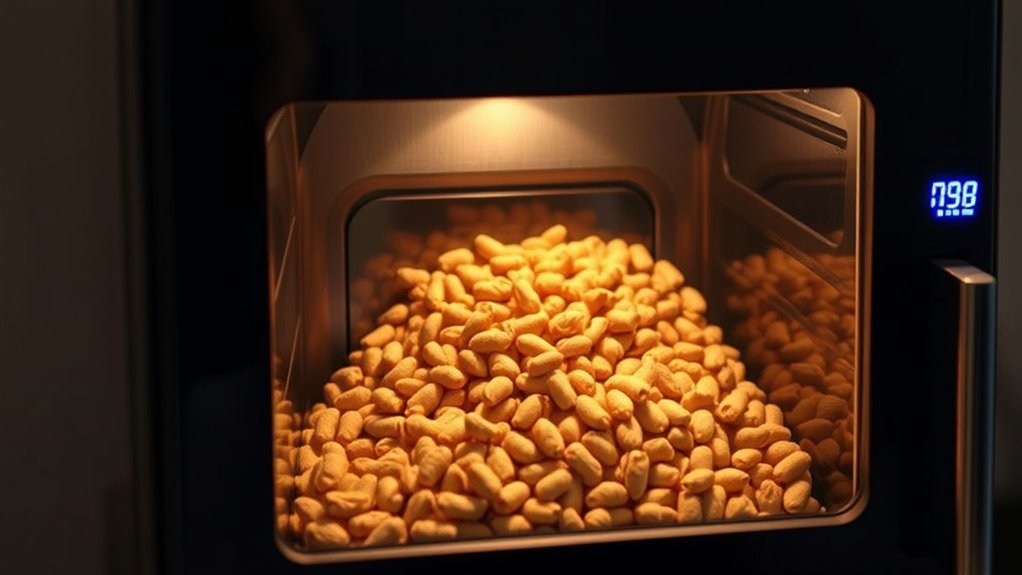
As technology advances, pellet stove systems are becoming smarter and more efficient than ever before. You can expect innovations that markedly boost energy efficiency while reducing environmental impact. Future trends include smarter sensors that optimize fuel use and adapt to your heating needs seamlessly, saving you money and energy. Enhanced auto-feed systems will become more reliable, minimizing waste and maintenance. Integration with smart home technology means you’ll control your stove remotely, ensuring comfort and convenience. These advancements will empower you to lower your carbon footprint without sacrificing warmth or comfort. With continued innovation, pellet stoves will become more sustainable and user-friendly, making eco-conscious living easier and more accessible for everyone.
Future pellet stoves will be smarter, more efficient, and eco-friendly, offering seamless control and reduced environmental impact.
- Feel confident in your eco-friendly choices
- Experience effortless, precise heating
- Save money through smarter energy use
- Contribute to a healthier planet
Frequently Asked Questions
How Do Pellet Sensors Detect Pellet Levels Accurately?
Pellet sensors detect pellet levels accurately by using sensor calibration to guarantee precise measurements. They often rely on signal processing techniques that interpret changes in electrical or optical signals when pellets are present or absent. As pellets move or settle, the sensors continuously adjust their readings, providing real-time data. This combination of calibration and advanced signal processing ensures reliable detection, preventing jams and optimizing auto-feed system performance.
Can Auto-Feed Systems Be Retrofitted to Existing Pellet Stoves?
Think of retrofitting auto-feed systems like adding a heartbeat monitor to your stove’s pulse. Yes, you can upgrade your existing pellet stove with auto-feed systems, but you’ll need to take into account pellet storage space and verify proper sensor calibration. This process involves adapting the system to fit your stove’s design, so it’s best to consult a professional for seamless integration and reliable operation.
What Safety Features Are Integrated With Pellet Sensors?
Pellet sensors include safety features like sensor calibration to guarantee accurate detection, reducing fire risk. They monitor pellet levels and alert you if supplies run low or if there’s a malfunction. This proactive approach helps prevent overfeeding or misfires, keeping your stove safe. Regular calibration and maintenance are essential to maintain these safety features, giving you peace of mind and minimizing fire hazards during operation.
Are There Environmental Impacts Associated With Pellet Sensor Technology?
Think of pellet sensors as tiny environmental detectives, but their creation isn’t eco-friendly. You might worry about environmental concerns tied to sensor manufacturing, as it can involve resource extraction and energy use. While these sensors help optimize pellet use and reduce waste, their production’s environmental footprint can’t be ignored. To minimize impact, manufacturers are exploring greener materials and energy-efficient processes, helping sensors serve both your needs and the planet’s health.
How Long Do Pellet Sensors Typically Last Before Replacement?
Pellet sensors usually last between 3 to 5 years before needing replacement. Their sensor calibration might drift over time, affecting accuracy, so regular checks are vital. Sensor durability depends on usage and environmental conditions; harsher environments can shorten lifespan. You should monitor the sensor’s performance periodically and replace it if calibration issues arise or if it shows signs of wear to guarantee ideal operation.
Conclusion
In short, pellet sensors and auto-feed systems are like the brain and heartbeat of your stove, ensuring smooth, efficient operation. They simplify your experience and boost energy savings, making your pellet stove feel like a finely tuned machine. As technology advances, expect even smarter features that will make managing your stove easier than ever. Embrace these innovations, and you’ll enjoy warmth that’s as reliable and seamless as a well-conducted symphony.