🔍 Read the full analysis: Pasta Water Is An Ingredient: Salting, Saving, And Finishing In The Pan on Mad Tasting

Get kitchen gear delivered free with Prime
- Fast, free delivery on millions of items
- Prime Video, Amazon Music and more included
- Member-only deals all year
TL;DR
Pasta water contains salt and starch released by the noodles, and a small amount can help sauce coat pasta more evenly. Save some before draining, add it gradually while tossing pasta in the pan, and taste before adding more salt. Its strength varies, so use the texture of the dish as your guide.
Mad Tasting’s guide to pasta water advises cooks to reserve some of the liquid before draining noodles and add it a little at a time while finishing pasta in its sauce. The water carries salt and starch from the pasta, which can help oil, butter, cheese or tomato sauce coat noodles more evenly; the guide cautions that the liquid’s strength varies and that too much can dilute a dish.
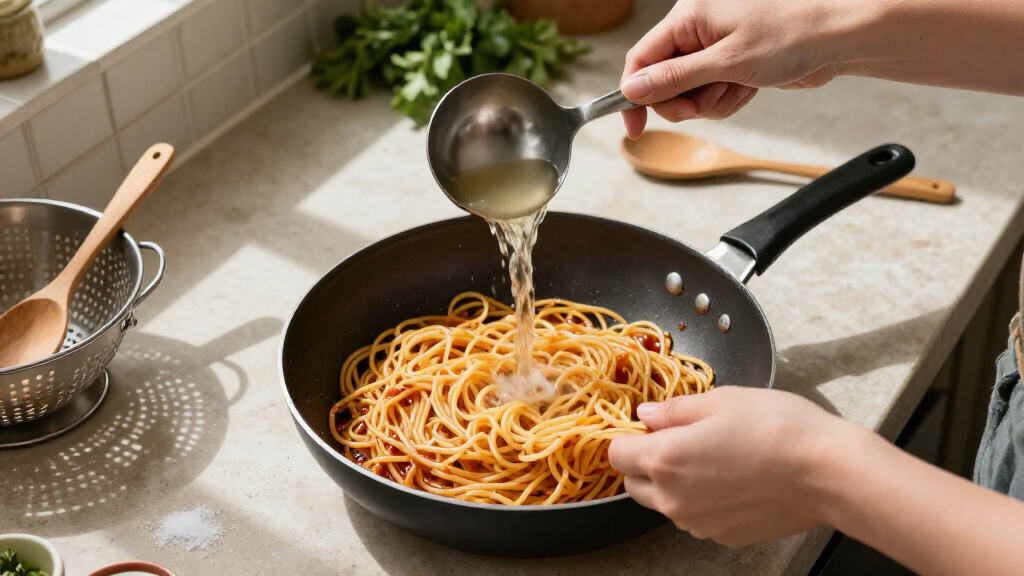
The technique is to cook pasta in seasoned water, save some of that water near the end of cooking, then move the noodles into a pan of prepared sauce while they are still slightly firm. Toss them together over heat and add a small splash of reserved water if the sauce looks tight or does not cling. A few tablespoons may be enough; the source says a cup is often plenty to have on hand for a few servings, not a target amount to pour into the pan.
Starch released from the noodles can help water and fat form a more cohesive coating when the ingredients are heated and tossed together. That may make an oil-based sauce look less separated or help a thick tomato sauce move into pasta’s ridges. The water is a texture-adjusting ingredient, not a guaranteed fix: if a sauce is already loose, adding more can dilute it, and the liquid alone does not make every sauce creamy.
The guide recommends setting out a heat-safe cup or mug before the pasta is ready. Scoop out water before draining or transferring the noodles, then taste the dish after the sauce and pasta come together. Salt in the cooking water can combine with salty ingredients such as pecorino, anchovies, olives or cured meat, so cooks should adjust to the finished dish rather than rely on a universal ratio.
Pasta water is an ingredient Finish the sauce in the pan
Salt and starch in reserved pasta water can help sauce coat noodles. Add it gradually and let the texture guide you.
What the water does
Starch can help water and fat form a more cohesive coating when heated and tossed.
Helps sauce cling
A splash may help oil-based sauce look less separated or thick tomato sauce reach pasta’s ridges.
Texture, not a fix-all
It can loosen a tight sauce, but too much may dilute it and it does not make every sauce creamy.
From pot to pan
Prepare the sauce before the pasta finishes, then adjust as everything comes together over heat.
Scoop some into a heat-safe cup near the end of cooking, before draining.
Transfer pasta while slightly firm and toss it with the prepared sauce over heat.
Use reserved water only if the sauce looks tight or does not cling; stop when it coats without pooling.
Strength varies
Pasta type, cooking time and water volume affect the starch and salt in the liquid.
- Check the finished dish before adding more salt.
- Pecorino, anchovies, olives and cured meat add salt too.
- A thinner sauce can become watery with extra liquid.
- Judge the pan as you toss; there is no fixed amount for every recipe.
Why a Little Water Changes the Finish
For home cooks, the method offers a practical way to adjust a sauce’s consistency without reaching immediately for more oil, butter or cream. When a sauce is too thick to coat the noodles, a little reserved water may help it spread; when oil and water appear separate, tossing them together with the pasta can produce a more even finish. The key is gradual adjustment, because the same addition that loosens a thick sauce can make a thin one watery.
The advice also connects seasoning and texture. Pasta water carries salt, and some of it may reduce as the pasta finishes in the pan. A dish that tastes balanced before adding cheese or cured meat can become too salty afterward. Saving the liquid and tasting near the end gives cooks more control over both salt level and sauce consistency, rather than treating pasta water as a fixed recipe measurement.
Products Worth Considering

KitchenAid 5.5-Qt Bowl-Lift Stand Mixer, Porcelain White

Ninja CREAMi Scoop & Swirl 13-in-1 Ice Cream and Soft Serve Maker, NC701

Vitamix VX1 Professional-Grade Blender, 64 oz, Black
As an affiliate, we earn on qualifying purchases.
From Boiling Pot to Sauce Pan
The source frames pasta water as part of a broader practice of finishing pasta in its sauce, rather than simply draining noodles and serving them with sauce on top. Its examples include garlic and olive oil, butter, thick tomato sauce, and cacio e pepe. In each case, the intended result is a sauce that coats the pasta instead of collecting separately in the bowl. Heat and tossing matter alongside the water; the liquid is one part of the finishing process.
How concentrated the water is can change with the pasta and cooking method. Dried and fresh pasta release different amounts of starch, and the amount of water used and cooking time also affect the liquid. The guide says using a somewhat smaller volume of water can make it starchier, while still leaving enough room for the noodles to cook and be stirred. It does not give a fixed concentration or promise a particular result, so cooks are advised to judge the pan as they work.
“Think of the water as a seasoning and texture tool.”
— Mad Tasting
Why the Water’s Strength Varies
The source does not specify a single salt ratio, starch concentration or amount of pasta water that works for every recipe. It says the liquid changes with pasta type, cooking time and water volume, and that salty additions can alter the finished dish. The exact amount needed therefore remains a matter of tasting and adjusting during cooking. The guidance is practical cooking advice, not a reported experiment comparing measured results.
The Final Adjustment Happens in the Pan
The next step for cooks following the method is to prepare the sauce before the pasta finishes, reserve water just before draining, and transfer the noodles while they are still slightly firm. Toss them with the sauce over heat, adding reserved water in small splashes only when needed. Taste before adding more salt, particularly when the recipe includes cheese, anchovies, olives or cured meat. Stop adding liquid once the sauce coats the pasta without pooling or becoming thin.
Key Questions
How much pasta water should I save?
The guide suggests keeping about a cup available for a few servings, while noting that you may use only a few tablespoons. The amount depends on the sauce and how concentrated the water is.
When should I reserve pasta water?
Scoop it out near the end of cooking and before draining or transferring the pasta. Setting out a heat-safe cup beforehand helps avoid losing the water down the drain.
Does pasta water make every sauce creamy?
No. The starch can help water and fat form a more cohesive coating, but the guide says pasta water does not magically make every sauce creamy or fix an unbalanced sauce.
Should I add more salt after using pasta water?
Taste the finished dish first. Pasta water contains salt, and ingredients such as pecorino, anchovies, olives and cured meat can add more. Add extra salt only if the dish needs it.
Source: Mad Tasting