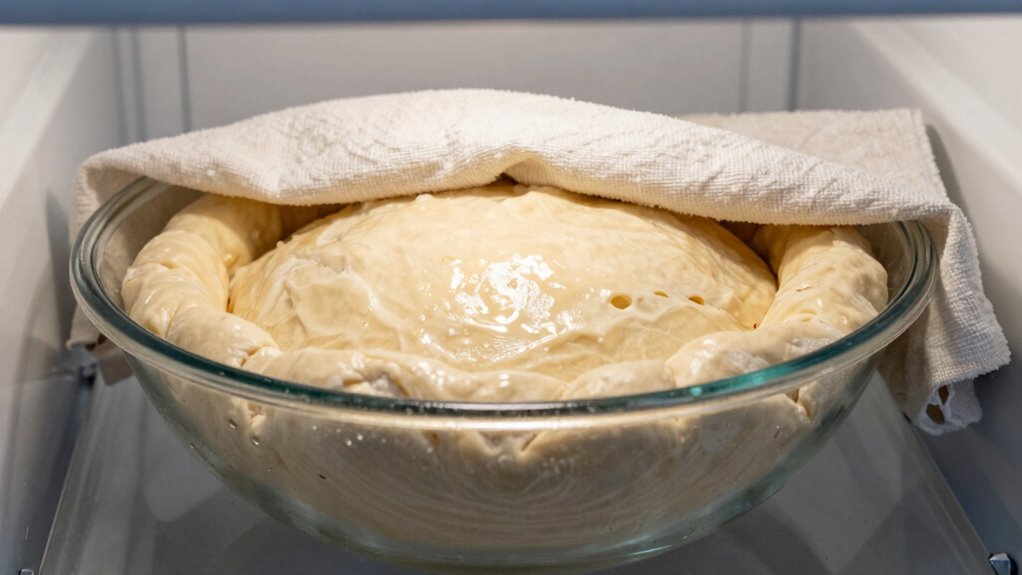

Cold fermentation is definitely worth the wait because it boosts flavor, improves dough texture, and creates a lighter, crispier crust. The slow process helps yeast develop deeper, more complex flavors, making your pizza taste richer and more satisfying. It also makes the dough easier to work with and enhances aroma. If you want a better pizza experience, investing time in cold fermentation is a smart move. Keep exploring to discover how to get the most out of this method.
Key Takeaways
- Cold fermentation enhances flavor complexity and develops richer aroma in pizza crust.
- It improves dough texture, elasticity, and makes shaping easier.
- The process requires 24-72 hours, demanding patience but delivering superior results.
- Extended fermentation creates a crisper crust and lighter, airier interior.
- Despite the wait, it produces a tastier, more satisfying pizza experience worth the effort.
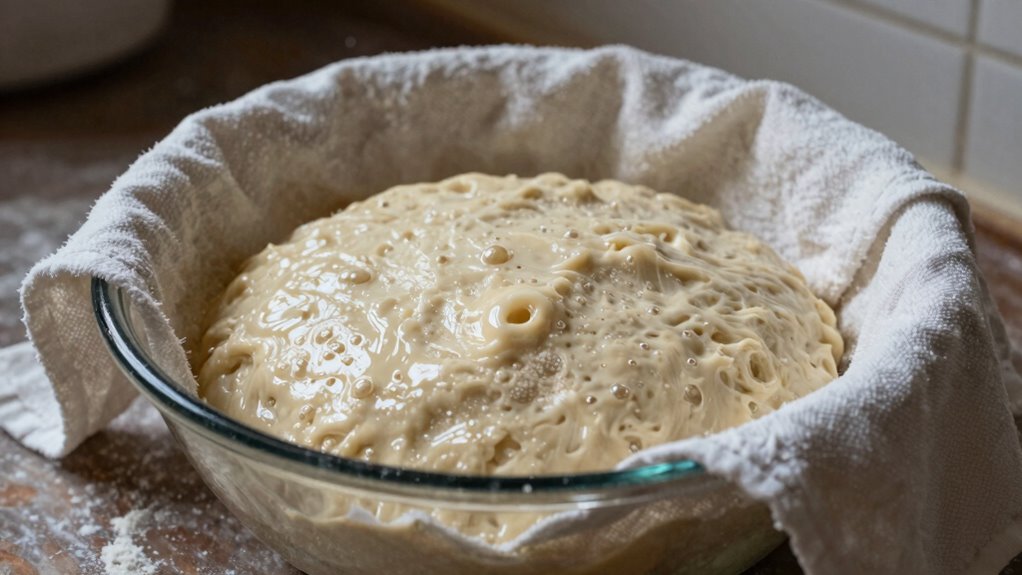
Cold fermentation is a popular technique among pizza enthusiasts because it enhances flavor and improves dough texture. When you let your dough ferment slowly in the refrigerator, you’re allowing yeast activity to proceed at a much slower rate. This gradual fermentation process gives the yeast more time to break down complex carbohydrates, which leads to a deeper, more complex flavor profile in your crust. Instead of the quick rise you get with warm fermentation, cold fermentation encourages a more nuanced taste that can’t be achieved in a shorter time frame. As the yeast slowly consumes sugars, it produces subtle byproducts that contribute to the dough’s rich aroma and delicious taste, making each bite more satisfying.
One of the biggest advantages of cold fermentation is the significant dough flavor development it promotes. Because fermentation happens slowly, the dough develops layers of flavor that are simply not as pronounced in faster methods. This process allows enzymes in the flour to break down proteins and starches more thoroughly, resulting in a dough that’s not only tastier but also easier to work with. When you take the time to cold ferment, you’ll notice that your dough has a better elasticity and a more refined texture, which translates into a crisper crust and a lighter, airier interior once baked. This flavor depth is particularly appreciated by pizza connoisseurs who want a crust that’s more than just a vehicle for toppings. Additionally, proper fermentation control ensures the process remains consistent and safe.
While waiting for your dough to ferment in the fridge requires patience, it’s a small investment for the quality of pizza you’ll end up with. The extended fermentation period, usually 24 to 72 hours, allows the yeast to work slowly and steadily, producing a more complex flavor and improving dough texture. During this time, you might notice the dough becoming slightly sticky or developing a tangy smell—both signs that the fermentation is progressing well. Many bakers swear by cold fermentation because it not only heightens flavor but also results in a dough that’s easier to handle and shape. Plus, you can prepare your dough in advance, saving time on the day you want to bake in the oven. Furthermore, full audit trails and security measures can be implemented in digital systems managing recipe data and fermentation schedules, ensuring consistency and safety.
Furthermore, cold fermentation can help improve the digestibility of the dough, making it a healthier choice for those with sensitivities. In the end, whether the wait is worth it depends on your priorities. If you’re after a crust with rich, developed flavor and a superior texture, then cold fermentation is definitely worth the extra time. It’s a simple technique that transforms a basic dough into something much more complex and satisfying. The slow yeast activity during cold fermentation unlocks flavors that are hard to achieve otherwise, elevating your homemade pizza to a new level. So, if you’re willing to be patient, you’ll be rewarded with a pizza that’s far more flavorful and enjoyable to eat.

Brod & Taylor Proofing Container (2 Pack) With 6L Capacity, Fits Up to 3000 Grams of Dough – Dough Rising Box for Bread, Sourdough & Pizza (Dishwasher Safe, BPA-Free)
- Professional Proofing at Home: Mix, proof, and fold in one container
- Easy Dough Rise Tracking: Translucent walls with volume markings
- Maintains Humidity for Better Rise: Sealed lid preserves moisture and temperature
As an affiliate, we earn on qualifying purchases.
As an affiliate, we earn on qualifying purchases.
Frequently Asked Questions
Can Cold Fermentation Be Used for Gluten-Free Pizza Dough?
Yes, you can use cold fermentation for gluten-free pizza dough. It helps improve gluten development, even in gluten-free flours, by allowing flavors to deepen and texture to enhance. The slow fermentation process gives the dough more structure and chewiness, making your pizza crust more satisfying. Just make certain you’re using the right gluten-free flour blend, and give it enough time in the fridge for the best results.
How Does Cold Fermentation Affect Dough’s Nutritional Value?
Surprisingly, cold fermentation can boost your dough’s nutritional value. As fermentation enzymes break down complex carbs and proteins, your dough becomes easier to digest and preserves more nutrients. Plus, the slow process enhances flavor, making your pizza tastier. The longer fermentation allows beneficial bacteria to develop, enriching the dough’s profile. So, while you wait, you’re actually improving both flavor and nutrition, turning simple ingredients into a healthier, more delicious crust.
Is Cold Fermentation Suitable for Quick Pizza Recipes?
Cold fermentation isn’t ideal for quick pizza recipes because it requires at least 12 to 72 hours, which delays your preparation. If you’re after quick preparation, warm fermentation speeds up the process but may sacrifice some flavor development. Cold fermentation enhances flavor complexity, so if you’re willing to wait, it’s worth it. For speed, opt for quicker methods, but don’t expect the same depth in taste.
What Are the Signs of Over-Fermentation in Cold Dough?
If your cold dough shows over-proofing signs, you’ll notice it’s overly bubbly, has a sour smell, and may have a sticky or slack texture. Be cautious—dough collapse can occur if it’s over-fermented, making it unable to hold its shape. You might also see a flattening or deflation of bubbles. To avoid this, keep an eye on fermentation time and temperature, and don’t let your dough sit too long.
Can I Freeze Cold-Fermented Dough for Later Use?
Yes, you can freeze cold-fermented dough for later use. Before freezing, confirm the dough has developed good elasticity and has completed its fermentation timing. Shape it into a ball, wrap it tightly in plastic wrap or a freezer bag, and freeze. When you’re ready to use it, thaw in the refrigerator overnight, then let it come to room temperature before stretching. This preserves the dough’s qualities and makes baking convenient.

Hans Grill Pizza Dough Proofing Box – Pack of 2 Stackable BPA-Free Trays with Covers – Perfect as a Bread Proofing Box and Dough Container – Premium Quality Pizza Storage Container (2 Pack Large)
- Keeps Dough Fresh: Maintains optimal dough texture and freshness
- Large Capacity: Holds up to 6 dough balls per container
- Versatile Storage: Suitable for dough, fruits, and vegetables
As an affiliate, we earn on qualifying purchases.
As an affiliate, we earn on qualifying purchases.
Conclusion
Cold fermentation transforms your pizza dough into a symphony of flavor, patiently waiting to reveal its full potential. While it takes time, the depth and complexity it brings are worth every minute that passes like a gentle wave. Embrace the wait, and you’ll be rewarded with a crust that sings with taste and texture. Sometimes, the best things in life are worth the slow dance, turning simple ingredients into a masterpiece that delights every bite.
Hans Grill Pizza Dough Proofing Box – Pack of 2 Stackable BPA-Free Trays with Covers – Perfect as a Bread Proofing Box and Dough Container – Premium Quality Pizza Storage Container (2 Pack Large)
- Keeps Dough Fresh: Maintains optimal dough texture and freshness
- Large Capacity: Holds up to 6 dough balls per container
- Versatile Storage: Suitable for dough, fruits, and vegetables
As an affiliate, we earn on qualifying purchases.
As an affiliate, we earn on qualifying purchases.
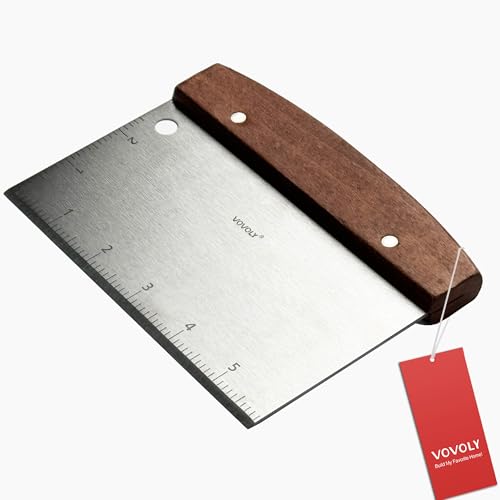
Vovoly Multipurpose Bench Scraper Kitchen Utensil for Flat Top Griddle, Dough Scraper Cutter for Bread and Pizza Cutter – Stainless Steel Metal Griddle Scraper Chopper
- Material: Thickened stainless steel for durability
- Edge Design: Precision beveled, knife-grade steel edge
- Handle: Ergonomic, non-slip wooden grip
As an affiliate, we earn on qualifying purchases.
As an affiliate, we earn on qualifying purchases.