
Bitter smoke flavors on BBQ are caused by using the wrong type of wood or burning unseasoned, green wood. Soft or resin-rich woods like pine and cedar create harsh, acrid smoke that taints your meat. Additionally, burning excess moisture in fresh wood produces more creosote, which contributes to bitterness. Controlling smoke temperature and airflow is essential for cleaner-burning fires. If you want to master the art of smooth, flavorful smoke, keep these tips in mind and explore further.
Key Takeaways
- Burning unseasoned or green wood releases creosote and tar, which cause bitter smoke flavor.
- Using soft or resinous woods like pine produces harsh, acrid smoke that affects taste.
- Excessive heat creates thick, bluish smoke with undesirable chemicals, leading to bitterness.
- Frequent opening of the smoker disrupts temperature and airflow, resulting in uneven, bitter smoke.
- Inconsistent or improper airflow causes incomplete combustion, increasing bitter-tasting chemical production.
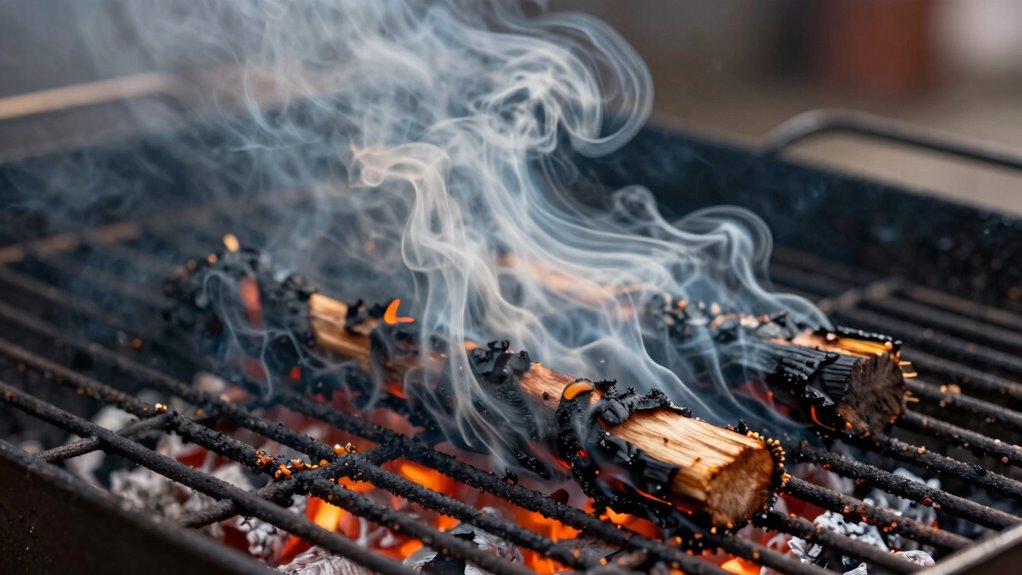
Bitter smoke flavor on BBQ can easily ruin an otherwise delicious meal, and understanding its causes is key to avoiding it. One major factor that influences the bitterness is the type of wood you choose for smoking. Not all woods are suitable for BBQ; some produce harsh, acrid smoke that can impart a bitter taste. Hardwoods like oak, hickory, and fruitwoods such as apple or cherry generally produce a clean, smooth smoke when burned properly. In contrast, softer woods like pine, cedar, or any wood with a high resin content release sap and creosote, which are responsible for bitter, unpleasant flavors. When selecting wood, always opt for seasoned, kiln-dried options to reduce moisture content. Fresh or green wood contains excess water that causes uneven burning and produces more creosote, which contributes to bitterness. Properly seasoned wood burns cleaner and yields a more balanced smoke flavor, helping you avoid those unwanted bitter notes. Additionally, wood combustion quality plays a significant role in the flavor outcome, so monitoring how your wood burns can make a difference. Using well-seasoned wood also reduces the production of unwanted chemicals, leading to a cleaner smoke and better flavor. Moreover, paying attention to the fuel-to-oxygen ratio can help ensure more complete combustion, further reducing bitter compounds in your smoke. Maintaining consistent airflow and avoiding sudden temperature spikes can also improve combustion efficiency and minimize bitterness.
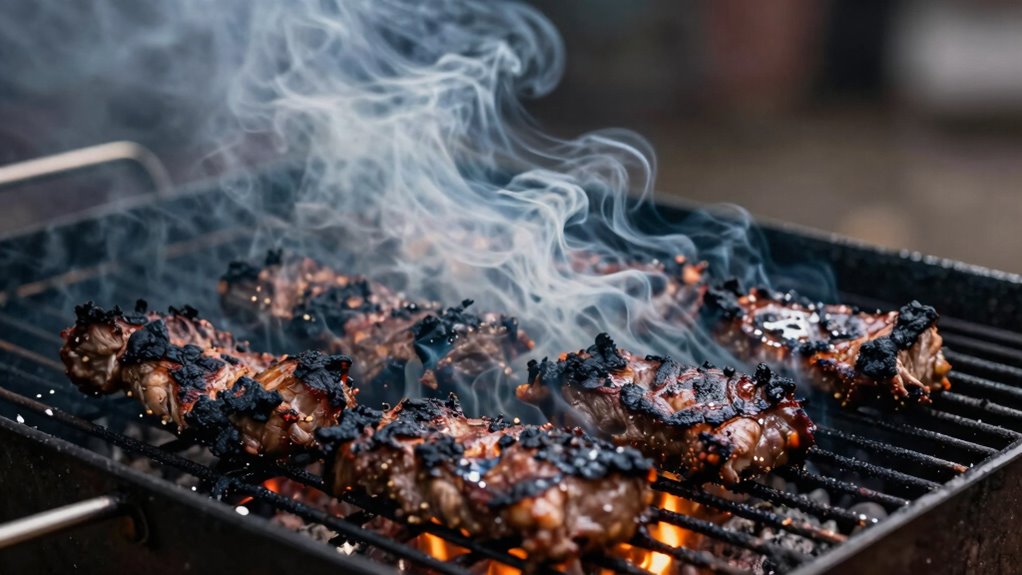
Another critical element is the smoke temperature, which directly impacts the quality of smoke produced during cooking. If your smoker runs too hot or if you generate excessive heat while adding wood, the combustion becomes uncontrolled, leading to thick, bluish, or almost black smoke. This type of smoke is rich in tar and creosote, which can settle on your meat and give it a bitter taste. Maintaining a steady, low temperature—usually around 225 to 250°F—is essential to produce thin, blue smoke that burns cleanly. When the temperature is too high, the wood releases a harsher, more bitter smoke, overwhelming the natural flavors of your meat. Using a reliable thermometer and adjusting your airflow can help keep the smoke at an ideal temperature. Also, avoid opening the smoker frequently or adding too much wood at once, as this can cause temperature fluctuations and create uneven burning, resulting in bitter smoke. Additionally, understanding the science of combustion can help you better control the smoke quality and flavor outcome.
In essence, selecting the right wood types and controlling your smoke temperature are the most effective ways to prevent bitterness. Properly seasoned hardwoods burned at a consistent, moderate temperature produce a clean, flavorful smoke that enhances your BBQ without overpowering it. When you pay attention to these details, you’ll notice a significant difference in flavor, and your barbecue will turn out tender, juicy, and free of that bitter aftertaste. Mastering these aspects isn’t complicated, but it does require some care and patience. Once you get the hang of it, you’ll enjoy perfectly smoked meats every time, without the bitterness that can ruin an otherwise great meal.
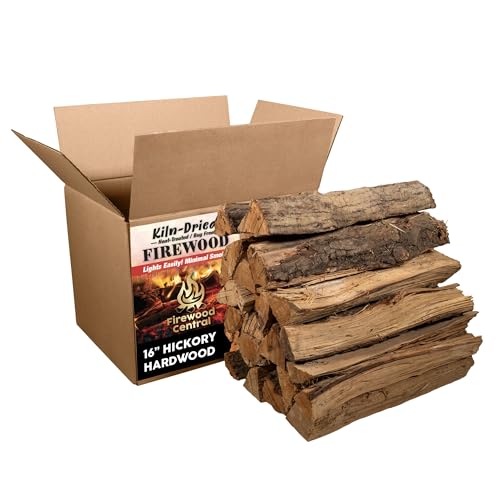
Firewood Central Kiln-Dried PA Hickory – 16” Splits (Approx. 38 lb) – Long Burn, Smoking Wood for Cooking, Grills & Fire Pits – Easy Light, Low Smoke, USA-Sourced
Signature Bold & Hearty Smoke – Delivers rich, robust flavor for ribs, brisket, red meat, and game, perfect…
As an affiliate, we earn on qualifying purchases.
As an affiliate, we earn on qualifying purchases.
Frequently Asked Questions
Can Using the Wrong Type of Wood Cause Bitter Smoke?
Yes, using the wrong type of wood can cause bitter smoke because poor wood selection often results in high smoke intensity and harsh flavors. When you choose woods like green or resinous varieties, they produce a bitter, acrid smoke that negatively impacts your BBQ. To avoid this, select seasoned, hardwoods like oak or hickory, which provide a balanced smoke that enhances flavor without bitterness. Proper wood choice is key to great-tasting BBQ.
How Does Meat Preparation Impact Smoke Flavor?
Think of your meat as a sponge, enthusiastic to soak up the smoky symphony. Proper preparation enhances flavor absorption, allowing the smoke to dance beautifully with your meat’s surface. When you season and dry your meat correctly, it becomes tender and receptive, amplifying smoky notes instead of bitterness. Skipping these steps leaves the meat less receptive, resulting in a flat flavor and missed opportunities for a harmonious barbecue experience.
Does the Age of the Smoker Affect Smoke Bitterness?
Yes, the age of your smoker can influence smoke bitterness. Older smokers may have accumulated residue, which can produce harsher, more bitter smoke if not properly maintained. Regular smoker maintenance guarantees clean airflow and reduces unwanted flavors. Additionally, your fuel selection matters; using damp or poorly seasoned wood can generate bitter smoke. Keep your smoker clean and choose quality, dry fuel to avoid bitterness and enhance your BBQ flavor.
Are Certain Marinades More Likely to Produce Bitter Smoke?
Certain marinades can turn your smoke into a bitter brew, like a spoiled potion bubbling over. Marinade composition heavily influences flavor absorption; acidic ingredients like vinegar or citrus can cause harsh, bitter notes when smoked. Opt for balanced marinades with gentle flavors, avoiding excessive acids or sugars that burn easily. This way, your BBQ will have a harmonious smoky flavor, not a bitter, charred curse.
How Can I Prevent Bitterness When Using Wood Chips?
To prevent bitterness when using wood chips, focus on proper flavor enhancement and smoke absorption. Soak your wood chips in water for at least 30 minutes before grilling to slow down combustion and reduce harsh smoke. Use the right amount of wood—too much can cause bitter flavors. Maintain a steady, moderate heat, and avoid over-smoking, which can lead to overpowering, bitter smoke. This guarantees a balanced smoky flavor without bitterness.

2 Pack BBQ Grill Temperature Gauge, 3 inch Dial Face Charcoal Grill Pit Smoker Thermometer Gauge BBQ Temp Gauge Grill Thermometer
3-1/8 inch large dial barbecue grill smoker pit thermometer gauge
As an affiliate, we earn on qualifying purchases.
As an affiliate, we earn on qualifying purchases.
Conclusion
So, if your BBQ’s turning bitter, it’s like tasting ash instead of smoky bliss. That harsh flavor often sneaks in when you burn your wood too hot or use damp, dirty chunks that smolder instead of smoke. Think of it as your grill’s way of throwing a temper tantrum—fighting you with bitter notes. To keep that smoky sweetness shining through, treat your wood gently, keep it dry, and let it whisper its flavor magic slowly.

Weber Apple Wood Chunks Outdoor Cooking Fuel, 4 lb – Premium BBQ Smoking & Grilling Chips for Subtle, Sweet Apple Flavor – Ideal for Beef, Lamb, Poultry, Pork & Fish – Long Lasting
Subtle Sweet flavor
As an affiliate, we earn on qualifying purchases.
As an affiliate, we earn on qualifying purchases.

ChefsTemp Breezo V2 BBQ Temperature Control Fan for Smokers and Grills, Wireless App Control Automation with ProTemp S1 & ProTemp 2 Plus Compatibility
Precise Temperature Control: Automatically regulates airflow to maintain consistent ambient temperatures in your smoker or grill, eliminating manual…
As an affiliate, we earn on qualifying purchases.
As an affiliate, we earn on qualifying purchases.