Using pizza stones or steels really changes your final crust by improving heat transfer and promoting a better crust. They mimic traditional brick ovens, creating intense, even heat that browns and crispens the bottom more effectively. Proper preheating is key to maximizing their benefits and achieving pizzeria-quality results. With the right surface and technique, you’ll notice a crispier, more evenly browned crust. Keep exploring to discover how to get the most from your baking setup.

Get kitchen gear delivered free with Prime
- Fast, free delivery on millions of items
- Prime Video, Amazon Music and more included
- Member-only deals all year
Key Takeaways
- Pizza stones and steels provide intense, even heat, promoting a crispier, more evenly browned crust.
- Preheated surfaces retain heat, enhancing crust color, texture, and overall baking efficiency.
- They create a thermal mass that supports consistent heat transfer during baking.
- Using these surfaces results in a more professional, pizzeria-style crust with improved crispiness.
- Proper preheating and surface choice significantly influence crust final appearance and texture.
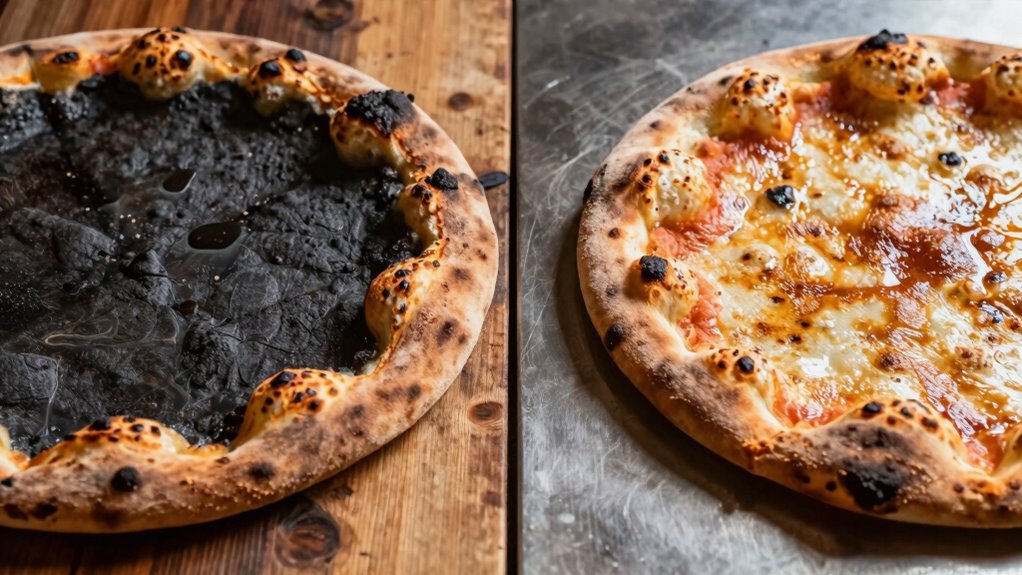
Achieving the perfect pizza crust often hinges on the right baking surface, which is where pizza stones and steels come into play. These tools can profoundly influence your crust’s texture, but they don’t work alone. Your dough’s hydration level and oven temperature are just as essential in shaping the final outcome. When you use a pizza stone or steel, you’re creating a surface that mimics a traditional brick oven, providing intense heat and even distribution. This helps your crust develop that desirable crispiness and a nicely browned bottom. But to truly maximize their benefits, you need to pay attention to your dough’s hydration. Understanding how baking surfaces influence heat transfer is key to optimizing your pizza results. A well-hydrated dough—meaning one with a higher water content—creates a more elastic and supple base that can handle the rapid, high-heat baking these surfaces excel at. Proper dough hydration ensures steam is generated during baking, which helps develop a light, airy crumb and contributes to that crispy exterior. If your dough is too dry, even the best pizza stone or steel won’t produce the ideal crust, as it won’t have enough moisture to create steam or develop the right texture. Conversely, overly wet dough can be difficult to handle and may result in a crust that’s chewy or doesn’t crisp properly. Striking the right balance in dough hydration is essential for those crisp, bakery-quality results. Additionally, the thermal mass of the baking surface plays a significant role in maintaining consistent heat transfer and ensuring even cooking. This concept is closely tied to the contrast ratio in home appliances, which affects how well heat is retained and distributed during baking. Knowing how to preheat your baking surface thoroughly is crucial—preheating for at least 30 minutes ensures it’s fully heated and ready to transfer that heat to your dough quickly. A preheated surface also helps to minimize heat loss, ensuring the crust develops a beautiful color and texture. This rapid heat transfer promotes Maillard browning, creating that beautiful crust color and texture. If your oven isn’t hot enough, or if you don’t preheat your stone or steel sufficiently, you won’t see the full benefit. The crust can turn out pale, chewy, or lacking the crunch you’re aiming for. In the end, pizza stones and steels do change the final crust, but they’re most effective when combined with the right dough hydration and oven temperature. They serve as an excellent foundation for a crispy, flavorful crust, but your success depends on balancing these elements. With the right preparation, you’ll notice your homemade pizza crust transform into something that rivals a professional pizzeria.
As an affiliate, we earn on qualifying purchases.
Frequently Asked Questions
How Do Pizza Stones and Steels Compare in Heat Retention?
Pizza steels generally have better heat retention than stones because of their superior heat conduction, allowing for faster, more even heating. Steels are also highly durable, resisting cracking and chipping over time. Stones retain heat well but take longer to heat up and can crack under sudden temperature changes. Overall, steels offer quicker heat transfer and durability, making them a popular choice for achieving a crispy crust.
Can Using a Pizza Stone or Steel Affect Baking Time?
Using a pizza stone or steel can affect your baking time, especially if you adjust oven temperature or dough hydration. Because these surfaces retain heat better, they can speed up baking, meaning you might need to reduce oven temperature or baking time slightly. Higher dough hydration may also influence how quickly your crust crisps. Keep an eye on your pizza to prevent over-baking, and tweak your settings as needed for perfect results.
Are There Differences in Cleaning Methods for Stones Versus Steels?
Yes, there are differences in cleaning methods for stones versus steels. For cleaning pizza stones, avoid soap and use a stiff brush or scraper to remove food residue, then let it cool completely before storing. Steel surfaces can be cleaned with warm water and a non-abrasive scrubber, and they’re dishwasher safe for easy maintenance. Follow these maintenance tips to keep your tools in top shape and guarantee peak baking performance.
Do Different Materials Influence the Flavor of the Crust?
Different materials can influence the flavor of your crust through subtle flavor enhancement, especially if the material imparts a slight metallic or earthy taste over time. While pizza stones and steels are durable, their material durability guarantees consistent heat transfer, which improves crust texture and flavor. Selecting high-quality, well-maintained stones or steels helps you achieve a better, more flavorful crust, making your pizza taste even more delicious.
Which Option Is Better for Outdoor Pizza Making?
For outdoor pizza making, a pizza steel is your best bet—imagine transforming your outdoor setup into a pizzeria that could rival the world’s best! Steel heats faster, retains heat longer, and handles the rugged outdoors with unmatched durability. It’s the ultimate equipment choice, making your crust crispier and more evenly cooked. Plus, its toughness means it’s built to last through countless backyard pizza nights, making every slice legendary.
As an affiliate, we earn on qualifying purchases.
Conclusion
In the end, pizza stones and steels are your secret weapons for achieving that bakery-quality crust. Think of them as the oven’s best friends, transforming a simple dough into a crispy masterpiece. Whether you choose a stone or a steel, both are like a magic wand that’s ready to turn your kitchen into a pizzeria. So go ahead, harness their power, and bake your way to crust perfection—your taste buds will thank you.
As an affiliate, we earn on qualifying purchases.
As an affiliate, we earn on qualifying purchases.
Halloween Picks
halloween
As an affiliate, we earn on qualifying purchases.