To manage a long overnight smoke safely, thoroughly inspect and maintain your smoker before starting, ensuring vents, seals, and fuel sources are in good shape. Keep a fire extinguisher nearby, and develop a clear safety plan in case of emergencies. Position your smoker in a well-ventilated area away from combustibles and keep tools and remote monitors handy. Continuous vigilance is key, and if you continue, you’ll discover even more tips for a safe, successful overnight smoke.
Key Takeaways
- Conduct thorough initial safety inspections of the smoker, including vents, seals, and firebox integrity.
- Maintain continuous vigilance with remote monitoring tools and keep fire extinguishers nearby.
- Organize fuel and tools for easy access and control during the entire overnight smoking process.
- Position the smoker in a well-ventilated area away from combustible materials and ensure proper smoke dispersion.
- Follow a comprehensive fire safety plan, including perimeter setup and ongoing safety checks throughout the night.

When you’re planning a long overnight smoke, preparation is key to guarantee your meat stays tender and flavorful throughout the night. One of the most important aspects of your plan involves fire safety. You want to keep your smoking environment secure and prevent any hazards from developing. Before you start, inspect your smoker thoroughly. Check that all vents, seals, and connections are tight and functioning properly. Make sure your firebox or heating element is in good condition, with no cracks, rust, or damage that could cause flare-ups or leaks. Keep a fire extinguisher nearby and know how to use it. Having a fire safety plan in place helps you react quickly if something goes wrong, minimizing risk to you and your surroundings.
Equipment maintenance is equally critical. Well-maintained equipment ensures consistent temperatures and reduces the chances of malfunction during an overnight smoke. Clean your smoker thoroughly before you begin. Remove any old ash, grease, or debris that could ignite or interfere with airflow. Check your fuel source—whether charcoal, wood, or pellets—and guarantee you have enough to last through the night. For pellet smokers, verify that the auger and heating element are clean and functioning properly to prevent interruptions. If you’re using a charcoal or wood smoker, fill the firebox with fresh, quality fuel to maintain steady heat. Proper equipment maintenance not only promotes safety but also improves the efficiency of your smoke, leading to better flavor and tenderness.
As you prepare to start, arrange your fire and fuel in a way that allows for easy control and refueling if needed. Keep tools like tongs, thermometers, and heat-resistant gloves within reach. Monitoring your smoker regularly during the night can be challenging, but a good digital thermometer with remote monitoring helps you stay informed without disturbing the process. Also, consider setting up a perimeter around your smoker to keep animals or children at a safe distance. Remember, fire safety isn’t just about initial precautions; it’s an ongoing responsibility throughout the entire process.
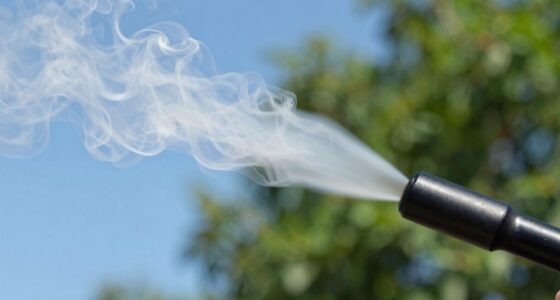
Finally, think about ventilation and placement. Position your smoker in a well-ventilated area, away from overhanging branches or structures that could catch fire. Make sure your smoke is escaping freely and that the surrounding area is free of combustible materials. Maintaining good ventilation not only ensures proper smoke dispersion but also reduces the risk of dangerous buildup around your smoker. With proper fire safety measures and diligent equipment maintenance, you can enjoy a peaceful overnight smoke, confident that your setup is secure and your meat will turn out delicious.

Walfos Silicone Trivet Mats - 4 Heat Resistant Pot Holders, Multipurpose Non-Slip Hot Pads for Kitchen Potholders, Hot Dishers, Jar Opener, Spoon Holder, Food Grade Silicone & BPA Free (Black)
NON-SLIP AND HIGH HEAT RESISTANT: These trivets for hot dishes are heat-resistant from -104℉ to 446℉, Protect your...
As an affiliate, we earn on qualifying purchases.
Frequently Asked Questions
What Are the Best Types of Wood for Overnight Smoking?
You should choose hardwoods like hickory, oak, or fruitwoods for overnight smoking. These wood types produce a steady, consistent smoke flavor that enhances your meat without overpowering it. Avoid softwoods like pine, which can create unpleasant flavors and harmful chemicals. Using hardwoods guarantees a clean, delicious smoke flavor throughout the long process, helping you achieve perfectly smoked meat while maintaining safety and quality overnight.
How Do I Prevent Smoke From Escaping During an Overnight Smoke?
To prevent smoke from escaping during an overnight smoke, make sure to maintain proper ventilation strategies. Use a well-sealed lid or smoker door to contain the smoke odor, and keep vents partially closed to control airflow without letting smoke escape. Regularly check for leaks or gaps, and use fire-resistant sealant if needed. This helps sustain consistent smoke, reduces odor, and guarantees a safe, efficient overnight smoking process.
Is It Safe to Sleep While My Smoker Is Running Overnight?
It’s generally safe to sleep while your smoker runs overnight if you prioritize fire safety and equipment monitoring. Make sure your smoker is on a stable surface, free of flammable materials, and that all vents and seals are secure. Use a reliable thermometer and set up smoke alarms nearby to alert you to any issues. Regularly check the smoker before bed, and avoid leaving unattended if you notice any signs of malfunction.
How Do I Maintain Consistent Temperature Throughout the Night?
Think of your smoker like a steady ship on calm waters; you keep it on course with temperature stability and airflow control. To maintain this overnight, monitor vents regularly, adjust airflow to counteract fluctuations, and use a reliable thermometer. Consider investing in a smoker with digital controls or an automatic temperature controller. Consistent heat is your anchor, ensuring your smoke stays smooth and your meat perfect.
What Are Common Signs of Equipment Failure During a Long Smoke?
You’ll notice signs of equipment failure if you see smoke leakage or sudden temperature fluctuations. Smoke leakage indicates a seal breach, risking inconsistent smoke and unsafe conditions. Temperature fluctuations can signal a malfunctioning thermostat or damaged venting, which could compromise your cook. Regularly check for these signs, and address any leaks or irregularities promptly to keep your long smoke safe and on track throughout the night.

Kodreat 4 Pack Silicone Trivets for Hot Dishes, Heat-Resistant Non-Slip Hot Pads for Kitchen Countertops and Tables, Food-Grade Thick Silicone Mats (Black)
Heat-Resistant Silicone Trivets for Hot Pots & Pans – Protect your countertops, tables, and kitchen surfaces from extreme...
As an affiliate, we earn on qualifying purchases.
Conclusion
Remember, managing a long smoke overnight is like tending a delicate fire—you need patience and vigilance to keep it burning safely. With the right precautions and a watchful eye, you can enjoy your experience without letting things get out of hand. Think of your efforts as a sturdy bridge, connecting safety and enjoyment. Stay attentive, follow these tips, and your overnight smoke will be a smooth journey rather than a risky voyage.

SMARTAKE 6 Set Silicone Trivet Mats for Hot Dishes, Heat Resistant Pots and Pans Holders, Non-Slip Flexible Hot Pads Coasters for Countertops Table, Modern Kitchen Decor Accessories (Black)
Food Grade Trivet Mats: Made of food-grade & BPA-free silicone, cyclic use and environmental, will not absorb odors...
As an affiliate, we earn on qualifying purchases.

Grill Cover, 58 inch BBQ Gas Grill Cover for Outdoor Grill, Waterproof, Anti-UV, Rip-Proof, Fade Resistant Material, Barbecue Cover with Hook-and-Loop Straps & Adjustable Hem Drawstring, Black
[Waterproof & Weather Resistance]: Made of polyester waterproof material, it has the function of waterproof in rain and...
As an affiliate, we earn on qualifying purchases.