If your De’Longhi espresso machine is leaking water, it can disrupt your daily coffee routine and damage the machine over time. Leaking issues are common and often caused by simple problems like a clogged or damaged water valve, a worn-out seal, or mineral buildup. Fortunately, most leaks are fixable with basic troubleshooting steps.

Get kitchen gear delivered free — and shop member deals
- Fast, free delivery on millions of items
- Access to Prime Big Deal Days deals on October 6–7
- Prime Video, Amazon Music and more included
In this guide, we’ll walk you through practical, safe, and accurate steps to identify the cause of the leak and fix it effectively. Whether you’re a beginner or an experienced user, these instructions will help restore your machine’s performance and extend its lifespan.
Key Takeaways
| Identify the cause | Leaks often stem from seals, valves, or mineral buildup. |
| Regular maintenance | Descale and replace filters regularly to prevent leaks. |
| Check water connections | Ensure all hoses and connections are secure and not damaged. |
| Replace worn parts | Seals and gaskets are common leak sources and should be replaced if worn. |
| Avoid DIY fixes for major damage | Consult professional repair if the problem persists after troubleshooting. |
Identify the Source of the Leak
Before attempting any fixes, first determine where the water is leaking from. Common areas include the water reservoir, the brew head, the drip tray, or internal hoses. Observe the machine while it’s operating or immediately after use to see where water escapes.
If water pools around the base or underneath the machine, it may indicate a cracked tank or a loose connection. Leaks from the brew head could mean a worn-out gasket or a clogged valve. Pinpointing the source helps you target the right repair steps and avoid unnecessary disassembly.
Turn Off and Unplug Your Machine
Always unplug your De’Longhi espresso machine before inspecting or repairing it to avoid electrical hazards or further damage. Allow the machine to cool down if it has been recently used, as internal components may be hot and sensitive.
Remove the water reservoir carefully, and inspect for cracks or damage. If the reservoir is intact but still leaks, the issue might be with internal seals or hoses.
Check and Clean the Water Reservoir and Hoses
- Remove the water reservoir and inspect for cracks or damage. Clean it thoroughly to remove any mineral deposits or buildup that could be blocking water flow.
- Examine the supply hose connecting the reservoir to the internal components. Look for cracks, loose fittings, or blockages. Replace damaged hoses if necessary.
- Ensure all connections are tight and properly seated. Sometimes, a simple repositioning or tightening can stop leaks.
If you notice mineral buildup, descaling your machine with a descaler like De’Longhi EcoDecalk can improve water flow and prevent leaks caused by limescale deposits.
Inspect and Replace Worn Seals or Gaskets
Worn or damaged seals are a common cause of water leaks, especially around the brew head and water inlet valves. Carefully inspect all visible gaskets and seals for cracks, tears, or deformities.
If you find any damage, replace them with compatible parts. For De’Longhi machines, genuine replacement parts like seals and gaskets help ensure a proper fit and prevent future leaks. Consult your user manual or contact customer service for specific part numbers.
Replacing seals is straightforward but requires careful handling to avoid damaging other components. Use appropriate tools and follow step-by-step repair guides if available.
Descale Your Machine Regularly
Mineral buildup inside your espresso machine can cause internal pressure issues and leaks. Regular descaling with a product like De’Longhi EcoDecalk helps maintain optimal performance. Follow the manufacturer’s instructions for your specific model.
Typically, descaling involves adding the solution to the water reservoir, running a cleaning cycle, and rinsing thoroughly. This process removes limescale deposits that could be obstructing water flow or damaging internal components, thereby reducing leak risks.
When to Seek Professional Repair
If you’ve followed all troubleshooting steps and your De’Longhi machine still leaks water, it may be time to consult a professional technician. Internal damage, cracked tanks, or complex valve issues often require specialized repair tools and expertise.
Continuing to operate a leaking machine can lead to further damage or electrical hazards, so prioritize safety and professional assessment if the problem persists.
The Products in This Guide
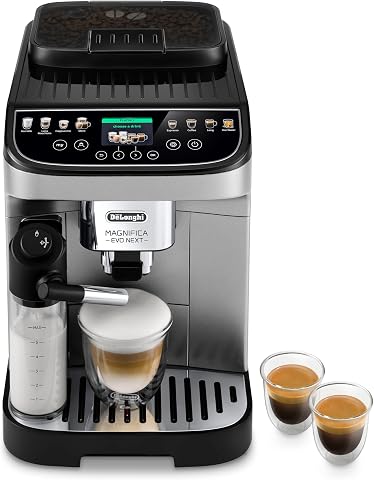
De’Longhi Magnifica Evo Next Fully Automatic Espresso Ma
- ✔ Warranty: 1 Year
- ✔ Material: Stainless Steel
- ✔ Automation Level: High

De’Longhi Replacement Water Filter
- ✔ Filter Type: Replaceable cartridge
- ✔ Replacement Indicator: Yes
- ✔ Price Range: $20-$30
De’Longhi Magnifica Evo Next Fully Automatic Espresso Ma
The De’Longhi Magnifica Evo Next is a highly rated fully automatic espresso machine known for its programmability, built-in grinder, and milk frother. It’s ideal for coffee lovers wanting convenience and quality in one machine.
Pros:
- Multiple one-touch recipes
- Customizable drinks
- Built-in grinder with 13 settings
- Automatic milk frother
Cons:
- Can be complex to clean
- Requires regular descaling
- Higher price point
Best for: Home baristas seeking a versatile, all-in-one espresso machine
Not ideal for: Users who prefer manual control or have limited space
Bottom line: A top-rated fully automatic espresso machine with versatile features for coffee enthusiasts.
De’Longhi Replacement Water Filter
Using the De’Longhi Replacement Water Filter helps ensure your machine receives clean, mineral-free water, reducing the risk of leaks caused by mineral deposits. It’s easy to install and enhances coffee flavor.
Pros:
- Improves water quality
- Easy to install
- Reduces lime scale
- Enhances coffee taste
Cons:
- Needs replacement every 2 months
- Additional cost
- Fits specific models
Best for: Maintaining water quality and preventing leaks
Not ideal for: Machines not compatible with this filter
Bottom line: A simple upgrade to improve water quality and reduce leakage risk.
Frequently Asked Questions
Why is my De’Longhi espresso machine leaking water?
Leaks can be caused by worn seals, mineral buildup, loose connections, or damaged hoses. Proper inspection and maintenance can usually resolve the issue.
How often should I descale my espresso machine?
It’s recommended to descale every 2-3 months, or more frequently if you have hard water, to prevent mineral deposits that can cause leaks.
Can I fix internal leaks myself?
Yes, if you are comfortable with basic repairs. Focus on replacing seals, cleaning hoses, and descaling. For complex issues, professional repair is advised.
What parts should I replace if my machine leaks?
Worn or damaged gaskets, seals, hoses, or the water tank may need replacement. Always use genuine parts for best results.
Is it safe to operate my machine after fixing a leak?
Only if the repair is complete, and there are no visible damages. Always unplug and inspect the machine thoroughly before use.
Keep Your Coffee Routine Seamless with Proper Maintenance
Addressing leaks in your De’Longhi espresso machine involves a combination of proper inspection, timely replacement of worn parts, and regular descaling. By following these step-by-step troubleshooting tips, you can extend your machine’s lifespan and enjoy delicious coffee every day. Remember, when in doubt, professional repair ensures safety and optimal performance.
Affiliate disclosure: As an Amazon Associate we earn from qualifying purchases. Prices and availability are accurate as of the time of publishing.
Fall Picks
fall essentials
As an affiliate, we earn on qualifying purchases.