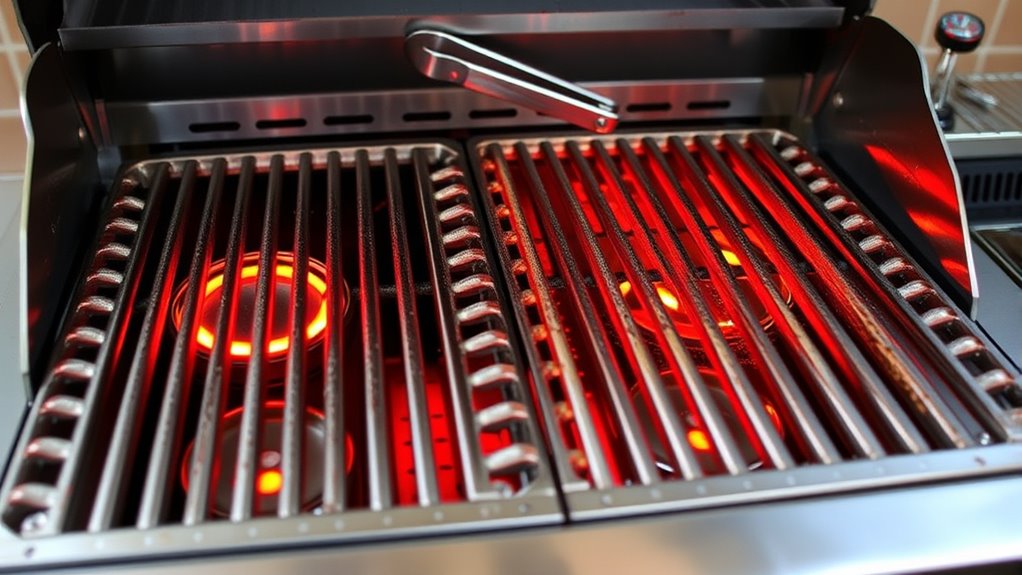
To fix hot spots on your grill, start by turning it on and heating it for 15 minutes to identify uneven heat areas with foil or bread tests. Clean the grates thoroughly and apply a light coat of oil to promote even heat transfer. Adjust your burners or coals to create different heat zones, and use accessories like diffusers to distribute heat better. Regular maintenance and monitoring will help you maintain consistent cooking—keep going to discover more tips on achieving perfect results.

Get kitchen gear delivered free — and shop member deals
- Fast, free delivery on millions of items
- Access to Prime Big Deal Days deals on October 6–7
- Prime Video, Amazon Music and more included
Key Takeaways
- Identify hot spots by testing with bread or foil and mark them for adjustment.
- Clean and season grates thoroughly to promote even heat transfer.
- Adjust burners or coals to create distinct high, medium, and low heat zones.
- Use heat diffusers and tents to distribute heat evenly over the cooking surface.
- Regularly maintain and monitor your grill, adjusting vents and repositioning components as needed.
As an affiliate, we earn on qualifying purchases.
Identifying Hot Spots on Your Grill
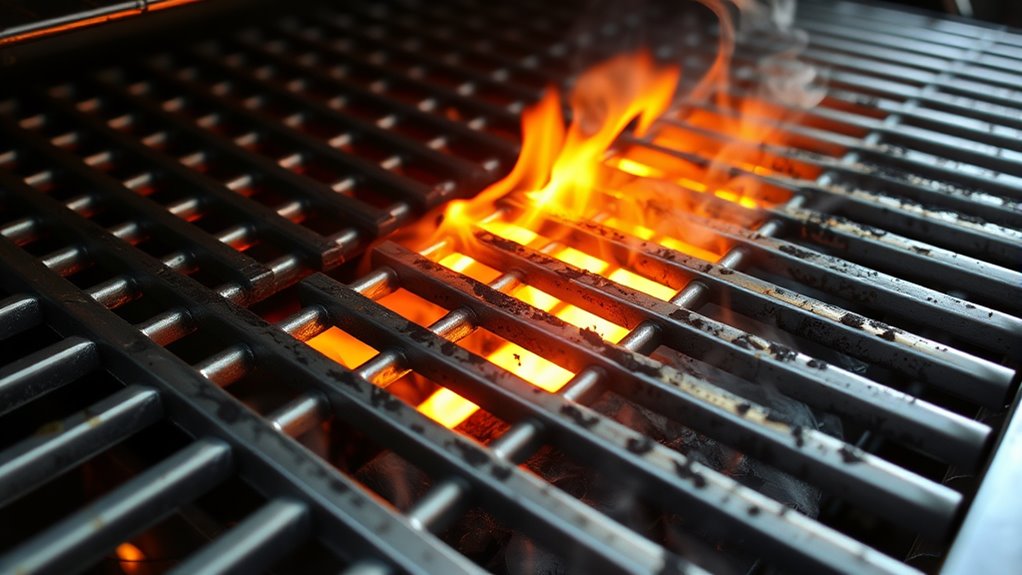
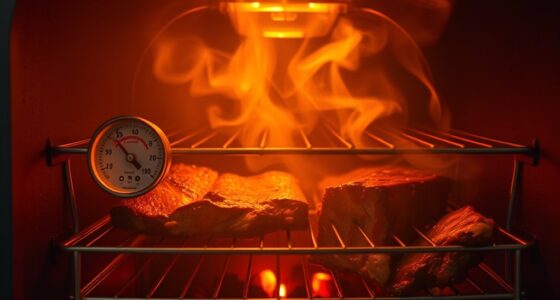
To effectively fix hot spots on your grill, you first need to identify where they are. Start by turning on your grill and setting it to a consistent grill temperature. Close the lid and let it heat for about 15 minutes. Then, carefully open the lid and use aluminum foil or a piece of bread to test specific areas. If one spot cooks faster or burns the bread sooner, that’s a hot spot. Pay attention to uneven heat distribution by observing which areas seem hotter or cooler. Mark these spots with a piece of tape or a marker. Knowing where the heat concentrates will help you adjust your cooking process and manage heat distribution more effectively, ensuring even cooking on your grill.
As an affiliate, we earn on qualifying purchases.
Properly Prepping and Cleaning the Grill Surface
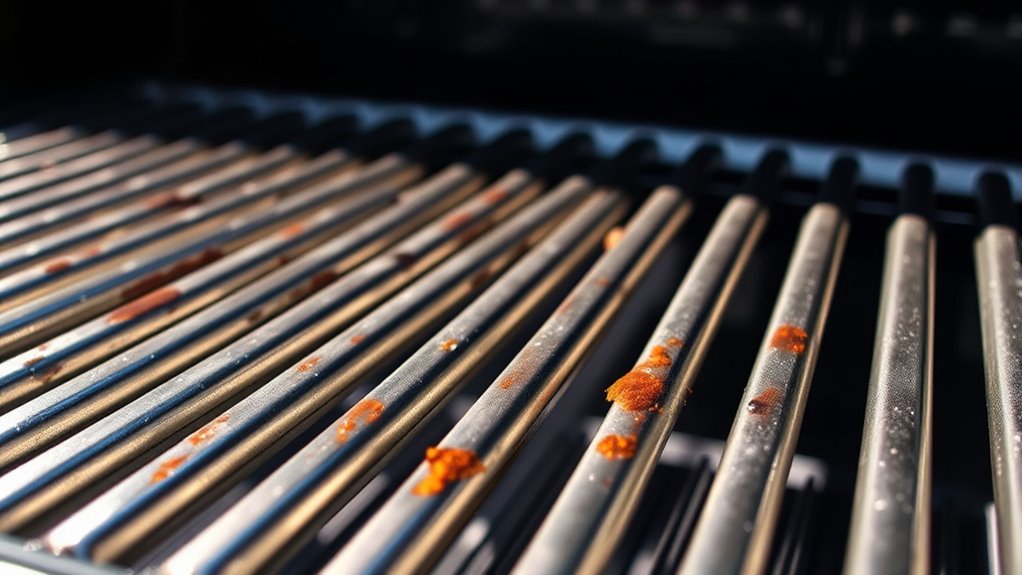
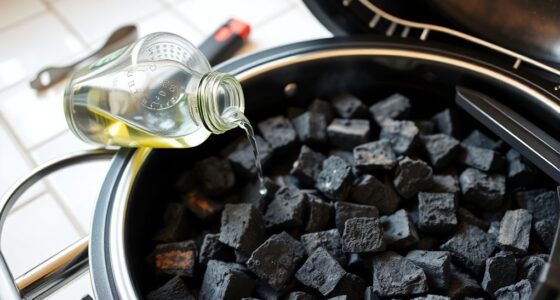
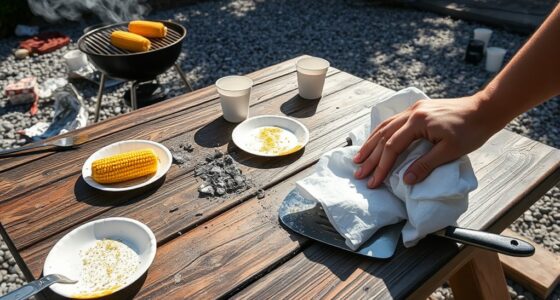
Before you start cooking, it’s essential to properly prep and clean your grill surface to guarantee even heat distribution and prevent hot spots. Begin by cleaning the grates thoroughly with a wire brush to remove any residue or old grill seasoning. A clean surface ensures better heat transfer and prevents uneven spots caused by buildup. Apply a light layer of grill seasoning or oil to the grates, which helps create a non-stick surface and enhances heat conduction. When placing your grill, ensure it’s on a stable, level surface to promote consistent heat. Proper grill placement minimizes drafts and wind interference, reducing temperature fluctuations. Taking these steps ensures your grill is well-prepared, promoting even cooking and reducing the chances of hot spots during your grilling session.
As an affiliate, we earn on qualifying purchases.
Adjusting and Managing Your Grill’s Heat Zones
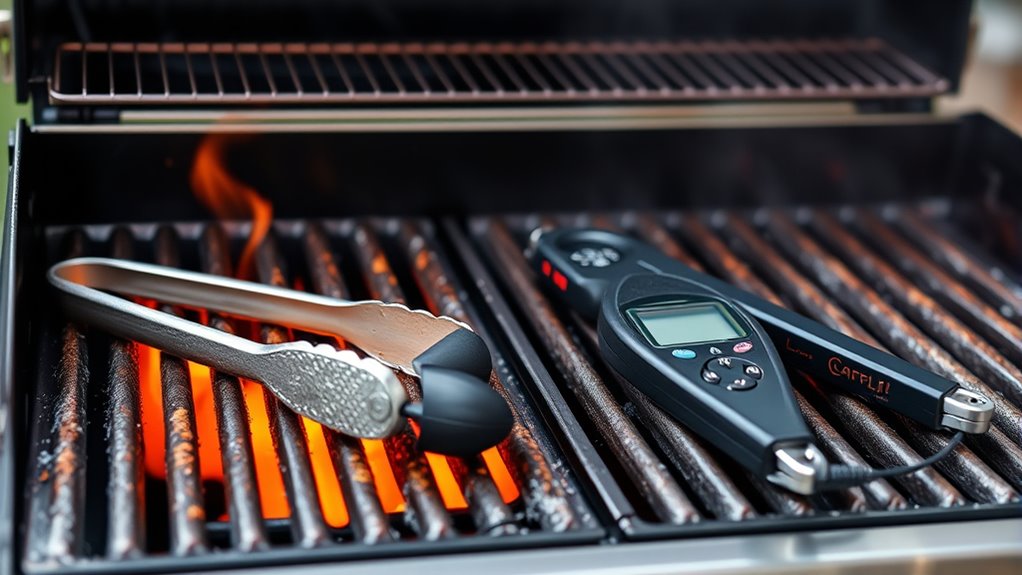
Mastering your grill’s heat zones is key to preventing hot spots and achieving evenly cooked food. Use a grill thermometer to monitor the heat distribution across your grill. Adjust the burners or coals to create distinct high, medium, and low zones. This control allows you to direct heat where needed and avoid uneven cooking.
| Zone | Temperature | Ideal Use |
|---|---|---|
| Hot | 450°F+ | Searing steaks or quick browning |
| Medium | 350-450°F | General grilling and vegetables |
| Low | 250-350°F | Slow cooking and delicate items |
Managing these heat zones helps you maintain consistent heat and prevents those frustrating hot spots from ruining your meal.
As an affiliate, we earn on qualifying purchases.
Using Accessories to Promote Even Cooking
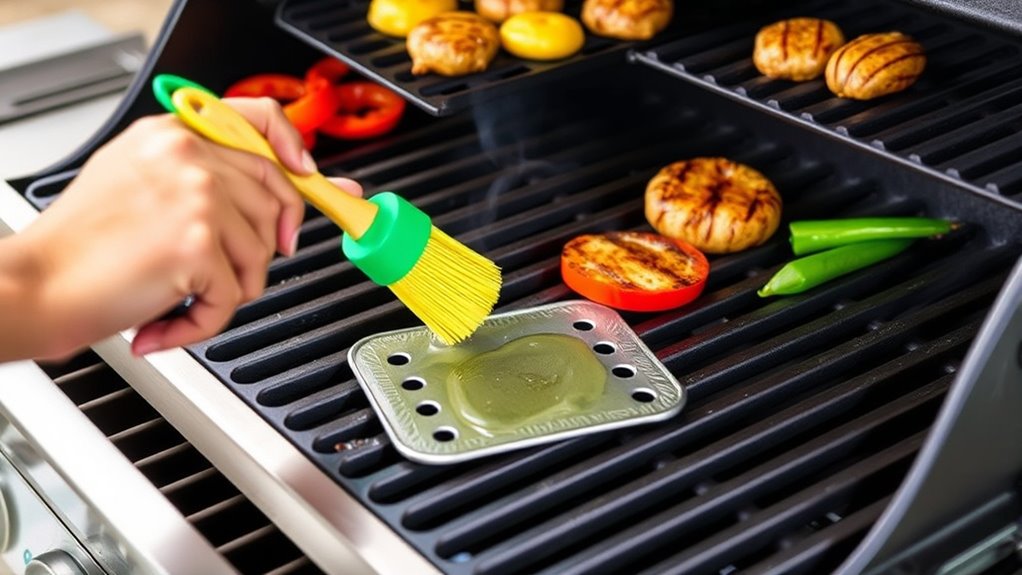
Using accessories can substantially improve how heat is distributed across your grill, helping you achieve more even cooking results. Grill accessories such as heat distribution tools, like heat tents, diffusers, and warming racks, help prevent hot spots by spreading heat more evenly. These tools act as barriers or redistributors, ensuring your food is cooked uniformly without constant repositioning. For example, placing a heat diffuser over your burners can shield certain areas from direct flame, reducing temperature fluctuations. Similarly, heat tents can trap and diffuse heat, creating a more consistent cooking environment. By incorporating these heat distribution tools into your grilling setup, you minimize uneven hot spots and get better, more predictable results every time you cook.
Regular Maintenance and Monitoring for Consistent Results
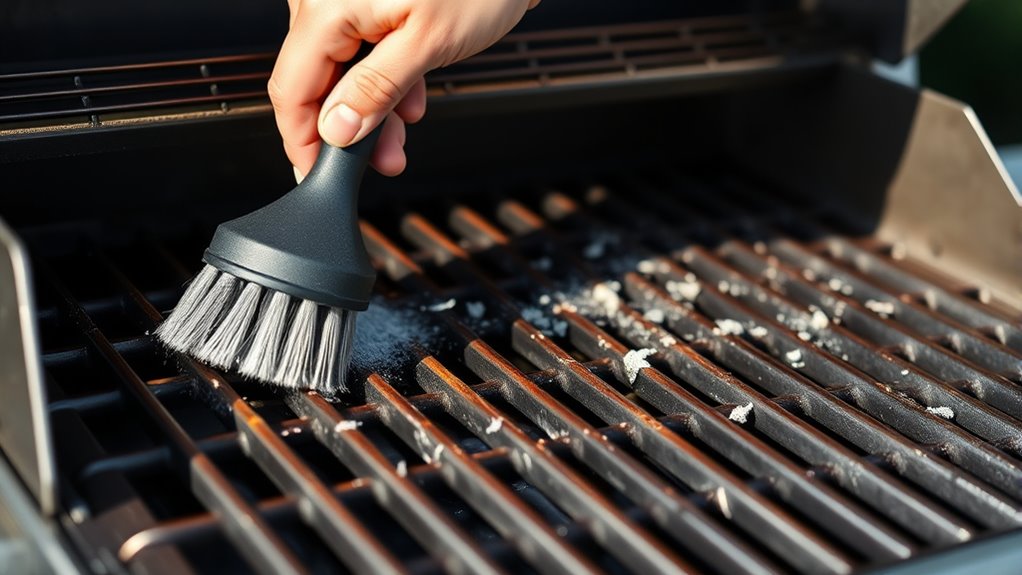
Regular maintenance and monitoring are essential for keeping your grill’s heat distribution consistent over time. Regularly cleaning your grill helps prevent grease buildup that can cause hot spots. Proper grill seasoning ensures the grates are protected and heat transfers evenly. Keep an eye on temperature control and adjust vents to manage smoke and heat levels effectively. Monitoring your grill’s performance allows you to spot uneven heat early and make necessary adjustments, such as repositioning burners or adding heat diffusers. Consistent checks also help you maintain ideal smoke control, which influences heat distribution and flavor. By staying attentive to these details, you reduce the chances of hot spots and achieve more consistent, evenly cooked results every time you grill.
Frequently Asked Questions
How Can I Prevent Hot Spots From Forming in the First Place?
To prevent hot spots, you should focus on proper grill maintenance and fuel quality. Regularly clean your grill to ensure even heat distribution, removing grease and debris. Use high-quality fuel, whether it’s charcoal or gas, to maintain consistent heat. Also, preheat your grill thoroughly before cooking and avoid overcrowding to promote even heat flow. These steps help distribute heat uniformly and prevent hot spots from forming.
Are There Specific Grill Types Better for Even Heat Distribution?
A chain is only as strong as its weakest link, so choosing the right grill matters. Charcoal grills often provide more even heat, especially when arranged properly, while gas burners give you precise control. If you want consistent heat, go for a well-designed charcoal grill or a gas grill with multiple burners and heat diffusers. Both types, when used correctly, can deliver even cooking and minimize hot spots.
What Temperature Is Ideal for Different Types of Food?
You should aim for different temperatures based on the food you’re grilling. For steaks, go for high heat around 450-500°F, while veggies need moderate heat, about 350-400°F. Use proper seasoning techniques to enhance flavor, and keep your grill well-maintained to guarantee even heat distribution. Preheat your grill thoroughly, and monitor the temperature with a reliable thermometer to avoid hot spots and achieve perfect results every time.
How Do Weather Conditions Affect Grill Hot Spots?
Ever wondered how weather impacts your grill hot spots? Weather impacts, like wind, rain, or cold, can cause uneven heat distribution by cooling the grill or creating drafts. Proper grill insulation helps maintain consistent temperatures despite weather changes. When conditions are windy, hot spots can develop due to uneven airflow. To keep your grilling even, shield your grill from elements and check the heat distribution regularly. Would you adjust your setup based on the forecast?
Can I Use a Thermometer to Detect Hot Spots Accurately?
Yes, you can use a thermometer to detect hot spots accurately. Look for one with high thermometer accuracy and infrared sensors, which provide precise readings of surface temperatures across your grill. Infrared thermometers quickly scan large areas, helping you identify uneven heat zones. Make sure to calibrate your thermometer regularly for consistent results, so you can confidently adjust your grill’s settings and achieve even cooking every time.
Conclusion
By regularly cleaning your grill and paying attention to heat zones, you’ll notice more even cooking—and sometimes, it’s the small adjustments that make all the difference. Coincidentally, as you learn to manage hot spots, you’ll find your grilling becomes more consistent and enjoyable. The more you experiment and fine-tune your setup, the less you’ll worry about uneven spots, revealing that a little attention and patience can truly transform your grilling results.
Fall Picks
fall essentials
As an affiliate, we earn on qualifying purchases.