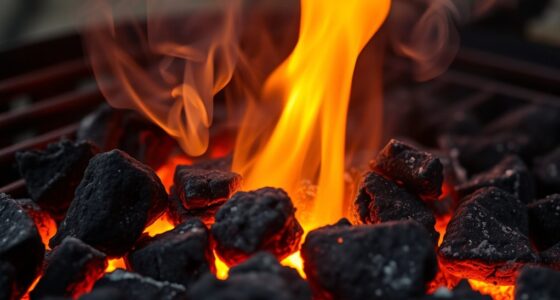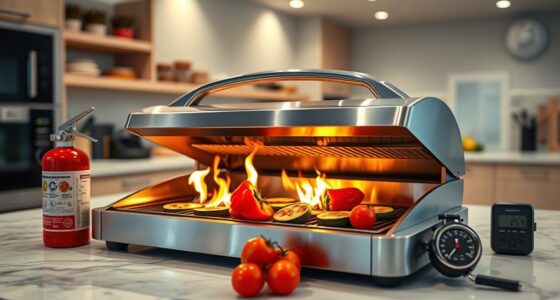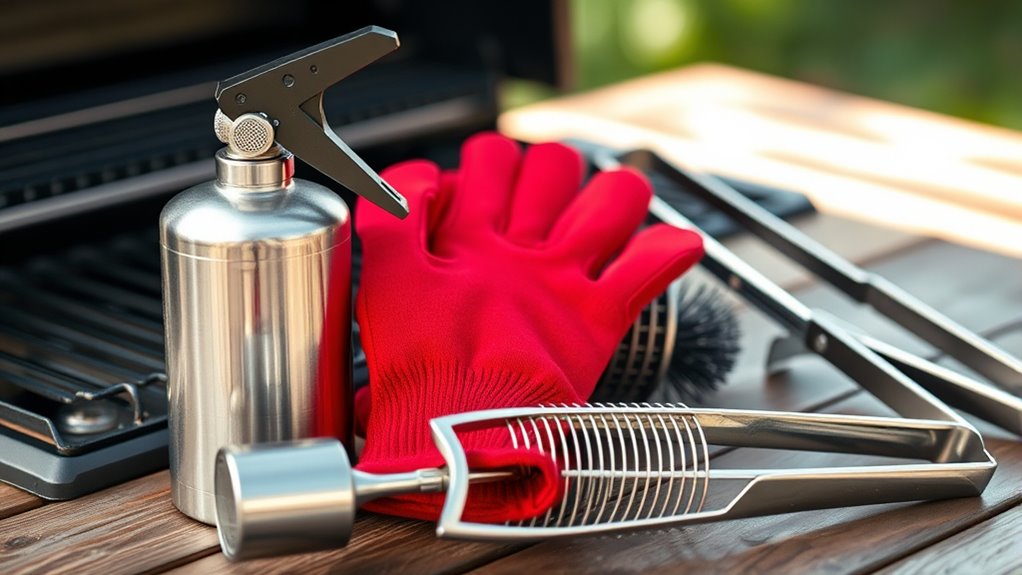

To guarantee safe grilling, you need essential safety gear like heat-resistant gloves to protect your hands from burns and hot surfaces. Keep an accessible fire extinguisher nearby, ideally a Class B or multipurpose one, to quickly tackle flare-ups or fires. Using proper safety gear minimizes accidents and keeps you safe during outdoor cooking. Pay attention to these precautions so you can enjoy grilling confidently — if you stick around, you’ll learn more safety tips.
Key Takeaways
- Use heat-resistant gloves made of silicone or leather to protect hands from burns during grilling.
- Keep a Class B or multipurpose fire extinguisher nearby for quick response to flare-ups or fires.
- Wear grilling aprons to shield clothing and skin from hot splatters and sparks.
- Utilize long-handled tools to maintain a safe distance from flames and hot surfaces.
- Regularly inspect and maintain safety gear and fire extinguishers to ensure proper functionality during cooking.
Grilling can be a fun and tasty way to enjoy outdoor cooking, but safety should always come first. When you’re firing up the grill, taking proactive steps for fire prevention is vital to prevent accidents. One of the most effective ways to do this is by making sure your grill is well-maintained. Regular grill maintenance includes cleaning grease and food buildup, checking for leaks in gas lines, and inspecting the overall condition of your equipment. A clean grill reduces the risk of flare-ups and unexpected fires, keeping your cookout safe. Neglecting maintenance can lead to dangerous situations, so it’s worth establishing a routine before each grilling session.
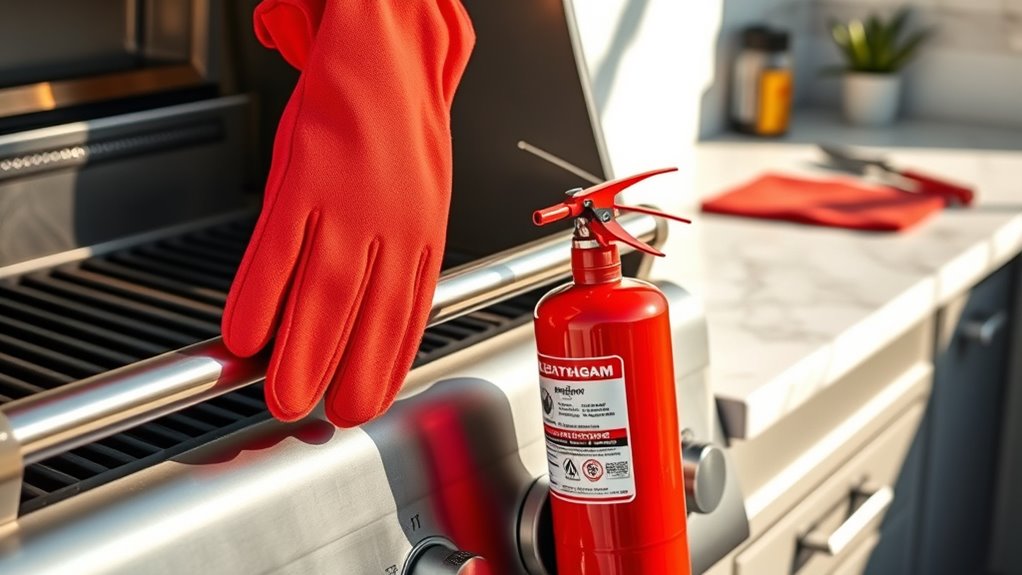
Equipping yourself with the right safety gear is equally important. Grill gloves, for instance, are a must-have. They protect your hands from burns when handling hot grates, adjusting flames, or adding charcoal. Look for gloves made of heat-resistant materials like silicone or leather, which provide a good barrier against high temperatures. Never attempt to operate your grill without proper gloves — it’s an easy step to prevent painful accidents. Along with gloves, having a fire extinguisher nearby is essential. A Class B or multipurpose extinguisher designed for kitchen and outdoor fires can quickly put out flare-ups before they escalate. Keep it within easy reach, and make sure you know how to use it properly. It’s also wise to have a spray bottle of water on hand for small flare-ups, but never use water on grease fires, as that can make things worse.
In addition to fire prevention tools, consider safety accessories like long-handled tools that keep you at a safe distance from flames and hot surfaces. A grilling apron can protect your clothes and skin from splatters and sparks. When setting up your grilling area, clear the space around the grill of any combustible materials, and ensure your grill is on a stable, flat surface. Regularly check for leaks or worn hoses if you’re using a gas grill, and replace parts as needed. Proper grill maintenance and wearing the right safety gear create a safer environment, allowing you to enjoy your cookout without worry. Remember, taking these simple precautions can prevent accidents and guarantee your outdoor cooking is both fun and safe. Additionally, understanding the importance of projector contrast ratio can help you choose the best equipment for a clear and vivid display, similar to how safety gear enhances your grilling experience.
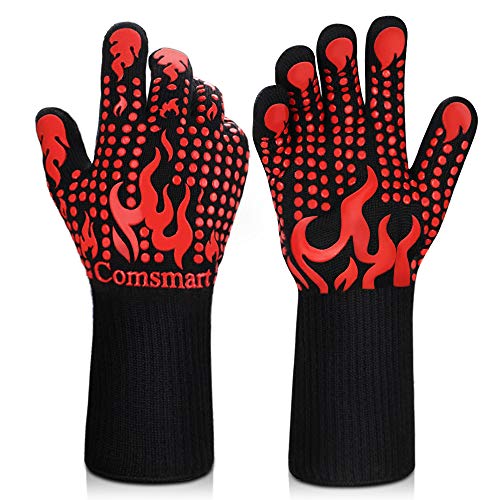
Comsmart BBQ Gloves, 1472 Degree F Heat Resistant Grilling Gloves Silicone Non-Slip Oven Gloves Long Kitchen Gloves for Barbecue, Cooking, Baking, Cutting
Heat Resistant: Our BBQ gloves are designed to provide protection for your hands while cooking, grilling, baking, or…
As an affiliate, we earn on qualifying purchases.
As an affiliate, we earn on qualifying purchases.
Frequently Asked Questions
How Often Should I Replace My Grill Safety Gear?
You should replace your grill safety gear annually or as part of your maintenance schedule. Regular inspections help identify signs of wear, such as cracks or deterioration, that can compromise safety. Keep in mind that equipment lifespan varies, but proactive replacements guarantee you stay protected. Don’t wait for failure—replacing gear on a set maintenance schedule keeps your grilling safe and effective.
Are There Specific Gloves for Different Types of Grills?
Absolutely, you need heat resistant gloves designed for your grill type—because, after all, your hands deserve the same level of protection as your eyebrows do from a rogue flare-up. Grill-specific gloves are crafted to handle the unique heat and grease of each grill, whether it’s charcoal or gas. Using the right gloves guarantees you won’t be the star of the next kitchen disaster, making grilling safer and a lot more fun.
Can Household Items Be Used as Fire Extinguishers?
You shouldn’t use household items for DIY fire suppression, as they often lack the proper safety features and effectiveness. Items like baking soda or salt might help small fires, but they aren’t reliable or safe for all types of flames. Instead, keep a proper fire extinguisher nearby, and use it according to safety guidelines. Relying on household item safety for fire emergencies can be risky; trained extinguishers are the best choice.
What’s the Best Way to Store Safety Gear?
You want your safety gear ready when you need it most, so store it strategically. Use accessible storage tips like a dedicated, clearly labeled cabinet or box near your grill. Keep gloves, extinguishers, and other essentials organized and dry, away from moisture and heat. Regularly check your gear’s condition and replace anything worn. Proper storage guarantees quick access and peace of mind during those critical moments.
Do Safety Gear Requirements Vary for Charcoal and Gas Grills?
Yes, safety gear requirements can differ for charcoal and gas grills due to varying fire risks. You should follow grill safety regulations and protective gear standards specific to each type. For example, gas grills may require more fire-resistant gloves and proper ventilation, while charcoal grills highlight safe handling of lighter fluid. Always check local regulations and manufacturer guidelines to make sure you’re using the right safety gear for your grill type.

AmzBoom 2-Pack Fire Extinguisher for Home, Kitchen, Car, and Grill with Mounting Bracket– Extinguishing Spray, Compact A, B, C, K – Eco-Friendly, Prevents Reignition.
Simple, Fast Activation:Take control with an easy-to-use design—just press, aim, and spray. Each extinguisher Emergency Survival Kits includes…
As an affiliate, we earn on qualifying purchases.
As an affiliate, we earn on qualifying purchases.
Conclusion
Remember, ready your robust safety gear—gloves, extinguishers, and more—before you begin your grilling adventure. Staying safe guarantees your sizzling summer stays sensational, not stressful. By bringing the right gear and being vigilant, you’ll avoid accidents and achieve amazing, mouthwatering meals with peace of mind. So, gear up, get grilling, and enjoy every flavorful, fun-filled feast with confidence and caution!
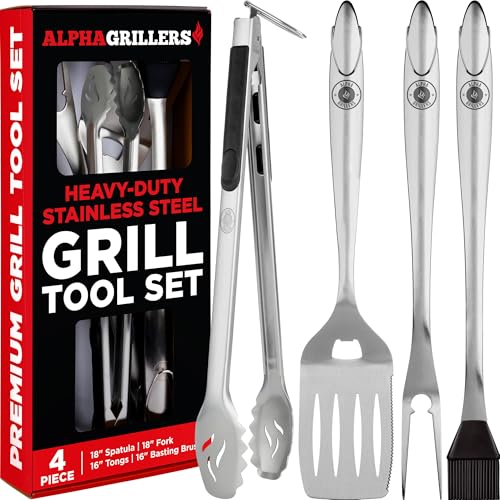
Alpha Grillers Grilling Accessories – Grilling Gifts for Men – BBQ Accessories Grill Tools Set with Spatula, Fork, Brush & Tongs – Outdoor Barbecue Utensils Birthday Gifts for Men Him Dad Husband
Essential Grilling Accessories – Grilling accessories for gas, charcoal, electric, and smoker grills. This 4-piece bbq set of…
As an affiliate, we earn on qualifying purchases.
As an affiliate, we earn on qualifying purchases.
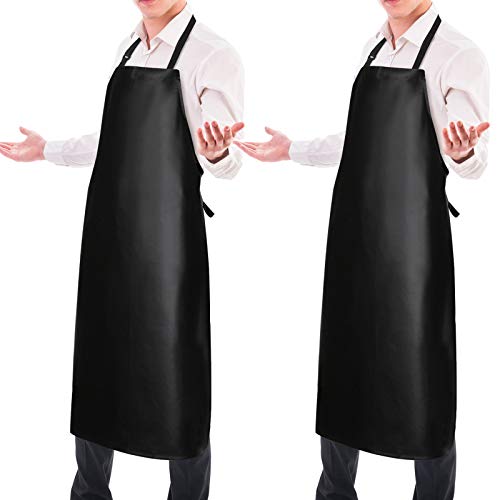
2 Pack Waterproof Rubber Vinyl Apron 40 Inch Chef Aprons for Men Heavy Duty Chemical Work Apron Extra Long Grilling Aprons with Adjustable Bib Apron for Dishwashing Lab Butcher Cooking Kitchen Black
VARIOUS APPLICATION SCENARIOS FOR YOUR DEMANDS : Good protection for kitchen, gardening, restaurant, dog grooming, cleaning, butchery, cook,…
As an affiliate, we earn on qualifying purchases.
As an affiliate, we earn on qualifying purchases.