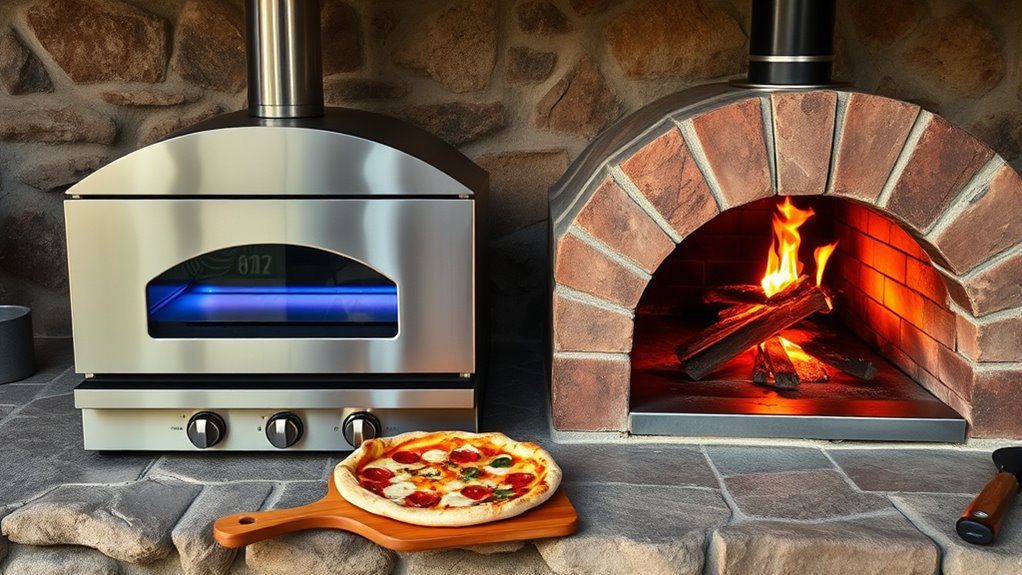

Choosing between a gas and wood-fired pizza oven depends on your priorities. Gas ovens are easier to use, heat up quickly, and offer consistent temperatures, making them great for everyday cooking. Wood-fired ovens provide authentic smoky flavors and high heat for artisanal results but require more effort and space. To discover which matches your style and needs best, keep exploring the pros and cons of both options.
Key Takeaways
- Gas ovens offer consistent, precise temperatures and quick heat-up, making them more convenient for regular, everyday pizza cooking.
- Wood-fired ovens provide authentic smoky flavors and high heat, ideal for artisanal-style pizzas and traditional cooking.
- Gas ovens are easier to operate and maintain, requiring less effort and cleaning than the fire-building and soot management of wood-fired models.
- Wood-fired ovens demand more space, time, and effort but deliver unique flavor profiles valued by enthusiasts and traditionalists.
- Both options vary in cost, environmental impact, and versatility, so the best choice depends on your flavor preferences, lifestyle, and budget.

Ooni Koda 16 Propane Gas Pizza Oven – 16" Gas Powered Outdoor Oven with 28 mBar Regulator and Gas Hose, Gas Powered Portable Pizza Oven – Foundry Black
60 SECOND PIZZA – Reaching temperatures of up to a massive 950°F – twice that of a normal…
As an affiliate, we earn on qualifying purchases.
As an affiliate, we earn on qualifying purchases.
Understanding the Cooking Mechanisms of Gas and Wood-Fired Ovens

While both gas and wood-fired pizza ovens aim to cook your pizza quickly and evenly, they do so through different mechanisms. Gas ovens use controlled burners, allowing for precise temperature control and consistent heat. This makes them more fuel-efficient, as you can easily adjust the flame to match your cooking needs without waste. Wood-fired ovens rely on burning wood logs, which generate intense heat but require more effort to maintain. The temperature fluctuates naturally based on how much wood you add and how you manage the fire, making temperature control less precise. If you value consistent heat and fuel efficiency, gas ovens offer a clear advantage. Conversely, wood-fired ovens demand more attention but provide a traditional cooking experience.

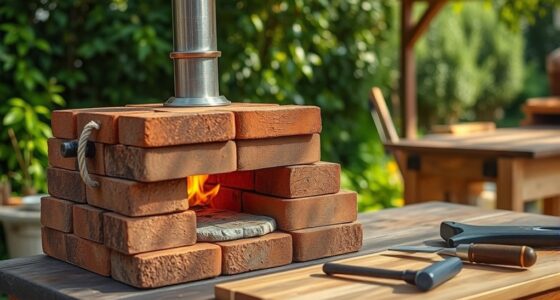
How to Build a Wood-Fired Pizza Oven
As an affiliate, we earn on qualifying purchases.
As an affiliate, we earn on qualifying purchases.
Flavor Profiles and Taste Differences
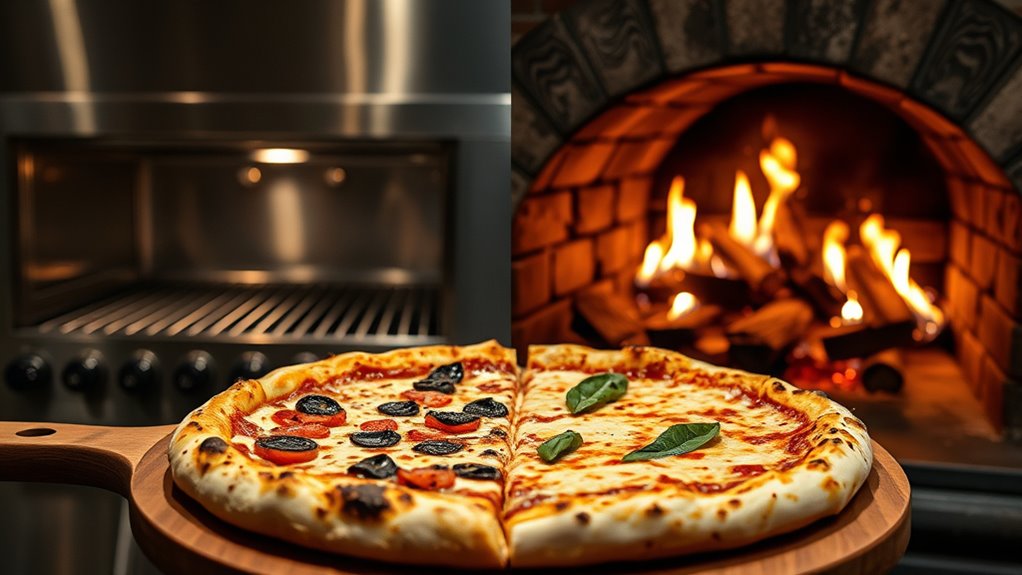
The choice between gas and wood-fired pizza ovens considerably influences the flavor of your finished pie. Wood-fired ovens deliver a smoky aroma that enhances flavor profiles, creating rich taste nuances that are difficult to replicate with gas. The combustion of wood introduces subtle char and smokiness, contributing to a more complex flavor enhancement. Gas ovens, on the other hand, produce a cleaner, more neutral taste, allowing the ingredients’ natural flavors to shine through without added smokiness. This can be ideal if you prefer a more straightforward, consistent flavor. The differences in heat and smoke levels directly impact the taste nuances, making each oven type unique in its ability to influence the final flavor of your pizza. Your choice ultimately shapes the sensory experience of every slice.
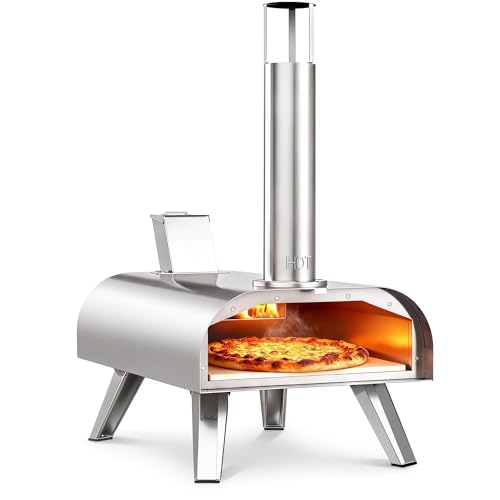
BIG HORN 12" Multi-Fuel Outdoor Pizza Oven Reach up to 1110℉– 3-in-1 Wood,Gas&Electric Compatible(Burners Sold Separately),Pellet Pizza Oven Portable Pizza Maker for Backyard,Camping&Tailgating,Silver
【Premium & Safe Stainless Steel】Outdoor pizza oven is constructed with high-quality stainless steel. This sturdy and compact oven…
As an affiliate, we earn on qualifying purchases.
As an affiliate, we earn on qualifying purchases.
Ease of Use and Convenience Factors

Choosing between gas and wood-fired pizza ovens often comes down to convenience and ease of use. Gas ovens offer straightforward temperature control with adjustable dials, allowing you to set and maintain precise heat levels effortlessly. They also heat up quickly, reducing startup time and getting you cooking faster. Wood-fired ovens, on the other hand, require more effort to reach the desired temperature; you need to build and maintain a fire, which can take longer and involves constant monitoring. If you prioritize quick setup and consistent heat, gas ovens are more convenient. However, if you enjoy the ritual of fire-building and don’t mind a longer startup, a wood-fired oven can be equally manageable. Overall, gas ovens tend to be more user-friendly for everyday convenience.

Senwosa Premium Pizza Oven Accessories Kit – 6-Piece Set for Home Pizza Making: Includes Pizza Peel, Oven Brush, Bubble Popper Turner, Rocker Cutter, Dough Roller & Scraper
Complete Pizza Making Kit: Elevate your home pizza experience with our all-in-one 6-piece set. Perfect for prepping, baking,…
As an affiliate, we earn on qualifying purchases.
As an affiliate, we earn on qualifying purchases.
Cost Considerations and Budget Impact
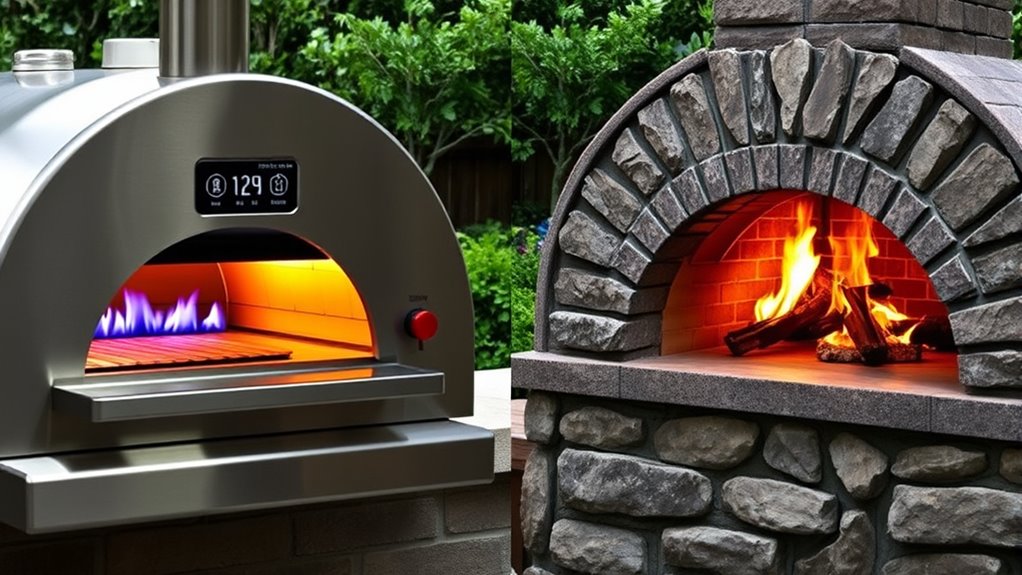
When choosing between gas and wood-fired pizza ovens, you’ll want to take into account both the upfront costs of equipment and installation. Keep in mind that long-term operating expenses, like fuel and maintenance, can considerably impact your budget over time. Understanding these costs helps you make a smarter choice that fits your financial plan.
Cost of Equipment and Installation
Gas pizza ovens generally have higher upfront costs due to more complex installation requirements, but they can offer long-term savings through reduced fuel expenses. The initial investment includes equipment costs and professional setup, which may be pricier than wood-fired options. Safety considerations also influence installation costs, as proper ventilation and gas line setup are essential. Keep in mind, fuel efficiency varies; gas ovens typically use fuel more efficiently, lowering ongoing costs. Here’s a quick comparison:
| Aspect | Gas Oven | Wood-Fired Oven |
|---|---|---|
| Equipment Cost | Higher | Lower |
| Installation | More complex, safety-focused | Simpler, fewer safety concerns |
Long-term Operating Expenses
Long-term operating expenses play a crucial role in determining the true cost of your pizza oven. Your choice affects ongoing costs like fuel efficiency and overall operational expenses. Consider these key factors:
- Fuel Costs: Wood is often cheaper but less predictable, while gas offers consistent pricing.
- Maintenance: Wood-fired ovens generally require more cleaning and repairs, increasing operational costs.
- Efficiency: Gas ovens typically have better fuel efficiency, reducing long-term expenses.
- Energy Consumption: Gas models tend to use less energy, lowering your ongoing bills.
Installation and Space Requirements
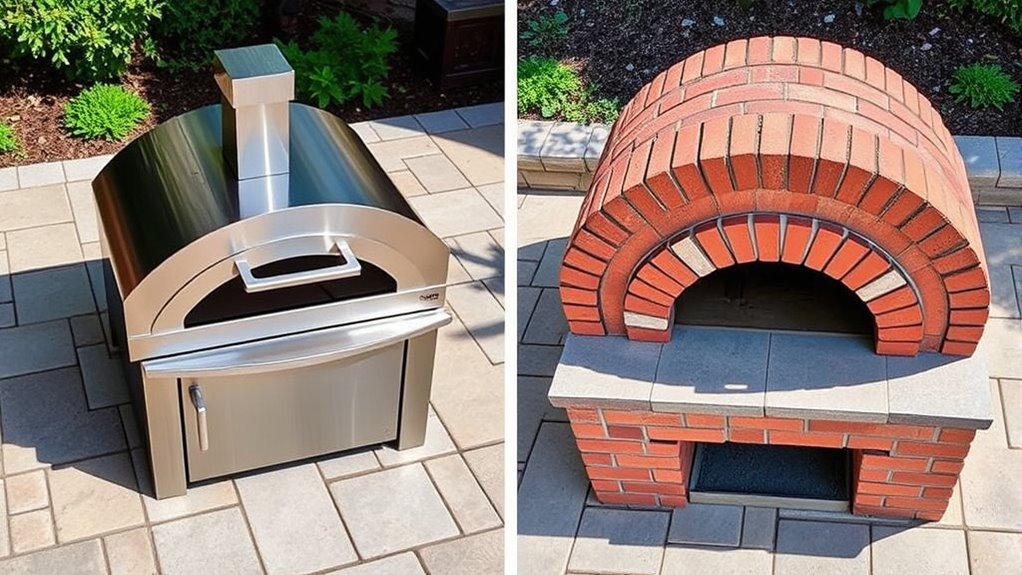
When choosing between gas and wood-fired pizza ovens, you’ll need to take into account their size and footprint to make sure they fit comfortably in your space. Installation complexity can vary, with some models requiring more setup or special venting, so plan accordingly. Additionally, think about where you want to place your oven, as location flexibility might be limited by safety codes or space constraints.
Size and Footprint
Choosing between a gas-fired and a wood-fired pizza oven largely depends on the space you have available. If space is limited, consider the footprint size and the oven’s compact design. Here are four key points to keep in mind:
- Gas ovens often have a smaller, more streamlined footprint, making them ideal for tight spaces.
- Wood-fired ovens generally require more room due to their larger, traditional designs.
- Compact designs in gas ovens save valuable patio or kitchen space.
- Measure your available area carefully before choosing, ensuring enough clearance for safe use and ventilation.
Ultimately, your choice depends on how much space you can dedicate, with gas ovens offering a more space-efficient solution.
Installation Complexity
Installing a gas-fired pizza oven is generally simpler and quicker because it requires minimal clearance and straightforward connections to a gas supply. You’ll mainly need to ensure proper ventilation to vent exhaust gases safely and may need some structural reinforcement for the oven’s weight. In contrast, wood-fired ovens often demand more complex installation, including chimney construction and enhanced ventilation systems. Here’s a quick comparison:
| Aspect | Gas Oven | Wood Oven | Notes |
|---|---|---|---|
| Ventilation Requirements | Minimal, exhaust vent needed | Extensive, chimney required | Ensures safe operation |
| Structural Reinforcement | Usually minimal | Often significant | To support weight and chimney setup |
| Space Requirements | Compact, minimal clearance | Larger footprint | Due to chimney and clearance needs |
| Ease of Installation | Straightforward, quick | More involved, time-consuming | Complexity varies |
Location Flexibility
Gas-fired pizza ovens offer greater flexibility in choosing their location due to their smaller footprint and minimal clearance needs. This makes them ideal for various spaces, including patios, balconies, or even small backyard setups. If portability matters, you can opt for portable options that can be moved easily whenever needed. For outdoor installation, gas ovens are straightforward, often requiring minimal modifications. Consider these options:
- Portable gas ovens for quick setup and mobility
- Compact designs for tight spaces
- Easy outdoor installation without extensive permits
- Ability to position near existing utilities for convenience
This flexibility allows you to set up your pizza station anywhere you like, whether temporarily or permanently, without sacrificing space or convenience.
Maintenance and Cleaning Needs
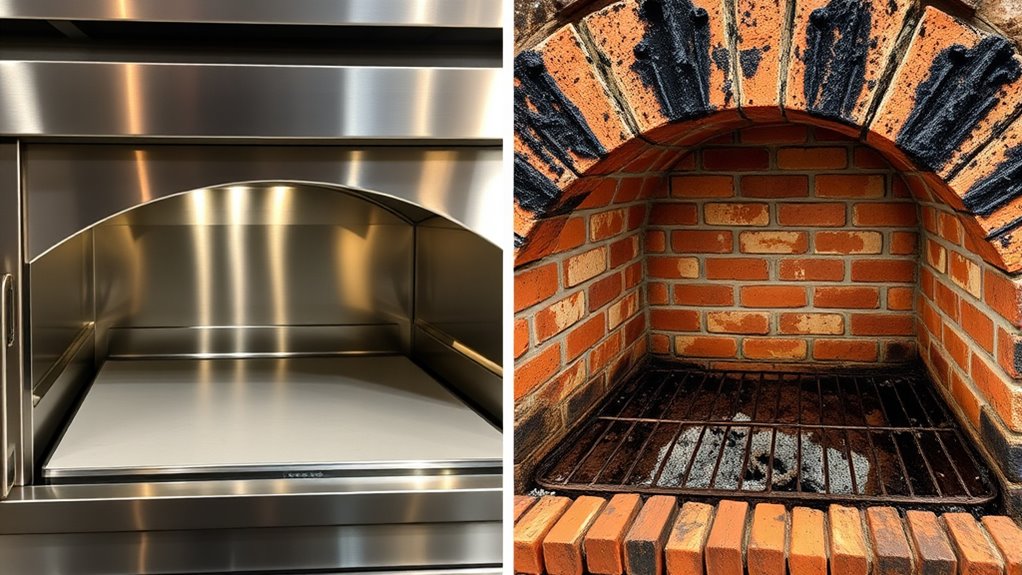
Regular maintenance and cleaning are essential to keep your pizza oven operating efficiently and ensuring food safety. The cleaning frequency depends on how often you use your oven, but generally, you should clean it after each use to remove food residues and prevent buildup. Maintenance tasks include inspecting and replacing worn parts, checking the oven’s seals, and ensuring proper airflow. Gas ovens typically require less frequent deep cleaning of burners and gas lines, but regular surface cleaning is still necessary. Wood-fired ovens demand more thorough cleaning of ashes and soot, which can accumulate quickly. Staying consistent with these tasks prolongs your oven’s lifespan and guarantees optimal performance, regardless of the type. Proper upkeep also reduces fire hazards and keeps your pizza consistently delicious.
Environmental Impact and Sustainability
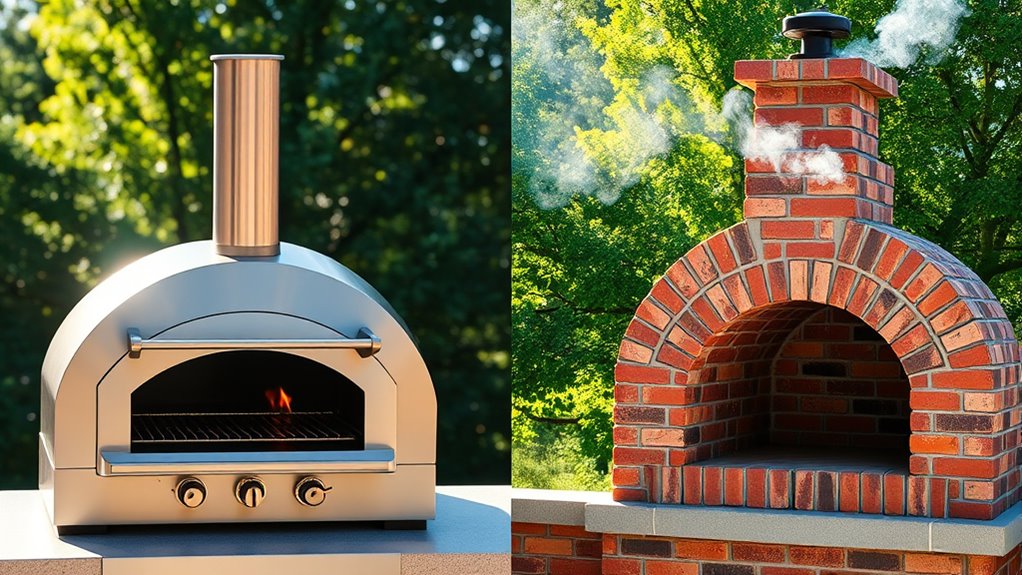
When it comes to environmental impact, choosing between gas and wood-fired pizza ovens involves considering their sustainability and emissions. Here’s what you should keep in mind:
- Wood-fired ovens use renewable energy from sustainably harvested wood, but their emissions release more particulates.
- Gas ovens burn natural gas or propane, which produce fewer emissions but rely on fossil fuels.
- Both options can incorporate sustainable materials, such as eco-friendly insulation and recycled components.
- Opting for a wood-fired oven with sustainably sourced wood minimizes environmental harm, while gas ovens with efficient designs reduce overall carbon footprint.
Your choice impacts air quality and resource use—consider these factors to support a greener, more sustainable cooking environment.
Versatility and Cooking Capabilities
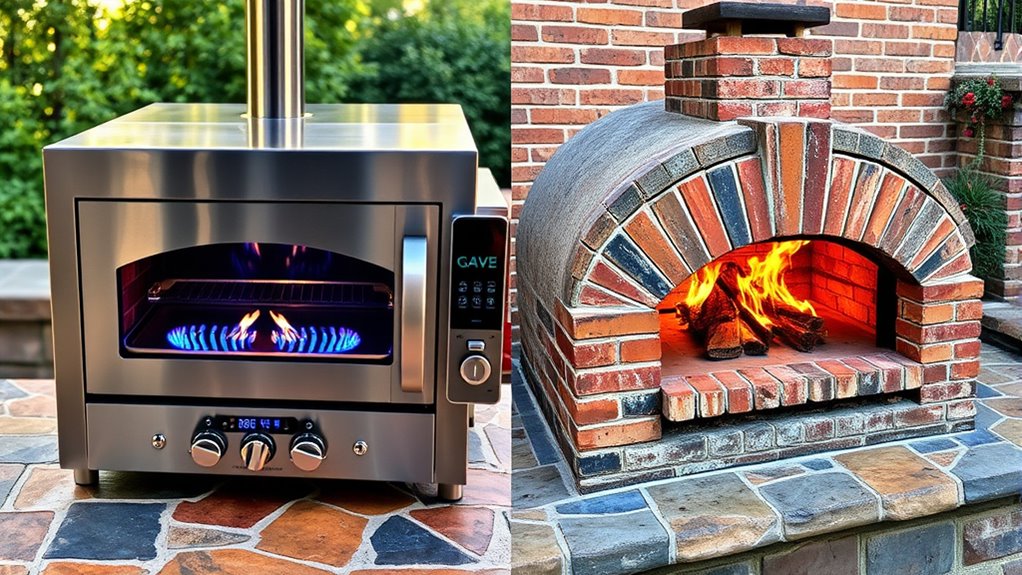
While both wood-fired and gas pizza ovens excel at making traditional pizzas, they differ markedly in their versatility. Gas ovens offer precise temperature control and quick adjustments, making them ideal for a variety of dishes beyond pizza. Wood-fired ovens, with their high heat and smoky flavor, excel at creating artisanal bread, roasted vegetables, and even desserts, though they may lack fine control. Consider this comparison:
| Feature | Gas Oven | Wood-Fired Oven | Best For |
|---|---|---|---|
| Fuel Efficiency | Higher, consistent fuel use | Less efficient, variable fuel | Traditional pizza & baking |
| Temperature Control | Precise, easy adjustments | Less precise, relies on fire | Artisan cooking & roasting |
| Versatility | Moderate, specialized for pizza | High, multi-purpose | Creative, diverse cooking |
Ideal User Scenarios and Recommendations
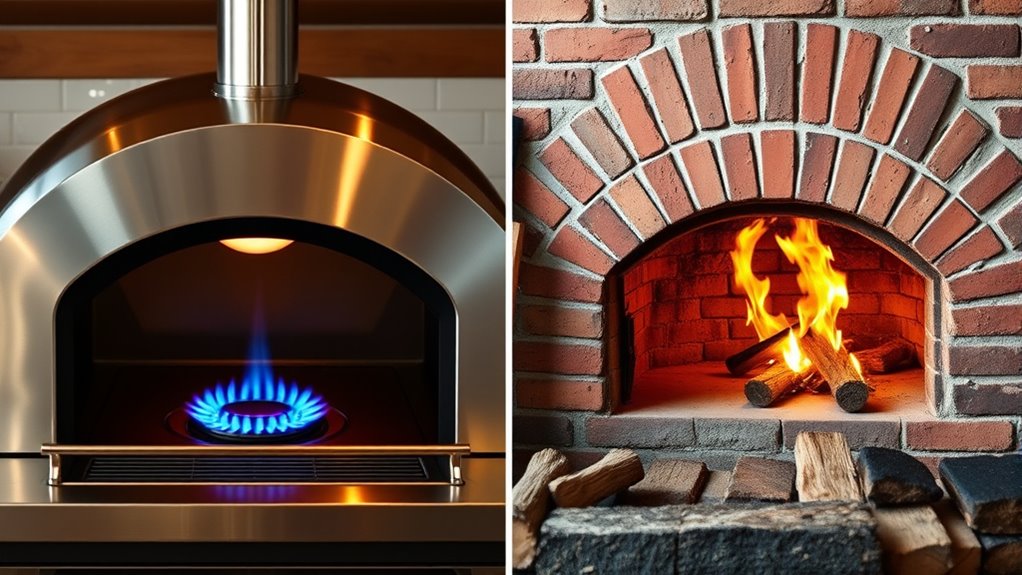
Choosing the right oven depends heavily on your cooking style and needs. If you love experimenting with pizza toppings and want quick results, a gas oven offers convenience and consistent heat. For those who appreciate a rustic look and traditional flavor, a wood-fired oven’s aesthetics and smoky taste shine. Consider these scenarios:
- You frequently host gatherings, needing fast, reliable heat — go for gas.
- You prioritize authentic flavor and enjoy experimenting with toppings — choose wood-fired.
- You want a stylish addition to your backyard with a vintage vibe — opt for wood-fired.
- You prefer easy operation with minimal cleanup — gas ovens are ideal.
Your choice ultimately hinges on your cooking preferences, aesthetic preferences, and how often you entertain.
Frequently Asked Questions
Which Oven Type Heats up Faster for Immediate Cooking Needs?
If you need quick heat for immediate cooking, gas ovens heat up faster than wood-fired ones. Gas ovens have a shorter ignition speed and preheat duration, allowing you to start cooking sooner. You simply turn on the gas, and it reaches the desired temperature quickly. Wood-fired ovens, on the other hand, require more time to preheat and ignite, making them less ideal for rapid cooking needs.
Are There Safety Concerns Specific to Gas or Wood-Fired Ovens?
You should be aware that gas ovens pose a fire hazard if not properly maintained or ventilated, while wood-fired ovens might produce smoke and require adequate ventilation to prevent buildup. Both types need strict adherence to safety standards, including proper ventilation requirements. Regular inspections help reduce risks, ensuring safe operation. Always follow manufacturer guidelines and local safety codes when installing and using your oven to minimize any safety concerns.
How Do Operating Costs Compare Over the Long Term?
You’ll find that gas ovens generally have lower operating expenses over the long term because they heat up faster and use less fuel efficiently. Wood-fired ovens might cost more initially and require ongoing expenses for wood, but they can offer long-term savings if you prefer authentic flavor and frequent use. Consider your usage patterns and fuel costs to determine which option provides better long-term savings for your needs.
Can Both Oven Types Be Used for Baking Other Foods Besides Pizza?
Yes, both gas and wood-fired ovens offer great baking versatility beyond pizza. You can use them for baking bread, roasting vegetables, or even cooking meats. Their substitute uses make them valuable kitchen tools, especially if you enjoy experimenting with different recipes. Keep in mind, each oven type may require adjustments in temperature and cooking time for ideal results, but overall, both can handle a variety of foods with ease.
Do Local Regulations Affect the Installation of Gas Versus Wood-Fired Ovens?
Did you know about 60% of urban areas have strict zoning restrictions that can impact installing gas or wood-fired ovens? Local regulations often include emission regulations and zoning restrictions that influence your choice. Gas ovens typically face fewer restrictions, while wood-fired ovens may require special permits due to smoke emissions. Always check your local ordinances before installation to avoid fines or legal issues, ensuring your pizza dreams stay on track.
Conclusion
Choosing between gas and wood-fired pizza ovens depends on what matters most to you—authentic flavor, convenience, or cost. Did you know that 65% of home pizza enthusiasts prefer gas for its ease, yet 80% of traditionalists still favor wood for that smoky, authentic taste? Ultimately, your ideal oven aligns with your cooking style and priorities. Whichever you pick, both can deliver delicious, crispy pizzas right in your own backyard.