TL;DR

Get kitchen gear delivered free with Prime
- Fast, free delivery on millions of items
- Prime Video, Amazon Music and more included
- Member-only deals all year
Outdoor pizza ovens cook at high heat, but your results depend on the temperature of the cooking surface, how well the oven holds heat, and how easily you can manage its fuel. Choose a fuel and size that fit your local rules and cooking habits, then give the stone time to heat fully and turn pizzas as they cook.
Your oven can read blazing hot while the pizza base is still pale. That small surprise explains a lot about outdoor pizza ovens: the number on the thermometer matters, but so does the heat stored in the cooking surface beneath your dough.
These ovens are designed to reach higher temperatures than most household ovens, which can cook a pizza quickly and brown its crust. But a great fit depends on more than speed. Fuel rules, patio space, cleanup, and your appetite for tending a fire all shape whether an oven earns its place at home.
This guide walks you through the main fuel types, the features that affect the first and fifth pizza, and a practical way to plan your setup. You’ll also find key facts for choosing a model, including what to check before using one on a balcony or leaving it outdoors.
Choose fuel based on your priorities: wood brings smoke and fire tending, while gas usually offers easier control.
Check patio, balcony, lease, and local fire rules before buying; restrictions can cover fuel, smoke, and open flames.
Compare heat retention, cooking-surface readiness, and recovery after loading alongside the advertised maximum temperature.
Measure space for the oven, safe clearances, pizza turning, accessories, and storage before choosing a size.
Follow the manual for placement, fuel, cooling, cleaning, and weather protection; stay near the oven while cooking.
Know what high heat can—and can’t—do for your pizza
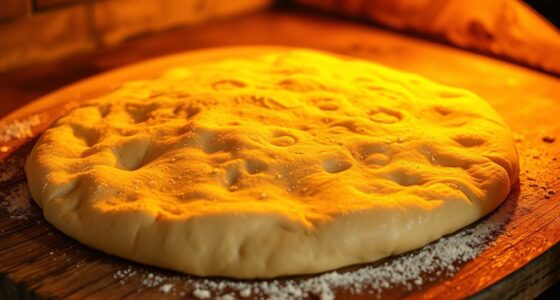
Outdoor pizza ovens cook at high temperatures that can brown a pizza quickly, but a hot air reading alone does not tell you whether the base will cook well. The stone or other cooking surface needs to store enough heat to cook the dough while the top browns. If the surface lags behind the flame, you can get a dark rim over a soft, pale center.
That difference shows up when you slide in your first pizza. Imagine the oven air feels scorching and the flame flickers against the dome, but the stone has only just warmed. The top begins to color while the underside stays blond. A fully heated surface helps the base catch up; an infrared thermometer can help you check it, though you should still follow the oven maker’s instructions.
Neapolitan-style recipes often use very high heat and brief baking times, but that is one style, not a rule for every pizza. A thicker dough or a generous layer of vegetables may need a different temperature and longer bake. Dough thickness, toppings, and turning all affect the result, so stay nearby and use the recipe’s guidance.
The flame can behave like an impatient cook, scorching the edge closest to it while the other side stays pale. A quick turn during baking helps even out the color. Once you understand that dance between the flame and the floor, choosing an oven becomes much easier.
Products Worth Considering

Le Creuset Alpine Outdoor Enameled Cast Iron Square Grill Pan, 10.25 in

Breville Bambino Espresso Machine, Brushed Stainless Steel

Cuisinart 7-in-1 Air Fryer Toaster Oven Combo, 1800W, TOA-55
As an affiliate, we earn on qualifying purchases.
Pick a fuel that fits your cooking style and local rules
The best oven fuel depends on what you value most: fire flavor, steady controls, low fuss, or flexibility. Wood adds smoke and asks you to manage the fire; gas heats conveniently; pellets and charcoal bring their own fuel and cleanup routines. Electric and multi-fuel designs can suit particular spaces or preferences, but each model has its own limits.
Picture a Friday dinner with hungry guests arriving in 30 minutes. A gas oven’s quick ignition and adjustable burner may feel like a gift. On a quiet Saturday, a wood-fired oven might be part of the fun: you feed the fire, watch the flame, and enjoy the smoky scent as the cooking surface heats. Those are different kinds of evenings, and the more convenient oven is not automatically the more satisfying one.
Use this comparison to narrow your shortlist. Performance varies by model, so check the maker’s instructions and specifications before buying.
| Fuel | What it offers | What to plan for |
|---|---|---|
| Wood | Smoke flavor and fire tending | Fuel storage, ash, and temperature practice |
| Gas | Quick heating and convenient adjustment | Gas supply and usually less smoke flavor |
| Pellets | Wood flavor in compressed-pellet form | Pellet feeding and model-specific controls |
| Charcoal | Smoky heat | More hands-on temperature control and cleanup |
| Electric | No open flame during cooking | Outdoor rating and suitable power access |
| Multi-fuel | A choice of fuel types | More parts or steps to manage |
Before buying, check local fire rules, your building or lease conditions, and any patio restrictions. Some places limit open flames, smoke, or particular fuels. Balcony use depends on the oven, rules, ventilation, and clearance; never assume a compact model is permitted just because it fits on a small table.
Use this checklist to match the oven to your space
A good oven fits your cooking routine, available space, and total budget, including the tools and setup that make it usable. Start with what you actually cook: one pizza for two people is a different job from turning out five pies for a family dinner. Make room to rotate each pizza, park a peel, and set down a hot tray.
Try a simple patio check before shopping. Measure the spot where you’d place the oven, then add space around it according to the manufacturer’s clearance instructions. A portable countertop model may suit a smaller patio, while a large built-in oven needs more room and may require structural support and careful installation planning.
- Check the rules first. Read local fire restrictions, building rules, and lease terms. For example, a renter may find that gas or electric is allowed while an open wood flame is not.
- Compare the cooking surface. Look for information about stone thickness, insulation, and heat retention as well as advertised maximum temperature.
- Match capacity to your plans. Check pizza diameter and ask how the oven recovers after you load a pie. The second pizza may bake differently if the surface loses heat.
- Count the full cost. Add fuel, peel, thermometer, stand, cover, delivery, and any installation work to the purchase price.
- Plan for weather and care. Wind and cold can change how a portable oven performs; ask how the manufacturer recommends storing and covering it.
Controls matter, too. A clear thermometer or adjustable burner can make early attempts less frustrating, though an air-temperature reading may not reveal the stone’s temperature. Think about cleanup before you commit: ash-producing ovens require ash removal, while all cooking surfaces need care that follows the manual.
Heat the surface fully, then cook with your eyes open
Give the cooking surface time to heat before your first pizza; the oven air may warm faster than the stone. Warm-up time varies with fuel, design, target temperature, and weather. In practice, a cold, windy evening can change the pace, so follow the maker’s guidance and check the surface when possible instead of relying only on a timer.
Here’s a common backyard fix: the first pie comes out with a pale bottom, even though the toppings look done. Pause before changing the recipe. The stone may need more time, or the fire may be heating the top more strongly than the floor. Let the surface recover, and check your flame position and cooking technique before loading the next pizza.
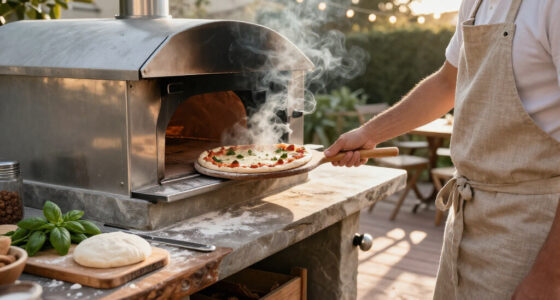
Use a light hand with toppings and launch the pie cleanly with a peel. As it cooks, watch the rim and turn the pizza if the side near the flame darkens first. High-heat pizzas can cook in a few minutes or less, but cooking time depends on the style, oven, and recipe; stay beside the oven rather than walking away to set the table.
Small ovens can cook more than pizza. You may roast vegetables, cook suitable fish or meat, or bake bread if the temperature and cookware fit the job. A tray of peppers softening beside a dinner bake is a useful way to make the oven earn its space, though the oven manual should guide cookware choices and care.
Make safe setup and simple care part of the routine
Safe placement and routine care protect the people around the oven and the oven itself. Set it on a stable surface, follow the specified clearances from buildings and combustible materials, and provide ventilation as the manufacturer directs. Keep children and pets away while it heats and cooks; the dome and nearby tools can remain dangerously hot even after the flames die down.
Before a weekend cookout, check that the stand feels steady and that the peel has a clear route from the oven to the table. Put heat-resistant gloves and other tools within reach, but leave fuel and loose items where they cannot interfere with the cooking area. For gas, electric, or other fuel systems, follow the specific handling and hookup directions for that model.
After cooking, let the oven cool before cleaning. Remove ash if your model produces it, and brush the cooking surface only as the manufacturer recommends. Porous stone may be damaged by water or detergents, so skip the tempting sink-side scrub unless the manual says it is safe. Keep the surface dry, too.
Some models are made to sit outdoors, but rain and prolonged moisture can still damage materials. A suitable cover can help when the oven is cool and stored as directed. If your setup involves electrical work, gas connections, structural support, or roof work, use a licensed professional and follow the applicable permits and safety requirements. A tidy, well-planned setup makes the next pizza night feel much less like a balancing act.
Decide whether the oven will earn its spot
An outdoor oven makes sense when its speed and cooking style fit how often you cook. If you host pizza nights most weekends and enjoy experimenting, the cost and learning curve may pay off in dinners you look forward to. If you bake one pizza a month, a home oven with a stone or steel may already cover your needs at lower cost and with less storage trouble.
Consider a household that loves crisp, fast-baked pizzas but has a narrow patio. A portable gas model may be easier to store than a permanent installation, provided local rules allow it and there is a safe place to use it. A family that prefers wood smoke and has room to store fuel may enjoy a wood-fired model, but someone looking for push-button cooking could find fire management tiring rather than charming.
Remember that a maximum temperature claim is only one part of the buying decision. Insulation, cooking-surface heat, capacity, and recovery after loading can affect whether several pizzas come out consistently. Accessories and fuel add to the total cost, too. The peel is a practical first purchase; a turning peel, brush, cover, thermometer, or stand may help depending on your setup.
Use the oven’s real job as your test: where it will sit, how often you’ll fire it up, and who will manage the heat. If that picture feels inviting rather than burdensome, the oven may turn an ordinary dinner into a lively gathering, with charred crusts and warm slices moving straight from the patio to the table.
Frequently Asked Questions
Are outdoor pizza ovens worth buying?
They can be worth it if you cook pizza often and enjoy high-heat baking or hosting. If you make pizza only occasionally, consider whether a home oven with a stone or steel meets your needs before paying for extra equipment, fuel, and storage.
Which fuel should I choose: wood, gas, pellets, or charcoal?
Choose based on what matters most to you. Gas generally offers convenient heating and adjustment; wood and charcoal can add smoky character but call for more fire management and cleanup. Pellet controls vary by design, so check the specific model.
Can I use an outdoor pizza oven on a balcony?
It depends on local fire rules, building or lease conditions, ventilation, required clearances, and the oven’s instructions. Check those requirements before you buy or use one; a small footprint does not mean balcony use is permitted.
Why does my crust burn while the base stays pale?
The flame or upper heat may be stronger than the heat stored in the cooking surface. Let the surface heat fully, check its temperature if your tools allow, and turn the pizza to prevent one side from browning too fast.
Can an outdoor pizza oven cook other foods?
Many models can cook bread, vegetables, fish, or meat when the temperature and cookware suit the food. For example, you might roast a tray of vegetables while preparing dough, but follow the oven maker’s guidance for cookware and cleaning.
Conclusion
Choose the oven that fits your space, rules, and appetite for tending heat, then give its cooking surface time to warm fully. That one habit can save a pale-bottomed first pizza and help the rest of the evening run smoothly.
When the crust blisters, the cheese bubbles, and the next pie is already waiting on the peel, you’ll know your setup is doing its job.