TL;DR

Get kitchen gear delivered free — and shop member deals
- Fast, free delivery on millions of items
- Access to Prime Big Deal Days deals on October 6–7
- Prime Video, Amazon Music and more included
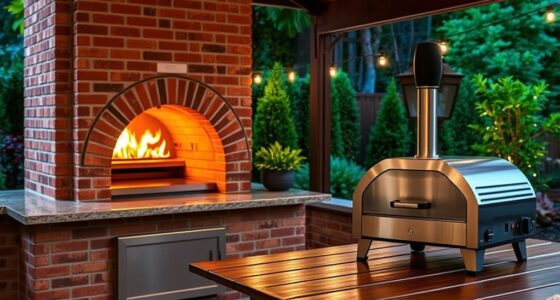
Pizza ovens for backyard cooking can use wood, gas, pellets, or electricity, and each fuel brings a different balance of flavor, convenience, and tending. Many reach 700–950°F, where a thin pizza may cook in 60–120 seconds, but the stone must heat through and balance with the ceiling for an evenly cooked pie. Choose for your space and cooking habits, follow the model’s clearance and connection instructions, and prep toppings before firing up.
Your first backyard pizza can go from pale dough to a puffed, leopard-spotted crust in about 90 seconds—and burn just as fast. A dedicated oven brings fierce heat outdoors, but getting a great pie depends on more than buying the hottest model.
This guide helps you choose between wood, gas, pellets, and electric, match an oven to your space, and learn how to preheat and cook without guessing. You’ll also see what to check before lighting it and which extra costs can sneak into your budget.
Pick fuel by how you cook: gas is quick to control, wood needs tending, pellets use compressed wood, and electric models must be outdoor-rated.
Treat 700–950°F as a common oven range, not proof that the baking surface has heated through.
Use an infrared thermometer to check the stone, and turn fast-cooking pizzas when one side browns sooner.
Budget for the stand, cover, fuel, peel, thermometer, storage, and prep space alongside the oven itself.
Follow model-specific clearance, surface, ventilation, fuel, and connection instructions, plus local outdoor-fire rules.
Choose the fuel that fits your evenings
Pizza ovens for backyard cooking use wood, gas, pellets, or electricity, and the right fuel depends on how much tending you enjoy. This choice matters more than it first appears, because fuel determines your weeknight reality as much as your weekend ambitions: a fuel you find tedious will quietly reduce how often the oven gets used at all.
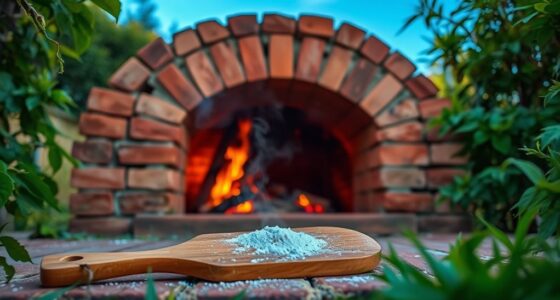
Wood brings a live flame and hands-on cooking, but the flame also needs feeding, and the fire must be managed from ignition through the last pie. That’s rewarding on a slow Saturday and frustrating after a long Tuesday. Gas starts quickly and gives you direct control, which matters most when you’re cooking several pizzas in a row and want repeatable results rather than a new fire-reading challenge with each bake. Pellets burn compressed wood and can need less attention than a traditional fire, sitting between the two in flavor and effort; the tradeoff is a dependence on the oven’s feeding system, which becomes the part most likely to need maintenance. Outdoor-rated electric ovens suit some patios where open flames are restricted, trading live-fire character for the freedom to cook where wood or gas simply isn’t allowed.
It’s also worth being honest about flavor claims. Wood does not automatically make every pizza taste smoky; a hot, clean-burning fire cooks so fast that only subtle aromatic notes transfer. What live fire genuinely changes is the experience—flame management, charring patterns, and the ritual—so choose wood because you want the process, not just a flavor promise.
Some oven lines offer interchangeable fuel attachments, which can let you choose convenience one night and live fire another. That flexibility is genuinely useful if your cooking mixes quick weeknight dinners and slower weekend sessions, but check the exact model’s compatibility and accessory costs before counting on it—fuel conversion kits sometimes cost a meaningful fraction of the oven itself.
- Wood: hands-on flame and smoke, with more tending and ash to manage; best if the ritual is part of the appeal.
- Gas: quick starts and easy adjustment, with a connection to set up as directed; best for repeatability and speed.
- Pellets: wood fuel in a compact form, with the oven’s feeding system affecting how often you intervene; a middle ground in effort.
- Electric: simple temperature control where flames are impractical, if the unit is rated for outdoor use; trades flame character for accessibility.
Know what 700–950°F really means for your pizza
Pizza ovens for backyard cooking often reach about 700–950°F (370–510°C), and at that heat a thin Neapolitan-style pizza may cook in 60–120 seconds. Understanding why that speed changes everything is the real lesson: at those temperatures, the margin between a puffed, leopard-spotted rim and a blackened pie is measured in tens of seconds. Everything you do—topping prep, launch technique, turning—has to happen before the pizza goes in, because there is no time to fix problems mid-bake. That’s the core implication of high heat: it rewards preparation and punishes improvisation.
A display or thermometer reading near the flame does not prove the baking surface is ready, and this is where many beginners go wrong. A pizza cooks from two directions at once: the stone conducts heat into the base while the ceiling radiates heat onto the toppings. If the stone lags, the toppings scorch before the dough sets, giving you a blackened top over doughy bread. If the stone is ready but the flame has died down, you get a pale pie with a tough base. Because the two heat sources behave differently and recover at different rates, the only way to know where you stand is to measure the surface itself—an infrared thermometer reads the stone directly and turns guesswork into a repeatable starting point.
Preheating time varies with design, fuel, weather, wind, and how much material the oven must heat, and the reason is physics: a heavy stone stores a large amount of energy, and that stored energy is what cooks the base of every pizza that follows. Wind strips heat from the opening and cold air slows the whole system, so a chilly, gusty evening can push a compact oven well past its quick-start promise. Your best cue is a stable surface reading rather than the clock, confirmed with a test pizza cooked without scorching.
High heat suits thin pies because the crust finishes before the interior dries out. For a thicker crust, New York-style pizza, or a pan pizza, the same heat is a liability: the base burns long before the middle cooks. The solution is deliberately lowering the temperature and extending the bake, which is why heat control—not maximum temperature—is the more useful measure of an oven’s versatility. A pizza oven can also cook flatbreads, vegetables, meat, and baked dishes; dialed down, the same oven becomes a small outdoor roasting chamber, which is a real argument for buying a model with adjustable output.
Match the oven size to your patio and pizza plans
Pizza ovens for backyard cooking range from portable compact models to heavier ovens with more cooking room and thermal mass, and the size decision shapes every cooking session after it. Thermal mass—the amount of heat-storing material in the oven—matters because it determines recovery: a heavy oven rebounds quickly between pizzas, so your sixth pie cooks as fast as your first, while a light oven loses pace as the stone drains heat. The tradeoff is that mass means weight, and weight means a permanent spot, a sturdier base, and a bigger commitment of patio space.
For a couple sharing one pie, a compact oven may be plenty, and its portability lets you cook wherever the evening happens. If you’re feeding a family in batches, a wider cooking surface changes the experience more than it might seem: extra room means room to launch without folding the pizza, room to turn it mid-bake, and room to keep a warming pie at the edge while the next one cooks. But that same oven needs a stable spot and space for a stand, peel, and prep area—so the real footprint is larger than the oven itself.
Compare complete ownership costs, not just the sticker price, because the accessories are not optional in practice. A turning peel, infrared thermometer, stand, weather cover, and ongoing fuel can add a significant fraction to the purchase, and discovering that after delivery is how budgets get blown. Before buying, check pizza capacity, storage options, fuel availability in your area, cleaning needs, and the manufacturer’s weather-protection instructions—these details determine whether the oven is a joy or a burden two summers from now.
| What you value | What to look for | Tradeoff to expect |
|---|---|---|
| Easy storage or travel | Compact, portable oven | Less cooking space and often less thermal mass, so slower recovery between pies |
| Cooking several pizzas | Wider surface and stable stand | More room, weight, and setup cost; needs a dedicated spot |
| Weeknight convenience | Fuel system with quick starts and clear controls | Less live-fire involvement and character |
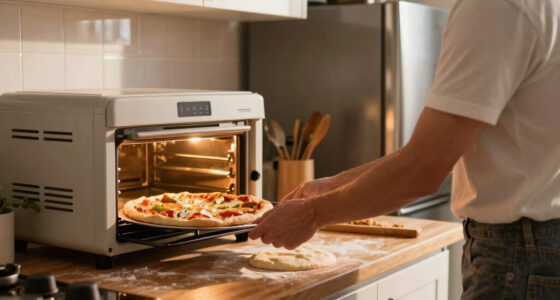
| Simple patio operation | Outdoor-rated electric model, where suitable | Power supply location and outdoor rating limit placement |
Set up safely before the first flame
Pizza ovens for backyard cooking need a stable location, the clearances specified by the manufacturer, and ventilation suited to their fuel. The reason clearances matter so much is that these ovens vent extremely hot air and can throw sparks from the opening—so nearby fences, awnings, and overhead structures aren’t just “close,” they’re potential fuel. Keep the oven away from structures and combustible materials, and check local rules for outdoor fires; some municipalities treat wood-fired ovens differently from gas, which can change what you’re allowed to install. The right distance depends on the model and local requirements, so use the product instructions and local authority guidance rather than a guessed number—clearance tables exist because heat radiates further than most people expect.
A wooden deck is not automatically a safe place for an oven, and the risks compound: conductive heat can char the surface beneath, sparks can lodge in gaps, the oven’s loaded weight can exceed what the structure was built for, and the maker’s surface rules may exclude wood entirely. Any one of these is enough to cause damage or void a warranty. Choose a stable, noncombustible surface when the instructions call for one, and keep children, pets, and loose items away from the hot opening—an oven at 900°F radiates painful heat well beyond its face. Use only approved fuel (treated lumber or resinous wood can release harmful chemicals and pop sparks), and let the oven cool before moving or covering it.
For a gas model, follow the manufacturer’s connection and leak-check directions; the stakes of a guessed gas fitting are high enough that bringing in a licensed professional when the installation calls for gas work is cheap insurance. For an electric model, use a unit rated for outdoor conditions and the specified electrical supply, since indoor-rated electronics left outdoors fail in damp weather. Rain protection matters too: a cover helps only when the oven is cool and the maker permits covering it, because trapping residual heat under a cover creates condensation that can rust or crack components.
Before lighting: confirm clearances, a steady base, airflow, fuel requirements, and any local fire rules. Never guess at a gas or electrical connection.
Follow four steps for a crisp base and balanced toppings
Pizza ovens for backyard cooking reward preparation because the cooking window can last just a minute or two—and within that window, the problems you’ll face are almost always diagnosed after the fact. The steps below are arranged so that each one prevents a specific, common failure: uneven heating, soggy centers, one-sided charring, and mismatched top-and-bottom doneness.
- Preheat fully. Give the oven time to heat through, then use an infrared thermometer to check the baking surface. This matters because the stone is your base-cooking engine: launching onto a half-hot stone means a pale, gummy underside no matter how good your dough is. A glowing flame is not the same as a ready stone.
- Prepare before launching. Stretch the dough, add a modest layer of sauce and toppings, and keep your turning peel nearby. The reason for restraint is moisture physics: wet toppings release steam that has nowhere to escape in a 90-second bake, so a overloaded pie finishes with a soggy center while the rim burns. A lightly floured or semolina-dusted peel helps the dough slide without dragging a gritty layer onto the stone, which can also affect the next pizza’s base.
- Launch and watch. Slide the pizza onto the stone and turn it as needed when one side puffs or colors faster. Uneven browning is normal, not a flaw—ovens have hot spots near the flame—and turning is how you even them out. At high heat, stay close; a minute is enough for a major change, and stepping away is how pies burn.
- Adjust the next pie. Treat each pizza as a diagnostic: if the bottom burns before the top cooks, your stone is outpacing the ceiling—let the surface settle or reduce the flame. If the top browns while the base stays pale, the stone hasn’t stored enough heat yet and needs more preheating. Reading the pattern tells you which of the two heat sources to fix, which is far faster than trial and error.
For example, if the flame side develops dark spots while the far rim stays blond, rotate the pizza rather than waiting for the whole pie to cook untouched. Wind and ambient temperature can shift results from one evening to the next, which is why relying on crust color together with the surface reading beats trusting a fixed timer—conditions change, and your cues should change with them.
Keep your oven ready between backyard dinners
Maintenance is where an oven either becomes a lasting part of your cooking life or an expensive garden ornament, because the two biggest threats—moisture and residue—do their damage slowly. Let the oven cool fully before doing anything: a thermal-shocked stone can crack when cleaned or moved while hot. Clear ash as the maker directs, since accumulated ash can block airflow and hold moisture against metal parts. Wood-fired models leave ash to remove; other designs have their own cleaning routines. Avoid washing a baking stone with soap unless the manufacturer specifically instructs it—stone is porous and absorbs detergent, which can resurface as off-flavors in later bakes, an almost invisible failure you can’t undo.
After a rainy weekend, dry and inspect the oven according to its care guide before firing it again. Moisture left in the stone turns to steam during the next firing, and that expansion is what causes spalling and cracks. Check for signs of weather damage like rust on fasteners or a crumbling stone surface, and store fuel as its maker recommends—damp wood burns cooler and smokier, undoing the heat management you practiced all season. A fitted cover can shield an oven left outside, but don’t trap heat beneath it after cooking; warm air plus a cover equals condensation, which is the exact moisture you’re trying to keep out.
Think about the whole routine as you choose, because upkeep effort is the hidden cost that decides long-term use: where hot peels will rest, where ash will go, and whether you can reach fuel without crossing a crowded patio. Friction compounds—an oven that needs twenty minutes of setup and cleanup for one pizza will be skipped on busy nights. A compact oven that fits neatly beside the door may get used weekly while a large one requiring a major setup gathers dust. The best cooking gear is the gear whose maintenance fits your habits, not the gear with the best specifications.
Frequently Asked Questions
How long does a backyard pizza oven take to preheat?
Preheating time varies by oven, fuel, weather, wind, and thermal mass. Wait for the cooking surface to heat through and check it with an infrared thermometer; a hot flame or dome alone does not confirm the stone is ready.
How long does pizza take to cook in an outdoor pizza oven?
At roughly 700–950°F, a thin Neapolitan-style pizza can cook in about 60–120 seconds. Thicker crusts and pan pizzas need lower heat and more time, so follow the crust and toppings as they cook.
Can I leave my pizza oven outside all year?
That depends on the oven’s materials and care instructions. Let it cool fully, protect it from rain with an approved cover, and inspect it for weather damage before use; a cover does not make every oven suitable for year-round outdoor storage.
Can I use a pizza oven on a wooden deck?
Check the specific oven’s surface and clearance requirements before setting it on a deck. Heat, sparks, weight, and nearby combustible materials all matter; use a stable location and follow the manufacturer’s directions and local fire rules.
Conclusion
Choose your oven around the meals you’ll actually cook, the space you have, and the fuel you want to manage. Then give the stone time to heat through, prep toppings before launch, and keep your eyes on the pie.
When the crust crackles and the last slice disappears under the garden lights, the best oven is the one that brought everyone outside.
Fall Picks
fall essentials
As an affiliate, we earn on qualifying purchases.