
To prevent cracks and stains on your pizza oven’s stone floor, handle it with care by avoiding sudden temperature changes and using gradual heat increases. Regularly clean with gentle tools and a mild, pH-neutral cleaner to keep it free of residue, and avoid harsh chemicals or abrasive scrapers. Monitor for early signs of damage and repair minor issues promptly. For more tips on maintaining your stone floor and ensuring longevity, keep exploring your options.
Key Takeaways
- Allow the oven to cool slightly before cleaning to prevent thermal shock and cracks.
- Use gentle cleaning tools and mild, pH-neutral cleaners to avoid damaging the porous surface.
- Gradually heat the oven to prevent sudden temperature changes that can cause cracking.
- Regularly inspect for early signs of damage or stains and address issues promptly.
- Avoid placing cold ingredients on the hot stone and prevent rapid temperature fluctuations during use.
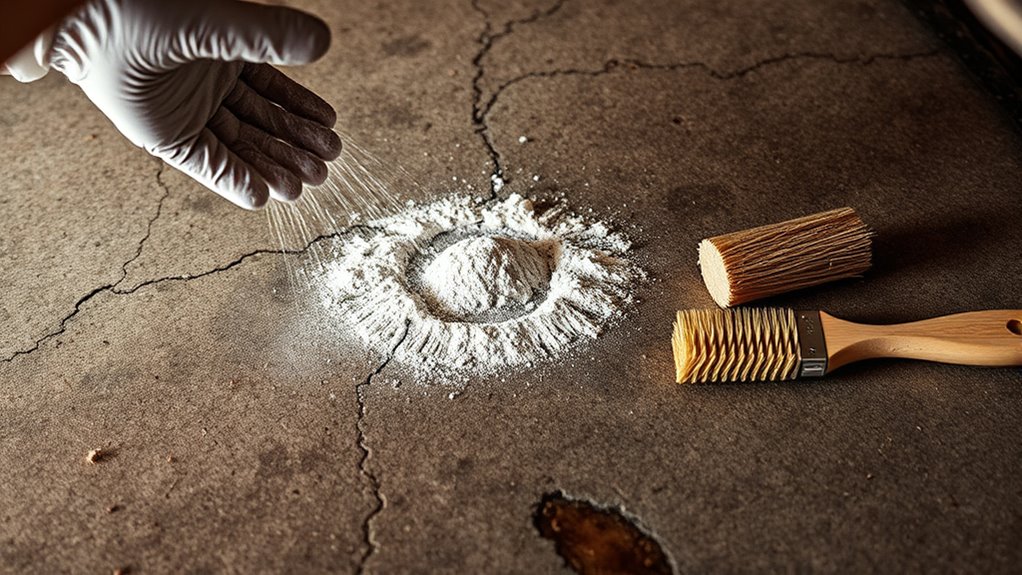
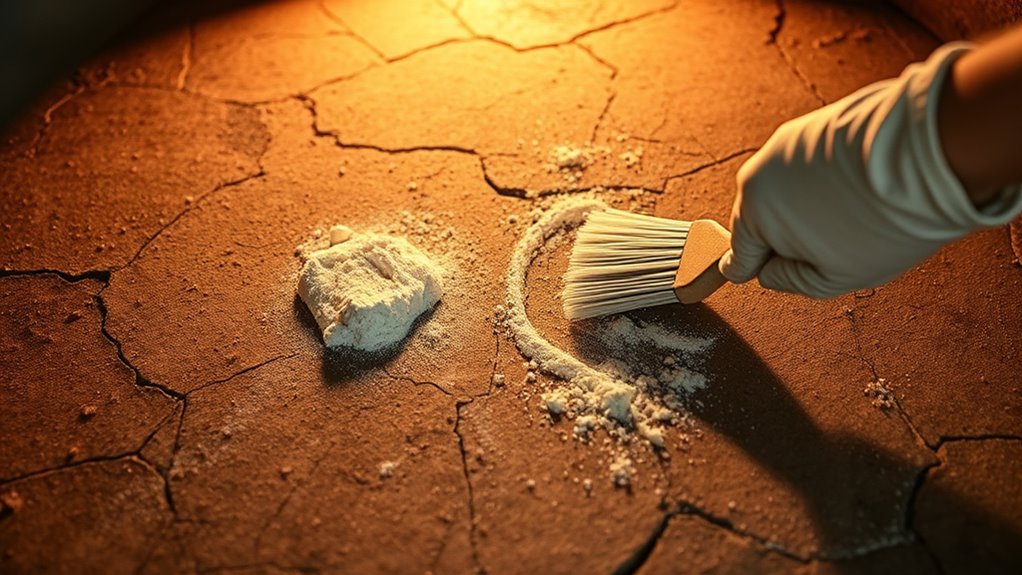
Maintaining the stone floor of your pizza oven is essential for guaranteeing ideal cooking performance and extending its lifespan. Proper upkeep involves understanding cleaning techniques and heat management, both of which play a significant role in preventing cracks and stains. When it comes to cleaning, you want to be gentle but thorough. After each use, allow the oven to cool slightly before removing any loose ash or debris with a soft brush or a scraper designed for stone surfaces. Avoid using harsh chemicals or abrasive tools that can damage the porous surface of the stone. Instead, a damp cloth or sponge can help wipe away surface stains and residue without harming the material. For stubborn spots, a mixture of water and a mild, pH-neutral cleaner can be used, but always ensure you rinse thoroughly to prevent any cleaner residue from affecting future cooking. Proper heat management is equally critical in preserving your stone floor. Rapid temperature changes, such as pouring cold water on a hot surface, can cause the stone to crack. To prevent this, always allow the oven to heat gradually and avoid sudden temperature shifts. When firing up, start with a low temperature and slowly increase it over time, giving the stone a chance to expand evenly. During cooking, monitor the heat levels carefully, ensuring they stay within the oven’s recommended range. Overheating can lead to thermal stress, which weakens the stone and increases the risk of cracking. If you notice any uneven heating or hot spots, adjust your airflow or fuel input to distribute heat more evenly across the surface. Also, avoid placing cold or frozen ingredients directly on the hot stone, as the sudden temperature drop can cause cracks or stains. Regularly inspecting your stone floor helps catch early signs of damage, allowing you to address issues before they worsen. If you notice minor cracks or stains, use appropriate repair techniques or contact a professional for guidance. Combining effective cleaning techniques with prudent heat management ensures your pizza oven’s stone floor remains in top condition, delivering consistently delicious results. By respecting the natural properties of the stone and handling it with care, you’ll extend its useful life, maintain ideal cooking conditions, and prevent costly repairs down the line. Taking these simple steps makes a big difference, helping you enjoy perfect pizzas every time without worrying about stains or cracks compromising your oven’s performance.
Frequently Asked Questions
Can I Use Soap to Clean My Pizza Oven’s Stone Floor?
You shouldn’t use soap cleaning on your pizza oven’s stone floor because it can leave residues that affect food flavor and make stain removal more difficult. Instead, opt for a dry brush or a damp cloth with hot water for regular cleaning. For stubborn stains, use a mixture of baking soda and water. Avoid harsh chemicals to keep your stone floor in great condition and prevent damage.
How Often Should I Reseal or Reseason the Stone?
You should reseal or reseason your pizza oven’s stone floor every 6 to 12 months, depending on how often you cook. Follow sealing frequency recommendations based on your usage, and keep an eye out for stains or cracks. For best results, use reseasoning tips like applying a thin layer of oil and heating the stone properly. Regular maintenance helps prevent damage and keeps your oven in top shape.
What Should I Do if the Stone Develops Small Cracks?
Think of your stone as a resilient garden path. When small cracks appear, you should perform crack repair promptly, filling them with a high-temperature, food-safe sealant to prevent further damage. Regular crack prevention guarantees your oven remains sturdy and your pizza remains perfect. If you ignore these tiny fissures, they can grow, leading to more extensive damage. Stay vigilant, repair cracks early, and your stone will serve you deliciously for years.
Is It Safe to Use a Metal Scraper on the Stone?
Using a metal scraper on your pizza oven’s stone floor isn’t recommended because metal tools can cause damage or cracks. Instead, avoid abrasive cleaning methods that might harm the stone. Opt for a plastic or wooden scraper to gently remove stuck-on food. You want to protect the stone’s integrity, so steer clear of metal tools and abrasive cleaning, ensuring your oven stays in great shape for delicious pizzas.
Can I Move or Replace the Stone Floor Easily?
You can move or replace the stone floor, but it’s not always straightforward. Carefully remove the stone for replacement, following proper stone removal tips to prevent damage. You’ll need patience and the right tools to lift it without cracking. Once removed, replacing it requires precise positioning and leveling. With some effort, you can do it yourself, but knowing these tips ensures it goes smoothly—and keeps your oven in perfect shape.
Conclusion
Caring for your pizza oven’s stone floor is like tending a quiet garden; with patience and attention, it thrives. A well-maintained stone is your oven’s sturdy heart, quietly fueling perfect pizzas and warm gatherings. When you protect it from cracks and stains, you preserve its spirit, ensuring many more delicious moments. Think of your efforts as nurturing a timeless treasure—each care step a seed planted for future joy and flavorful memories.