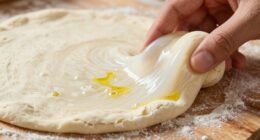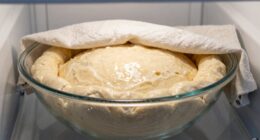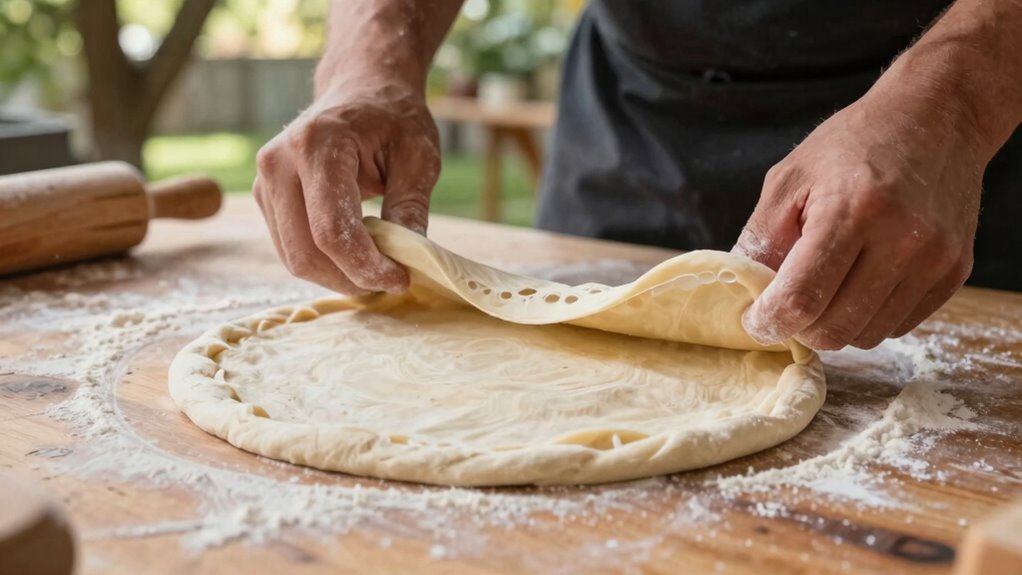

To stretch pizza dough like a backyard pro, start with well-hydrated, rested dough that’s covered to relax gluten. Lightly flour your surface and hands, then gently press your dough into a flat disc. Lift and stretch from the center outward, rotating it as you go, using your knuckles and gravity to help. Avoid forcing it to prevent tears, and if resistance comes, let it rest a moment. Keep these tips in mind to master a perfect crust—there’s more to learn ahead.
Key Takeaways
- Rest the dough covered to allow gluten relaxation, making it easier to stretch without tearing.
- Lightly flour the surface and your hands to prevent sticking during stretching.
- Gently press the dough into a flat disc, then lift and stretch from the center outward using your knuckles.
- Rotate the dough frequently to ensure even stretching and avoid thinning too much in one area.
- Use patience and feel the dough’s elasticity, stopping when you reach an even, thin crust without resistance.
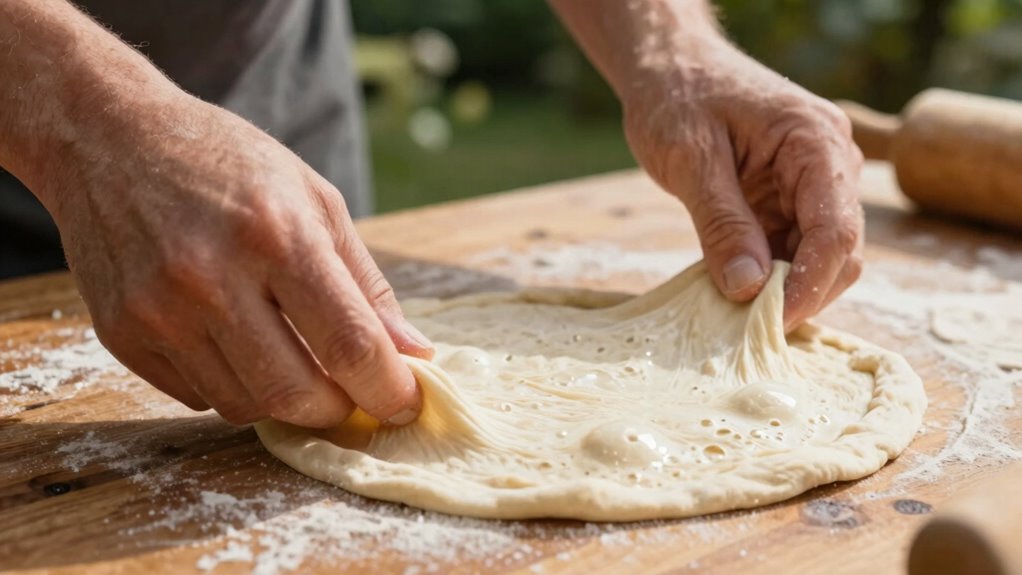
Stretching pizza dough might seem tricky at first, but with the right technique, it becomes an easy and satisfying step in making your perfect pizza. The key lies in understanding how dough hydration and gluten development work together to give you that perfect balance of stretchability and resilience. Dough hydration, or the amount of water relative to flour, influences how soft and elastic your dough feels. If it’s too dry, it won’t stretch easily; if it’s too wet, it might stick or tear. Achieving ideal hydration ensures your dough is neither too stiff nor too sticky, making hand-stretching much smoother. As you prepare your dough, make sure it’s well-hydrated but not overly wet, so it retains enough elasticity for stretching without losing its structure.
Next, focus on gluten development. When you knead your dough properly, you activate gluten strands, which give the dough its strength and elasticity. Proper gluten development means your dough can stretch thin without tearing or shrinking back. If you’ve kneaded enough, you’ll notice the dough feels smooth and slightly tacky but resilient. This elasticity is what allows you to stretch the dough by hand without using a rolling pin, which can sometimes flatten the delicate gluten strands. Resting the dough after kneading also helps gluten strands relax, making it easier to stretch. Cover it with a damp cloth and let it sit for at least 30 minutes—this resting period is vital for better gluten development and easier handling. Additionally, understanding the role of dough hydration can help you troubleshoot common stretching issues. Incorporating proper gluten development techniques enhances your ability to handle the dough effectively and achieve a uniform crust. Furthermore, paying attention to the dough’s elasticity during stretching can prevent tearing and help you work more efficiently.
When you’re ready to stretch, lightly flour your work surface and your hands to prevent sticking. Gently press the dough into a flat disc with your fingertips, then lift it and begin to stretch from the center outward. Use your knuckles to gently push the dough, letting gravity assist your stretching. Don’t be tempted to force it; if you encounter resistance, let the dough rest for a few more minutes. As you work, keep the dough rotating so it stretches evenly. Be patient—stretching by hand allows you to feel the dough’s elasticity and adjust your technique accordingly. With practice, you’ll develop a sense of how much force to apply and how to handle the dough delicately. Remember, the goal is to achieve an even, thin crust that isn’t tearing or shrinking back. This careful balance between dough hydration and gluten development is what turns a simple ball of dough into a beautifully stretched pizza base, ready for toppings and oven.

Orblue Pizza Dough Docker Pastry Roller with Spikes, Pizza Docking Tool for Home & Commercial Kitchen – Pizza Making Accessories that Prevent Dough from Blistering, Black
Perfect Dough, Perfect Pizza – Even first-time bakers can use this pizza dough roller. Press and roll over…
As an affiliate, we earn on qualifying purchases.
As an affiliate, we earn on qualifying purchases.
Frequently Asked Questions
How Do I Prevent Dough Tearing While Stretching?
To prevent dough tearing while stretching, start with well-rested dough, which improves dough flavor and elasticity. Gently handle it, avoiding overstretching, and use your hands rather than a rolling pin to maintain control. Incorporate proper baking techniques, like gradually stretching from the center outward, and keep the dough lightly floured to reduce sticking. These steps help you achieve a smooth, tear-free pizza crust every time.
What Tools Can Help in Hand-Stretching Pizza Dough?
To help in hand-stretching pizza dough, use a bench scraper or dough scraper to lift and turn the dough easily, maintaining its dough elasticity. A pizza peel with a smooth surface can help transfer the dough without tearing. Keep your hands lightly dusted with flour dusting to prevent sticking, which allows you to stretch the dough smoothly. These tools and techniques make hand-stretching more manageable and help prevent tears.
How Thin Should the Pizza Dough Be Stretched?
You should aim for a thinness that’s almost like a whisper—about 1/8 inch thick—so your pizza cooks evenly and crisply. To get there, rely on your dough’s elasticity and gently stretch it, using plenty of flour dusting to prevent sticking. Keep a close eye on its thinness, making sure it’s even across the surface without tearing, and you’ll get that perfect, crispy crust everyone loves.
Can I Stretch Cold Dough Effectively?
You can stretch cold dough, but it’s more challenging because lower dough temperature makes it less elastic. To improve your stretching techniques, let the dough sit at room temperature for about 15-20 minutes before working with it. Use gentle, even pressure and turn the dough as you stretch to prevent tearing. Keeping your hands lightly floured helps prevent sticking, making the process smoother and more effective.
How Long Should I Let the Dough Rest Before Stretching?
Let the dough rest for at least 1 to 2 hours after dough fermentation to allow yeast activity to settle and gluten to relax. This resting period makes stretching easier and reduces tearing. If you refrigerate the dough, aim for a minimum of 8 hours or overnight. Proper resting times guarantee the dough is pliable, resulting in a better stretch and a more delicious, evenly cooked pizza.

OXO Good Grips Stainless Steel Multi-Purpose Scraper & Chopper, Dough Cutter for Pizza, Bread and Cookie Dough, Multi-Purpose Vegetable Chopper, Dishwasher-Safe Kitchen Essential
Versatile kitchen essential: This stainless steel scraper, dough cutter and vegetable chopper makes portioning pizza dough, cutting cookie…
As an affiliate, we earn on qualifying purchases.
As an affiliate, we earn on qualifying purchases.
Conclusion
Now that you know how to stretch pizza dough like a backyard pro, you’re ready to impress friends and family with your homemade pizza skills. With patience and practice, your dough will become as flexible as a gymnast, giving you a beautifully thin crust every time. Remember, the key is to stay relaxed and confident, letting your hands do the work. Soon enough, you’ll be creating pizzeria-quality pies right in your backyard.

Old Stone Round Pizza Stone, 16-Inch
Makes restaurant quality pizzas, bread, pastries and vegetables
As an affiliate, we earn on qualifying purchases.
As an affiliate, we earn on qualifying purchases.
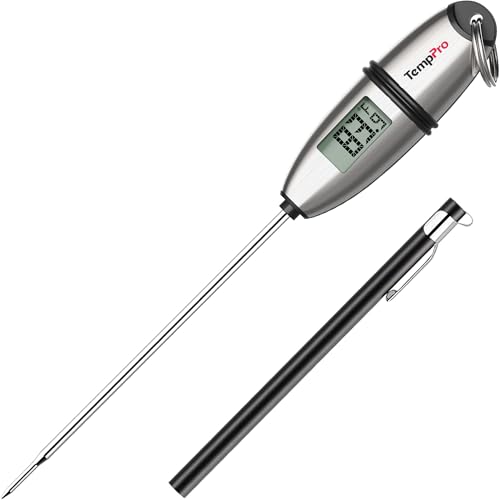
TempPro TP02S Digital Food Thermometer for Cooking Bread Baking Sourdough Liquids, Meat Thermometer Digital with Super Long Probe for Kitchen BBQ Yogurt Candy Making Accessory (Previously ThermoPro)
Fast and Accurate Reading: Kitchen thermometer for cooking features a 1 to 3 second readout speed and high…
As an affiliate, we earn on qualifying purchases.
As an affiliate, we earn on qualifying purchases.