
TL;DR

Get kitchen gear delivered free with Prime
- Fast, free delivery on millions of items
- Prime Video, Amazon Music and more included
- Member-only deals all year
Interest in making Sicilian busiate pasta at home is rising, driven by a trend signal. This article provides a detailed, step-by-step guide to preparing authentic busiate, emphasizing traditional methods. The trend’s origin remains unconfirmed.
Amid increasing online searches, a growing number of home cooks are seeking detailed instructions on how to make Sicilian busiate pasta from scratch. This trend reflects a rising interest in traditional Italian cuisine, particularly regional specialties, though the exact origin of this surge remains unconfirmed.
Recent data shows a spike in searches related to preparing Sicilian busiate, a distinctive spiral-shaped pasta native to Sicily. While no official source has confirmed the reason for this increase, culinary enthusiasts and food bloggers suggest that the trend may be driven by a broader movement toward homemade, authentic Italian dishes.
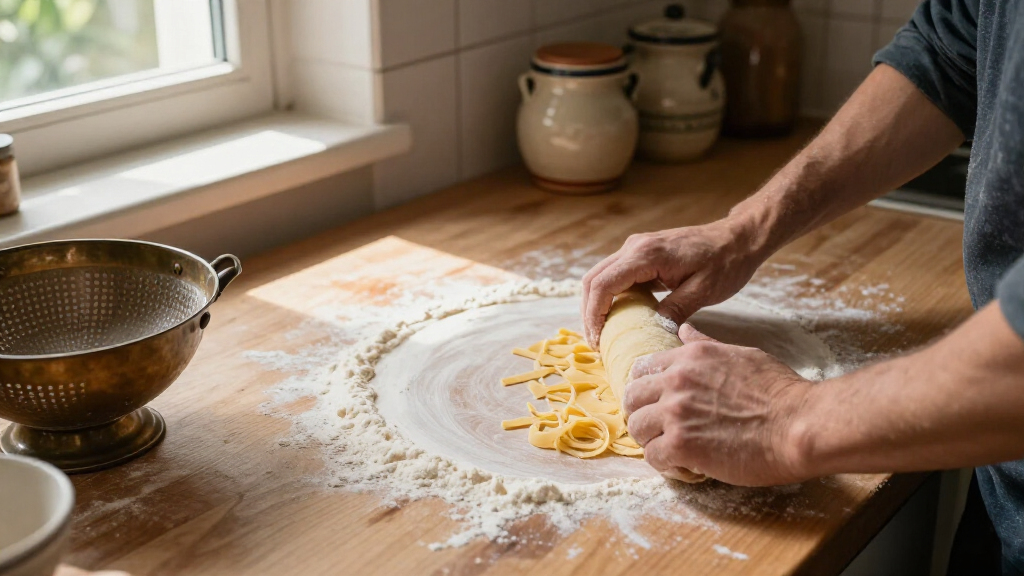
This article provides a comprehensive, step-by-step guide to making busiate at home, emphasizing traditional techniques. The process involves preparing a simple dough from durum wheat semolina flour and water, then shaping the pasta using a specific method that mimics the traditional tool called a ‘ferro’ or ‘busia.’ The method aims to replicate the characteristic spiral shape, which is essential for capturing the flavors of typical Sicilian sauces such as pesto alla trapanese or ragù.
While detailed instructions are now widely available online, the authenticity of homemade busiate depends on following the traditional shaping method carefully. The trend’s rise is notable among food aficionados eager to recreate regional specialties, but the precise reasons for the sudden interest are still unclear.
Why Rising Interest in Making Sicilian Busiate Matters
The increasing demand for homemade Sicilian busiate reflects a broader cultural shift toward traditional, regional Italian cuisine. For home cooks, mastering this pasta offers an opportunity to connect with Sicily’s culinary heritage, which is renowned for its bold flavors and unique shapes that enhance specific sauces. For the food industry, this trend could influence product sales, such as semolina flour and pasta-making tools, and encourage more authentic regional recipes to be shared online.
From a cultural perspective, the popularity of making busiate at home helps preserve and promote Sicily’s culinary identity amid globalized food trends. It also underscores a growing appreciation for artisanal, handcrafted food products, which are perceived as more authentic and flavorful than mass-produced alternatives.
However, the trend’s exact origin remains unconfirmed, and it is unclear whether this surge is driven by a particular influencer, media coverage, or simply a broader interest in Italian regional cuisine. Understanding these dynamics can shed light on how culinary traditions are evolving in the digital age.
Products Worth Considering

KitchenAid Artisan 5-Quart Tilt-Head Stand Mixer, Almond Cream

Instant Pot InstantChill Ice Cream Maker with Rolled Ice Cream Plate, No Pre-Freezing, 2-Pint

KitchenAid Classic Series 4.5 Quart Tilt-Head Stand Mixer (K45SS), Onyx Black
As an affiliate, we earn on qualifying purchases.
Background on Sicilian Busiate and Its Cultural Roots
Sicilian busiate is a traditional pasta shape that has been part of Sicily’s culinary landscape for centuries. Its spiral form is achieved by wrapping dough around a thin rod or using a specialized tool called a ‘ferro’ or ‘busia,’ which gives it the characteristic twist. Historically, busiate was made with durum wheat semolina and water, reflecting Sicily’s agricultural practices.
In recent years, interest in regional Italian dishes has been rekindled through food media, cookbooks, and social media platforms. While the pasta’s popularity has fluctuated over time, the current spike in searches suggests a renewed focus on authentic, homemade recipes. The trend may also be influenced by a broader movement toward traditional Italian cooking, driven by a desire for culinary authenticity and cultural preservation.
It is important to note that the exact catalyst for this trend remains unconfirmed, with no official statement from culinary institutions or media outlets. The phenomenon appears to be part of a larger pattern of increased online engagement with regional Italian cuisine, but specific details are still emerging.
Unconfirmed Origins of the Trend in Homemade Busiate
The exact reasons behind the recent surge in searches for making Sicilian busiate remain unclear. While social media influence and viral recipes are suspected factors, there is no definitive evidence to confirm these causes. Further research is needed to determine whether this is a temporary trend or part of a longer-term shift in culinary interests.
Next Steps for Home Cooks and Food Enthusiasts
As interest in making busiate continues to grow, more instructional content such as tutorials, videos, and workshops are expected to emerge. Food bloggers and culinary educators may focus on teaching traditional shaping techniques and authentic recipes, supporting home cooks in mastering the process. Additionally, demand for semolina flour and specialized pasta-making tools may increase.
Tracking the longevity of this trend will be important for industry stakeholders and culinary communities. Enthusiasts are encouraged to follow the provided instructions to experience Sicily’s culinary tradition firsthand.
Key Questions
What ingredients do I need to make Sicilian busiate?
The main ingredients are durum wheat semolina flour and water. Some recipes may include a pinch of salt, but traditional methods focus on these two components.
Do I need special tools to shape busiate?
Traditionally, a thin rod or a specialized tool called a ‘ferro’ or ‘busia’ is used to shape the pasta. However, some home cooks use a skewer, knitting needle, or chopstick as a substitute.
How long does it take to make busiate from scratch?
The entire process, including dough preparation and shaping, typically takes about 30 to 45 minutes, depending on skill level and familiarity with the shaping technique.
Can I prepare busiate in advance?
Yes, once shaped, busiate can be dried slightly and stored in an airtight container for later cooking. Freshly made pasta is best cooked immediately for optimal texture.
What sauces pair well with busiate?
Traditional Sicilian sauces such as pesto alla trapanese, ragù, or simple olive oil and garlic complement busiate’s shape and texture well.
Source: rss