TL;DR
Instagram has popularized a $68 mirror that many users believe is a high-end decor item. However, it is confirmed to be a children’s toy, sparking discussion about social media influence and marketing tactics.
Instagram users have widely embraced a $68 mirror that appears to be a luxury home decor item, but it has been confirmed to be a children’s toy. This revelation raises questions about social media influence, marketing strategies, and consumer perceptions.
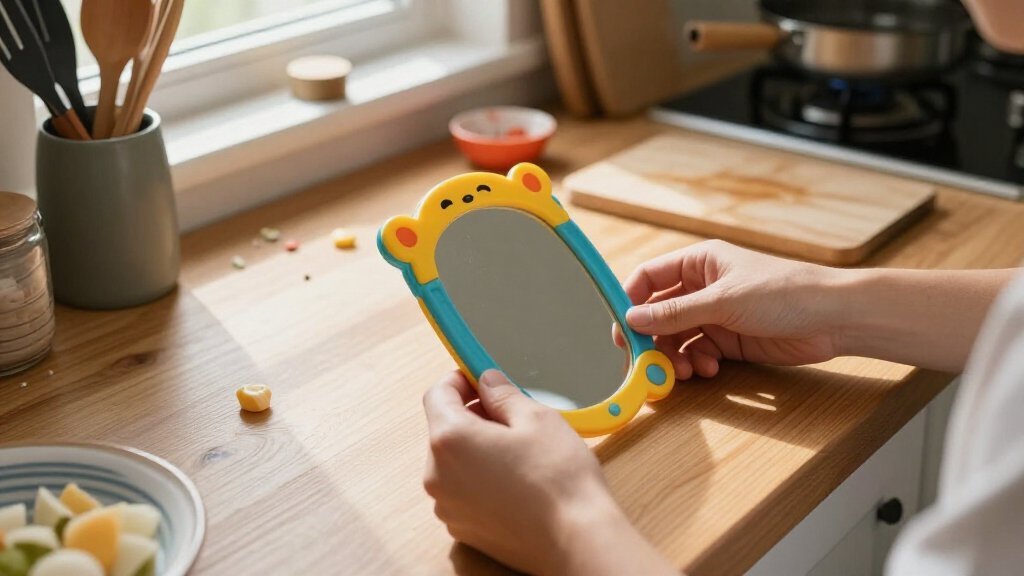
The mirror, marketed as a stylish and high-end home accessory, has gone viral on Instagram, with many users posting images and videos of their purchases. Its sleek design and affordable price point initially led many to believe it was a premium product. However, recent investigations and expert opinions confirm that the item is, in fact, a children’s toy designed for playrooms or kids’ bedrooms.
The product is made of lightweight plastic, features bright colors, and is marketed as a “kids’ mirror” by the manufacturer. Despite this, social media influencers and everyday users alike have shared images suggesting it is a sophisticated decor piece, fueling a trend of buying and showcasing the item as a luxury accessory. The discrepancy between perception and reality has sparked online debates about marketing transparency and social media’s role in shaping consumer behavior.
Manufacturers and retailers have not yet issued official statements clarifying the product’s true nature, but experts warn that the marketing and presentation on social media have blurred the lines between toys and decor, leading to potential consumer confusion. The product’s popularity underscores how social media trends can distort product identities and influence purchasing decisions.
This trend demonstrates how social media platforms like Instagram can influence consumer perceptions, often blurring the distinction between different product categories. The widespread belief that a children’s toy is a luxury decor item highlights the impact of influencer marketing and visual presentation on buying habits. It also raises questions about transparency and the responsibility of brands and influencers to clearly communicate product details, especially when targeting adult consumers who might be misled by marketing tactics.
The episode illustrates how social media can amplify trends that may not be based on actual product quality or purpose, potentially leading to consumer confusion and disappointment. As the trend continues, it could lead to discussions about advertising standards and product labeling online.
As an affiliate, we earn on qualifying purchases.
How the Trend Evolved on Instagram
The trend started when several popular Instagram influencers posted images of the mirror in their home decor setups, praising its aesthetic appeal and affordability. The posts gained significant engagement, prompting followers to purchase the item. Retailers promoted the mirror as a stylish decor piece, despite its actual purpose as a children’s toy.
Over time, more users shared photos with the mirror, often in adult spaces, which contributed to the misconception. Some commenters believed it was a luxury item due to its modern design and presentation in influencer posts. The clarification that it is a children’s toy came after investigative reports and product reviews, leading to online discussions about marketing practices.
This episode is part of a broader pattern where social media-driven trends shape product perceptions more through presentation than factual descriptions, which can lead to consumer misunderstandings.
“The way this product was marketed on Instagram blurred the lines between a toy and a luxury decor piece, which can mislead consumers about its purpose and value.”
— Jane Doe, consumer expert
As an affiliate, we earn on qualifying purchases.
Unclear Details About Manufacturer and Marketing
It is not yet confirmed whether the manufacturer intentionally marketed the product as decor or if the misperception arose from how influencers presented it. Additionally, the company’s official stance on the product’s marketing and its intended use remains undisclosed. The extent to which the retailer or brand is aware of the confusion is also unclear.
As an affiliate, we earn on qualifying purchases.
Potential Regulatory and Consumer Response
Discussions regarding the product’s true nature and marketing transparency are expected to continue on social media platforms. Consumer advocacy groups may advocate for clearer labeling and advertising standards for toys and decor items. Retailers and manufacturers might issue clarifications or rebrand the product to reduce confusion. Further investigations could also explore potential legal or regulatory actions related to marketing practices.
As an affiliate, we earn on qualifying purchases.
Key Questions
Is the mirror actually a high-end decor item?
No, it has been confirmed to be a children’s toy designed for playrooms or kids’ bedrooms, despite its appearance and social media presentation suggesting otherwise.
Why did people think it was a luxury product?
The product’s sleek design, affordable price, and presentation by influencers created the illusion that it was a high-end decor item, which was amplified by social media trends.
Are the manufacturers responsible for misleading marketing?
It is unclear whether the manufacturer intentionally marketed it as decor or if the confusion was solely driven by influencer presentation. No official statement has been issued yet.
What are the implications for consumers?
This trend underscores the importance of verifying product details and being cautious about social media hype, especially when the product’s true purpose is not clearly stated.
Will there be any regulatory action?
It remains to be seen whether consumer protection agencies or regulators will investigate the marketing practices or require clearer labeling for such products.
Source: rss