TL;DR
Outdoor pizza ovens are designed to reach higher temperatures than most home kitchen ovens, helping pizzas cook quickly with a browned, blistered crust. Choose wood for live-fire flavor, gas for straightforward control, or pellets for a compact wood-fueled option; then match the oven’s capacity and upkeep to your space and how often you cook.
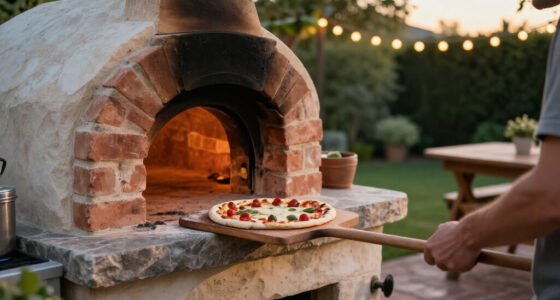
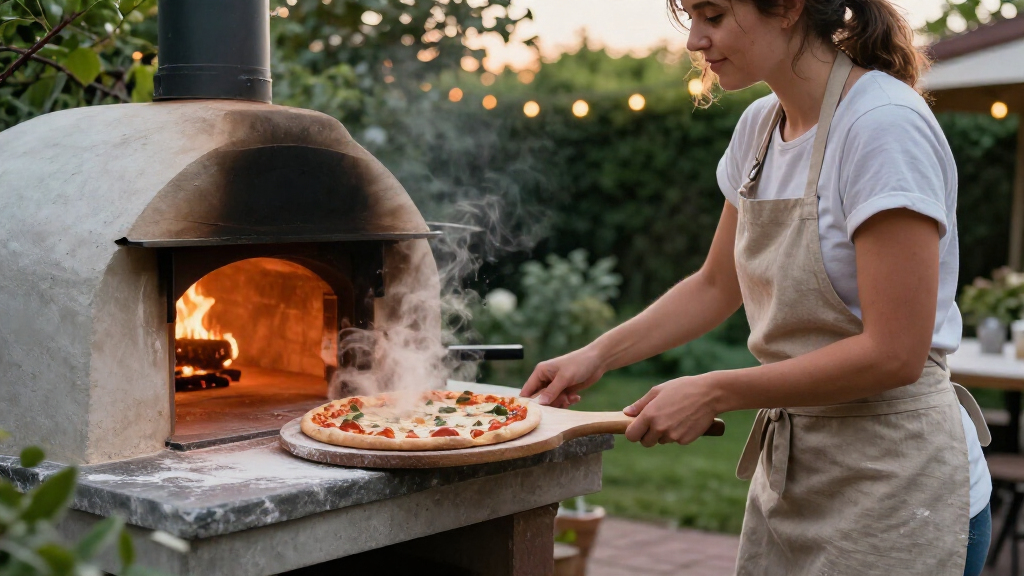
The first pizza comes out with a smoky edge, a blistered rim, and cheese bubbling before you have time to set the table. Then you notice the stone has scorched one dark patch into the bottom. That contrast captures the appeal—and the learning curve—of outdoor pizza ovens.

Get kitchen gear delivered free with Prime
- Fast, free delivery on millions of items
- Prime Video, Amazon Music and more included
- Member-only deals all year
These ovens can reach roughly 700–900°F (370–480°C), far hotter than most home kitchen ovens. At those temperatures, a thin pizza may cook in about one to two minutes, though the oven, fuel, weather, and pizza all affect the result. This guide covers fuel, heat, size, costs, and safety so you can choose a model that suits the way you cook, not just the way its box looks.
You’ll also learn why a hot stone alone doesn’t guarantee a good crust, what to check before buying, and how a patio cookout differs from a permanent masonry installation. A useful oven should make a Saturday dinner easier and more enjoyable—not turn every pizza into a fire-management exam.
Pick wood if tending a live fire is part of the pleasure; pick gas if steady control and convenience matter more; consider pellets when a compact wood-fueled f…
Many outdoor pizza ovens cook around 700–900°F (370–480°C), but heat and cook time vary by model, fuel, weather, and measurement point.
Heat the cooking surface and oven air appropriately; a scorching stone can burn the base before the toppings finish.
Measure both the operating spot and storage space, and choose an oven size that gives you room to turn your pizza.
Budget for accessories, fuel, covers, stands, and upkeep, then follow the manual and local fire rules for safe outdoor use.
Choose the fuel that suits your cooking style
The best fuel for an outdoor pizza oven depends on what you want to manage: wood gives you a live fire and smoke character, gas gives you easier heat control, and pellets offer a compact wood-fueled option. That choice shapes more than flavor. It affects how quickly you can start cooking, how closely you must watch the oven, what you store, and whether the oven feels practical on an ordinary weeknight.
Wood-fired ovens reward attention. You feed the fire, watch the flame, and learn how your particular oven responds. The flame can add a distinctive char and smoke character, but the heat shifts as fuel catches and burns down. This can be part of the pleasure on a long dinner with friends, when tending the fire is part of the gathering. It can feel like a chore when you need to cook six pizzas in sequence: you may need to add fuel, move the pizza to account for hot spots, and keep an eye on the fire while guests wait.
Gas ovens usually make temperature adjustments more predictable. Turning a control lets you change the flame without adding fuel, which can make repeatable weeknight cooking easier. That convenience shifts the work toward setup: you need the correct connection, a reliable fuel supply, and a model whose controls suit your cooking. Gas gives up some of the hands-on fire and wood smoke, so consider whether those are central to the experience you want or simply a nice extra.
Pellet ovens burn compressed wood pellets and often come in portable formats. They can offer wood-fueled cooking without the bulk of a traditional wood setup, but they still need a steady supply of the right pellets and attention to feeding the burn. If pellets are difficult to find locally, or the feeding routine feels fiddly, the compact design may not make the oven convenient in practice.
Some models support more than one fuel, which gives you flexibility but may add parts and steps. Imagine choosing between a gas oven for Tuesday dinner and wood on Sunday: a dual-fuel setup can serve both if you’re comfortable learning each mode and keeping both fuel systems ready. Before paying extra for that flexibility, consider whether you will actually switch modes. Check manufacturer instructions for compatible fuels and operating methods; don’t improvise a conversion.
Compare the trade-offs against your actual cooking habits:
| Fuel | What you get | What you manage |
|---|---|---|
| Wood | Live-fire flavor and hands-on cooking | Fire, fuel, ash, and changing heat |
| Gas | Convenient, adjustable heat | Correct connection, fuel supply, and model guidance |
| Pellets | Wood-based fuel in many compact ovens | Pellet supply and steady feeding |
Before buying, check which fuel is available locally and what the manufacturer says about setup, operating costs, and care. The practical choice is the fuel that fits both the dinner you imagine and the steps you are willing to repeat. A fuel you can reliably get and enjoy handling will usually serve you better than a more romantic option that stays in the shed.
Products Worth Considering

Instant Pot Pro Plus 6-Quart 10-in-1 Electric Pressure Cooker

Vitamix Touch & Go Advance 32-Ounce Bar Blender, White

Traeger Trailhead Portable Wood Pellet Grill and Smoker with Cover and Inverter
As an affiliate, we earn on qualifying purchases.
Read heat claims with a thermometer and a little patience
Outdoor pizza ovens can cook very quickly because many models are designed to reach around 700–900°F (370–480°C), helping pizzas cook in a fraction of the time a household oven needs. Those figures describe a broad range, not a promise: actual heat depends on the model, fuel, weather, and where you measure. A temperature reading is useful only when you know whether it refers to the stone, the air, or a point near the flame; those parts of the oven can be at very different temperatures.
A thin pizza in a well-heated oven may cook in around one to two minutes. That speed is exciting until you turn your back to grab a drink and return to a blackened edge. Thicker dough, generous toppings, or a lower oven temperature need more time because more moisture and food must heat through. A Neapolitan-style pizza calls for intense heat and a short cook; a thicker pan pizza generally needs a gentler, longer bake. Choose an oven and cooking style that work together: an oven optimized for quick, high-heat bakes may take more adjustment if you prefer a slower, thicker pizza.
The stone and oven air both need heat. The stone transfers heat directly to the dough, while the hot air and flame cook the top. If the stone runs hotter than the air above it, the base can burn while the cheese and vegetables still look pale. That mismatch is why cooks often turn the pizza during cooking: a compact oven’s flame may heat one side more strongly. An infrared thermometer can help you check the surface, but follow the maker’s directions and use the reading as one part of judging readiness. The aim is not to chase a single maximum temperature; it is to get the floor and the upper heat working together.
Heat-up time also varies by oven, fuel, wind, and your target temperature. One homeowner might find a portable oven ready for a quick meal sooner on a mild, sheltered afternoon than on a cold, gusty evening. Wind can carry heat away or affect a flame, so a shorter advertised warm-up may not describe your patio conditions. Don’t treat claims like “ready in minutes” as standardized guarantees. Consult the specific oven’s instructions and check its cooking surface rather than relying only on a timer. A longer warm-up can be worthwhile if it lets the stone heat evenly, reducing the risk that the first pizza burns underneath.
If the bottom scorches before the top cooks, pause before changing recipes. Turn the pizza more often, let the floor cool slightly, reduce the flame if your model allows it, or use fewer toppings and less loose flour. Each adjustment addresses a different cause: turning manages uneven flame exposure, while a cooler floor helps when direct contact heat is overwhelming the dough. Treat each early bake as a small lesson in your oven’s hot spots; soon the smell of toasted dough will tell you when to move fast.
Match oven size and portability to your actual patio
The right oven size fits the pizzas you want to make, leaves room to turn them, and has a stable place to live. Capacity affects the pace of a meal as much as the number of people it can serve: a small oven may suit individual pizzas but mean longer waits between rounds, while a larger cooking surface can help feed a group. The trade-off is weight, storage, and setup. A large cooking surface may help when you cook for a crowd, but it can also mean a heavier unit, more storage needs, and a less convenient setup for occasional use.
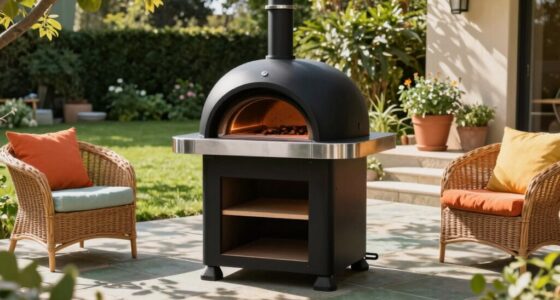
Compact portable outdoor pizza ovens suit patios, camping, and smaller households that want to cook outdoors without installing a permanent structure. Picture carrying one from a garage shelf to a paved courtyard for Friday dinner: portability makes that possible, but the destination still needs a stable, heat-resistant spot and the clearances in the instructions. Consider the whole move, not just the oven’s listed weight: where it cools, where fuel and accessories go, and whether you can set it up without blocking a walkway.
Check the usable cooking surface and opening, not only the exterior dimensions. The pizza needs room to fit and turn without scraping the walls. A slightly smaller oven can work beautifully for two people making individual pizzas; for a family making several back-to-back, capacity and steady heat recovery will matter more. Heat recovery is the oven’s ability to regain cooking conditions after a pizza goes in and out. If it slows between pizzas, a large group may wait longer even when the oven technically fits the pizza size you want. Look for details on the cooking surface material—stone or ceramic floors absorb and transfer heat, while other designs may use different materials.
Large permanent ovens call for more planning. A masonry model needs suitable space, an appropriate base, and more installation effort than a tabletop oven. Its permanence may make sense if you cook outdoors often and want the oven to become part of the patio, but it is harder to relocate and can make future layout changes costly. If the work involves a structural change or roof installation, use licensed professionals and check local codes and permits. For any fuel connection or electrical work, hire a qualified professional; shut off power where applicable and use proper PPE during permitted DIY tasks.
Before you choose, measure the place where the oven will operate and where it will be stored. Then consider the path between the two, including doors, steps, and the space needed to handle a hot peel safely. Ask a practical question: will you gladly set it up on an ordinary Wednesday, or only for a summer party? The answer can point you toward a portable design, a fixed installation, or something in between. The best capacity is the one that fits the meals you actually make without making setup feel like a separate project.
Budget for the full setup, not just the oven
The purchase price is only one part of an outdoor pizza oven’s cost. Add any necessary fuel, peel, thermometer, cover, stand or base, replacement parts, and routine care before deciding whether a premium feature earns its price. These items affect whether the oven is usable from the first cook and whether it remains convenient later; a low oven price can be misleading if the necessary accessories or a suitable place to set it add substantially to the total.
A pizza peel helps you slide a pizza in and lift it back out; an infrared thermometer helps you check the cooking surface. Both can make a first cook less guessy. A cover is useful if you leave an oven outdoors, but its value depends on the maker’s storage guidance and your local rain, snow, and sun. Ask whether replacement stones or other wear parts are available before you buy. A hard-to-replace component can turn a small crack or worn part into a reason to stop using the oven, so availability matters alongside the warranty.
Fuel costs depend on how often and how long you cook, which model you use, and how efficiently it burns. If a manufacturer provides typical consumption, use it as a starting point and compare it with local fuel prices. For example, someone making two pizzas once a month may care more about the oven’s setup cost, while a household hosting weekly pizza nights may care more about recurring fuel and the time needed to heat and clean it. The comparison changes with use: a feature that saves time every week may justify a higher upfront price for a frequent cook, while it may sit unused for someone who cooks only a few times a year.
Ease-of-control features can be worth paying for when they solve a real problem. A predictable gas burner may save frustration if you cook frequently; greater capacity may help when your queue is long. But if you make a few simple pizzas on warm evenings, a top-tier oven’s extra features might not change dinner much. Before paying more, name the problem the feature solves—such as uneven heat, limited capacity, or difficult ignition—and decide how often that problem would otherwise affect your cooking.
Think about upkeep, too. Follow the manufacturer’s directions for removing ash, soot, food residue, and grease; a stainless or stone component may have different care needs from another design. Store the oven as directed and inspect fuel lines or fittings as specified. Upkeep costs include time and possible replacement parts, so a setup that is quick to clean may matter as much as fuel efficiency when you cook often. The best value is the oven you will use often enough to justify its full setup and keep clean enough to enjoy using again.
Use high heat safely and keep the oven ready for next time
Use an outdoor pizza oven outdoors, on a stable, heat-resistant surface, with the ventilation and clearances specified by the manufacturer. Flames, hot stone, and fuel all bring real risks, and an open garage or enclosed patio can trap combustion gases. Never use an outdoor model indoors or in an enclosed space. Clearances matter because nearby walls, furniture, and overhangs can be exposed to intense radiant heat even when they do not touch the oven.
Before lighting it, check the local fire rules and the oven’s operating instructions. Keep children and pets away from the hot cooking area, set tools where you can reach them without crossing a flame, and store fuel as its maker directs. A hot peel or stone can remain hazardous after the flame is out, so decide where tools will rest and keep people from cutting through that area. If wind shifts smoke toward a neighbor’s open window, change the oven’s placement only if the new spot still meets the required clearance and stability rules.
On a first cook, a simple routine reduces surprises:
- Choose the spot: Set the oven on a steady, heat-resistant surface and check its required clearances.
- Prepare fuel and tools: Use only the fuel and setup allowed by the manufacturer; keep a peel and suitable thermometer nearby.
- Heat and check: Follow the instructions for lighting and warm-up, then check the cooking surface instead of relying on the clock alone.
- Cook attentively: Watch the pizza closely at high heat and turn it as needed to manage hot spots.
- Cool and clean: Let the oven cool as directed, then remove residue and ash according to the maker’s guidance.
Each step prevents a different kind of problem: a proper location limits fire exposure, approved fuel avoids unsafe operation, and checking the surface helps prevent a scorched base. Staying close while cooking matters because a pizza can go from pale to burnt in moments at high heat.
Rain, cold, and strong sun can affect outdoor storage and performance. A cover or sheltered storage may help protect many models, but check what the manufacturer allows before covering a warm oven or leaving it outside all year. Moisture can affect some materials, while changing weather can make a sheltered oven heat differently from one exposed to wind. If you cook on a windy autumn evening, the fire may behave differently than it did on a still July afternoon.
Cleaning habits help you spot trouble early. Look for damaged stones, blocked vents, or worn parts during routine care, and replace components only as the maker directs. A clear vent supports the oven’s intended airflow, while a damaged cooking surface may affect heating and become harder to maintain. The goal isn’t to make maintenance complicated: a quick post-cook check helps the oven feel ready instead of dusty and forgotten when you next crave a blistered crust.
Know when an outdoor pizza oven is worth the space
An outdoor pizza oven is worth its space when you value fast, high-heat cooking or the ritual of making pizza outdoors enough to use it regularly. Its value comes from the whole experience—heating the oven, cooking quickly, and sharing the results—not from its maximum temperature alone. If you cook pizza once a year and already like your kitchen oven, a portable model or an existing baking setup may suit you better than a large permanent installation. A permanent oven takes up patio space whether or not it is in use, so frequent outdoor cooking makes that commitment easier to justify.
Think about a household that hosts a Friday pizza night twice a month. Each person shapes dough, chooses toppings, and waits for a pizza that cooks in a couple of minutes once the oven is ready. The oven turns dinner into a shared activity, and the heat and live flame give the cookout a distinctive feel. For that household, the time spent warming the oven and tending the cooking may be part of the entertainment. For someone who mostly wants one quiet meal, the same process may feel like more equipment and cleanup than the result is worth.
Many ovens can cook more than pizza. Depending on the design and temperature range, you may also make flatbreads, vegetables, or roasted dishes. That flexibility can make the oven earn its space more often, but it depends on whether you enjoy adapting recipes and managing heat for different foods. Check the manual for appropriate cookware, cooking methods, and temperature limits before trying a new dish.
Ask yourself how many people you’ll feed, how often you’ll light the oven, and whether you enjoy tending heat. Then compare the size, fuel, storage, and total cost with those answers. These questions help distinguish a genuine use case from the appeal of buying a specialty appliance: a compact gas oven can fit a busy cook who wants a predictable result, while a wood-fired model can delight someone who enjoys the crackle and smoke as much as the meal.
Manufacturers have expanded the category with portable gas, pellet, and multi-fuel models, along with designs aimed at faster setup and steadier cooking. Terms such as “portable,” “high-temperature,” and “ready in minutes” don’t guarantee the same performance across brands. Compare the details that affect your routine—usable capacity, heat-up guidance, fuel requirements, storage, warranty, and current availability—for the model you’re considering. Your best choice is a good match for your space and routine—not the most dramatic number on a product page.
Frequently Asked Questions
How hot should an outdoor pizza oven be?
Many outdoor pizza ovens are designed to cook around 700–900°F (370–480°C), but the right temperature depends on the pizza style and model. Follow the maker’s instructions and check the cooking surface with a suitable thermometer rather than relying only on a timer.
How long does a pizza take to cook?
A thin pizza may cook in around one to two minutes in a very hot oven, while thicker dough or a lower temperature takes longer. Watch it closely and turn it as needed; a compact oven can have strong hot spots.
Is wood, gas, or pellet fuel best?
Wood offers live-fire character and hands-on tending, gas offers more predictable control, and pellets provide a wood-based fuel in many compact ovens. Choose based on your cooking routine, local fuel supply, and how much fire management you enjoy.
Can I use an outdoor pizza oven indoors?
No. Use an outdoor pizza oven outside as directed, with the required ventilation and clearances. Indoor or enclosed use brings serious heat, fire, and combustion-gas hazards.
How do I stop the bottom of my pizza from burning?
Make sure the cooking surface and oven air heat appropriately, then turn the pizza during cooking to manage hot spots. If the base scorches before the toppings finish, let the floor cool slightly or adjust the heat if your model allows it.
Can an outdoor pizza oven stay outside all year?
That depends on the oven’s materials, weather exposure, and manufacturer guidance. A cover or sheltered storage can help protect many models, but check the instructions before leaving one outside year-round.
Conclusion
Choose an oven by matching fuel, size, and upkeep to the way you actually cook. Check model-specific heat guidance, make room for safe clearances, and count the accessories and fuel in your budget.
Then give the first pizza your full attention: watch the bubbling cheese, turn the crust, and learn where the heat gathers. A little practice turns that fierce, glowing box into the heart of a very good evening.