
To clean your wood-fired pizza oven, start by letting it cool completely, ideally for 24 hours, and wear protective gloves and goggles. Remove ashes and debris from the firebox using a metal shovel, then scrape interior walls and the oven floor with a stiff brush or scraper. Clean the racks and exterior with warm water and mild detergent. Regularly inspect and maintain ventilation and seal cracks to keep your oven in top shape—more tips follow to help you master the process.

Get kitchen gear delivered free — and shop member deals
- Fast, free delivery on millions of items
- Access to Prime Big Deal Days deals on October 6–7
- Prime Video, Amazon Music and more included
Key Takeaways
- Ensure the oven is completely cooled for at least 24 hours before cleaning.
- Remove ash and debris from the firebox using a metal shovel and brush, disposing of debris safely.
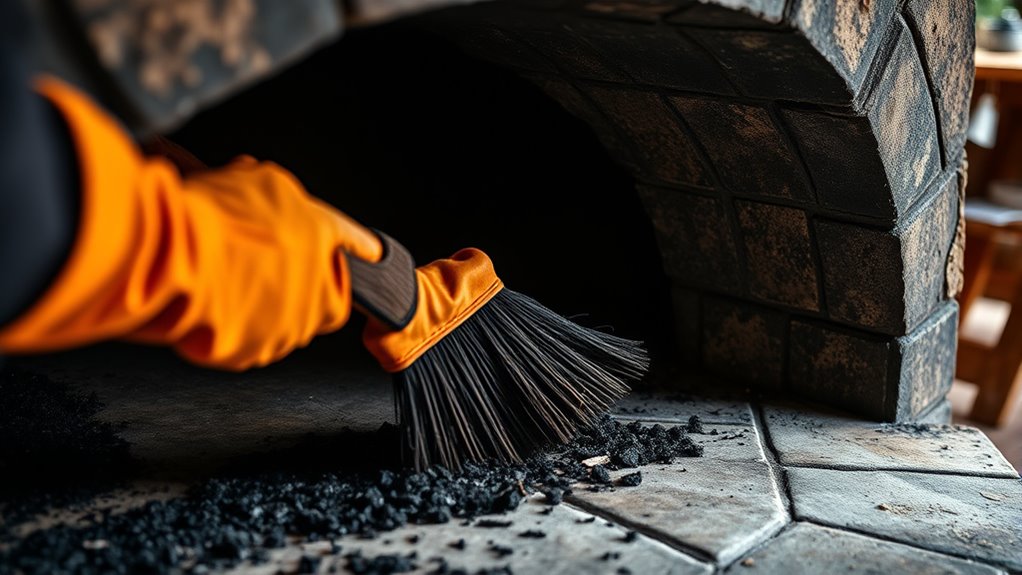
- Scrape interior walls and oven floor with a stiff brush or scraper to remove loose buildup.
- Clean oven racks and accessories with soapy water, rinse thoroughly, and dry to prevent rust.
- Wipe down exterior surfaces and check vents for blockages to maintain proper ventilation and safety.
wood-fired pizza oven cleaning brush
As an affiliate, we earn on qualifying purchases.
As an affiliate, we earn on qualifying purchases.
Gather Your Cleaning Supplies and Prepare the Area
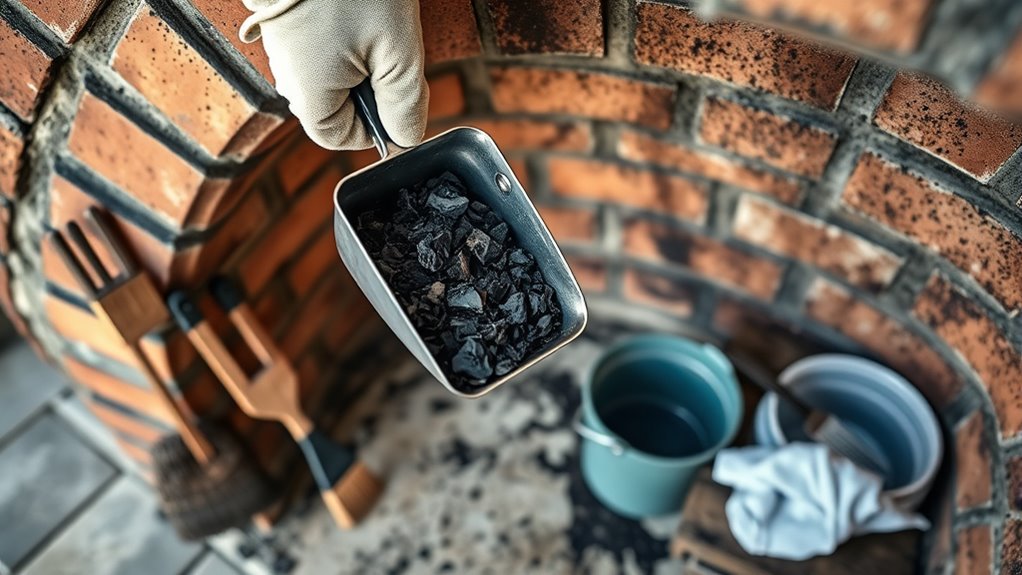
Before you begin cleaning your wood-fired pizza oven, gather all the necessary supplies and prepare the workspace. Start by laying out fire resistant gloves to protect your hands from heat and debris. Grab a variety of cleaning brushes, including stiff-bristled and softer options, to scrub different surfaces effectively. Keep a bucket of warm water mixed with mild detergent nearby for easy rinsing. Have a scraper ready to remove stubborn residue, and prepare a cloth or sponge for detailed cleaning. Clear the area around the oven to ensure safe movement and prevent accidents. Organize your tools so you can access everything easily during cleaning. Proper preparation makes the process safer, faster, and more efficient, setting you up for a thorough and effective clean.
As an affiliate, we earn on qualifying purchases.
Allow the Oven to Cool Completely Before Starting

You should wait until the oven cools completely before cleaning to make certain of burns or injuries. Handling hot surfaces can cause serious harm and damage the oven’s interior. Taking your time to let it cool ensures safety and helps prevent costly damage.
Safety First
Making sure the oven has cooled completely is a crucial first step before starting any cleaning process. Handling a hot oven can lead to serious burn injuries and fire hazards. Always prioritize safety by taking these precautions:
- Wait at least 24 hours after use to ensure full cooling.
- Wear personal protective equipment, such as heat-resistant gloves and safety goggles.
- Keep a fire extinguisher nearby in case of unexpected flare-ups.
- Clear the surrounding area of combustible materials to prevent fire hazards.
Prevent Damage
Allowing the oven to cool completely is essential to prevent damage during cleaning. When the firebrick is still hot, cleaning tools can cause cracks or chips, compromising the oven’s integrity. Cooling also helps protect the firebrick from thermal shock, which can lead to crumbling. Additionally, cooling prevents moisture from being trapped inside while the oven is hot, reducing the risk of corrosion. Rushing to clean while the oven is still warm can damage its structure and diminish its lifespan. Wait until the entire interior is at room temperature before starting your cleaning routine. This simple step guarantees that you’re protecting the firebrick and avoiding unnecessary repairs, keeping your oven in top shape for years to come.
heat-resistant gloves for cleaning
As an affiliate, we earn on qualifying purchases.
As an affiliate, we earn on qualifying purchases.
Remove Ash and Debris From the Firebox

Before you start removing ash and debris, make sure you take safety precautions, like wearing gloves and a mask. Gather all the necessary tools, such as a scoop and brush, so you’re ready to clean efficiently. Once everything’s in place, you can safely clear out the firebox and keep your oven in top shape.
Safety Precautions First
To safely clean your wood-fired pizza oven, you need to start by removing ash and debris from the firebox. Prioritize fire safety by ensuring the oven is completely cooled before working. Always wear protective gear, such as gloves and safety goggles, to shield against dust and sharp debris.
Here’s what to keep in mind:
- Confirm the fire is out and the oven has cooled completely.
- Use a metal ash shovel to carefully scoop out ash.
- Dispose of debris in a metal container to prevent fires.
- Keep your protective gear on throughout the process for safety.
Following these steps minimizes risk and ensures a safe, effective cleaning process.
Gather Necessary Tools
What tools do you need to efficiently remove ash and debris from your firebox? First, gather fireproof gloves to protect your hands from heat and sharp debris. A sturdy brush and scraper are essential for loosening and removing ash and charred materials. You might also want a dustpan or container to collect the debris. Here’s a quick visual:
| Tool | Purpose |
|---|---|
| Fireproof gloves | Protect hands during cleaning |
| Brush | Sweep loose ash and debris |
| Scraper | Remove stubborn residue |
| Dustpan | Collect debris for disposal |
| Vacuum (optional) | Suck up fine ash for thorough cleaning |
Having these tools ready ensures a safer, more efficient cleanup of your firebox.
As an affiliate, we earn on qualifying purchases.
Scrape the Interior Walls and Oven Floor

Start by removing loose debris and ash from the interior walls and oven floor using a stiff brush or a scraper. This step is vital for fire brick maintenance and effective soot removal techniques. To achieve a thorough clean, consider these key steps:
Begin by clearing ash and debris from interior walls and oven floor with a stiff brush or scraper.
- Focus on crevices where soot and debris hide.
- Use a scraper for stubborn buildup on the oven floor.
- Avoid damaging the fire bricks with harsh tools.
- Regularly inspect for cracks or damage after scraping.
This process ensures your oven stays in top condition, promoting even heat distribution and longevity. Proper scraping prevents the buildup of old ash that can affect cooking. Remember, gentle but firm scraping helps preserve the integrity of your fire bricks while removing the accumulated soot and debris.
Clean the Oven Racks and Accessories

Cleaning your oven racks and accessories is essential for maintaining a spotless cooking environment and ensuring your pizza turns out perfectly. Remove the oven racks and any grill accessories, then scrub them with a stiff brush or sponge soaked in warm, soapy water. For stubborn grime or baked-on residue, soak the racks in a mixture of water and baking soda or vinegar before scrubbing. Rinse thoroughly and dry completely to prevent rust. Don’t forget to clean any other accessories, like pizza peels or tools, using similar methods. Keeping your grill accessories and oven racks clean helps prevent cross-contamination and ensures your oven functions efficiently. Regular cleaning also prolongs the lifespan of your equipment and keeps your pizza tasting its best.
Wipe Down the Exterior and Ventilation System

After thoroughly cleaning your oven racks and accessories, it’s time to focus on the exterior and ventilation system. Proper exterior maintenance not only keeps your oven looking good but also ensures it functions efficiently. For effective ventilation cleaning, follow these steps:
Maintain your oven’s efficiency and safety with regular exterior cleaning and ventilation system checks.
- Wipe down the outer surface with a damp cloth to remove soot and dust.
- Check the ventilation system for blockages or buildup, and clear debris.
- Use a gentle brush or vacuum to clean vents and exhaust areas.
- Inspect for rust or damage, and address issues promptly.
These actions help prevent fire hazards and maintain *ideal* airflow. Regular exterior maintenance and ventilation cleaning prolong your oven’s lifespan and improve its performance, ensuring your pizza nights stay enjoyable and safe.
Perform a Deep Cleaning With Appropriate Products

To effectively deep clean your wood-fired pizza oven, selecting the right cleaning products is essential. Focus on eco-friendly products designed for high-heat environments to avoid damage and ensure safety. Seasonal cleaning is a good time to choose plant-based or biodegradable cleaners that remove soot, grease, and ash without harsh chemicals. Use a stiff brush or scraper to loosen debris, then apply your chosen eco-friendly product according to the instructions. These products help break down stubborn grime while being gentle on the oven’s interior. Avoid abrasive chemicals that could corrode surfaces or leave residues. Deep cleaning with appropriate, environmentally safe products guarantees your oven stays in top condition, prolongs its lifespan, and keeps your pizza-making experience enjoyable and safe.
Regular Maintenance Tips to Keep Your Oven in Top Shape

Regular maintenance is key to keeping your wood-fired pizza oven performing at its best. To do this effectively, schedule a seasonal inspection to catch any damage or wear early. Additionally, focus on pest control by sealing cracks and removing debris where pests might hide. Here are four essential tips:
- Conduct a thorough seasonal inspection before each busy season.
- Clean out ash and debris regularly to prevent buildup.
- Seal cracks and gaps to prevent pests and weather damage.
- Monitor and maintain proper ventilation for safety and efficiency.
Frequently Asked Questions
How Often Should I Deep Clean My Wood-Fired Pizza Oven?
You should deep clean your wood-fired pizza oven at least once a year, ideally during seasonal cleaning. Regular oven maintenance, like removing ashes and checking for soot buildup, helps keep it in top shape. After heavy use during the peak season, consider a more thorough cleaning. This prevents damage, improves performance, and guarantees delicious pizzas every time. Consistent upkeep makes your oven last longer and stays safe to use.
Can I Use Harsh Chemicals to Clean the Oven?
You shouldn’t use harsh chemical cleaners or abrasive products on your wood-fired pizza oven. These substances can damage the oven’s surface, especially if it’s made of brick or clay. Instead, choose a natural scrub with water and a soft brush or cloth. Regular cleaning with gentle tools preserves the oven’s integrity and ensures safe, tasty cooking without risking chemical residue or surface damage.
What Safety Precautions Should I Take During Cleaning?
You should always wear protective gear like gloves and eye protection to prevent burns or chemical exposure. Make certain that proper ventilation measures are in place, such as opening doors and windows, to avoid inhaling dust or fumes. Turn off the oven and allow it to cool completely before cleaning. Keep a fire extinguisher nearby, and work in a well-lit area to stay safe throughout the cleaning process.
How Do I Prevent Future Buildup of Soot and Ash?
To prevent future ash buildup and soot, you should regularly remove excess ash after each use, allowing better airflow and reducing soot formation. Use seasoned hardwoods that burn cleaner, and avoid softwoods or treated wood. Maintain proper chimney draft to improve combustion efficiency, and consider installing a soot catcher or screen. Consistent cleaning and proper wood selection are key to keeping your oven cleaner and functioning most effectively.
Is It Necessary to Reseal or Recoat the Oven After Cleaning?
A stitch in time saves nine, so you should reseal or recoat your oven after cleaning. Restoration tips include inspecting for cracks or damage and applying sealing techniques to prevent moisture and heat loss. Resealing helps maintain the oven’s integrity and prolongs its lifespan. If the surface looks worn or porous, reapplying a high-temperature sealant guarantees excellent performance and keeps your pizza oven in top shape for future use.
Conclusion
Keeping your wood-fired pizza oven clean is like tending a faithful friend—requires care and consistency. With each cleaning, you’re not just maintaining its beauty and function, but preserving the magic of every perfect pizza. Remember, a well-loved oven isn’t just about cleanliness; it’s about honoring the craft and passion behind each bake. So, stay committed, and let your oven be a timeless affirmation to your dedication and love for great pizza.
Fall Picks
fall essentials
As an affiliate, we earn on qualifying purchases.