
Just like choosing the right cooker impacts your meal, proper surface prep is key to a lasting, high-quality finish. When you clean, repair, and guarantee compatibility, you help paint or coatings stick better and last longer. Skipping these steps can lead to peeling, cracking, or uneven coverage, which wastes time and money. If you want to know how to master surface prep for perfect results, keep exploring the essential steps that make all the difference.

Get kitchen gear delivered free — and shop member deals
- Fast, free delivery on millions of items
- Access to Prime Big Deal Days deals on October 6–7
- Prime Video, Amazon Music and more included
Key Takeaways
- Proper surface prep ensures even, smooth application, just like a well-prepared surface guarantees a quality paint finish.
- Surface cleanliness and repair prevent issues like peeling or cracking, similar to ensuring a cooker works efficiently.
- Compatibility with materials depends on surface prep, ensuring coatings adhere properly, akin to choosing the right cookware.
- Well-prepared surfaces extend the durability and lifespan of coatings, just as good surface prep enhances the longevity of a cooked dish.
- Proper preparation minimizes rework and costly mistakes, comparable to avoiding kitchen mishaps during cooking.
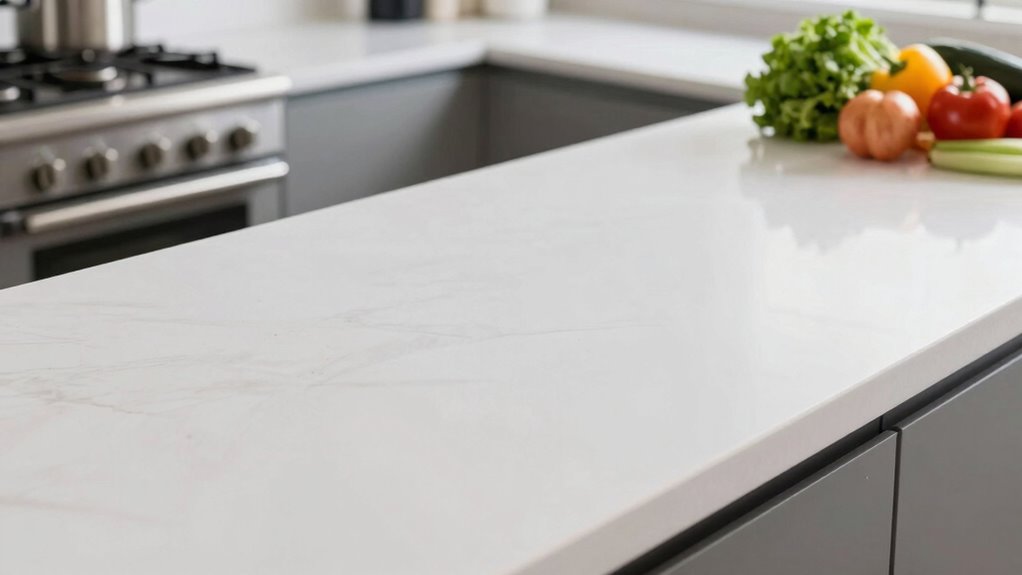
When it comes to achieving a flawless finish, how you prepare your surfaces can be just as important as the materials you choose. Proper surface preparation sets the foundation for a smooth, durable, and high-quality result. If you skip this step or rush through it, even the best paint, primer, or coating might not adhere properly, leading to peeling, cracking, or uneven coverage. Before you start, focus on ensuring surface cleanliness, removing dust, grease, or old paint that could interfere with adhesion. Dirty or contaminated surfaces can prevent materials from bonding effectively, compromising the longevity and appearance of your project. Take the time to clean thoroughly with appropriate solutions—whether it’s soap and water for general dirt or specialized cleaners for grease and oils—to establish a clean, receptive surface.
Material compatibility is another critical aspect of surface preparation. Not all surfaces work well with every type of paint or coating. For instance, oil-based paints won’t adhere properly to glossy surfaces without proper sanding or priming, and certain plastics or metals may require specific primers to ensure compatibility. Understanding your surface material helps you select the right preparation techniques and products, preventing issues down the line. For example, if you’re working with a glossy ceramic tile, you’ll need to abrade the surface slightly to improve adhesion rather than simply applying paint directly. Conversely, porous surfaces like drywall or wood might need sealing or priming to prevent excessive absorption and ensure uniform coverage.
Preparing your surfaces isn’t just about cleaning and compatibility; it’s about creating an ideal environment for your materials to perform their best. When you invest time in proper prep work, you’re reducing the risk of costly mistakes or rework later. Carefully inspect each surface for imperfections like cracks, holes, or uneven areas, and address them before applying any coatings. Sanding rough patches or peeling paint helps create a smooth, uniform base. Remember, the better your surface is prepared, the less work you’ll have to do fixing issues afterward. In the end, this careful attention to detail maximizes the durability, appearance, and overall quality of your finished project, making your efforts worthwhile.
As an affiliate, we earn on qualifying purchases.
Frequently Asked Questions
How Do I Know if My Prep Surface Is Properly Cleaned?
You know your prep surface is properly cleaned when it’s free of residue, grease, and debris. Use effective cleaning techniques like wiping with a damp cloth or mild cleaner, then dry thoroughly. Check for streaks or leftover particles, and confirm the surface looks and feels smooth. Regular surface maintenance keeps it hygienic and ready for your next cooking session, preventing cross-contamination and guaranteeing ideal performance.
Can Surface Material Affect Cooking Times or Outcomes?
Like a car’s engine, your surface material can influence cooking times and outcomes. If the surface isn’t durable or compatible with your cookware, heat transfer may be uneven, leading to inconsistent results. Materials like stainless steel or cast iron typically provide better durability and compatibility, ensuring even heat distribution. Using unsuitable surfaces can slow down cooking or cause sticking, so choosing the right material helps you achieve consistent, delicious results every time.
What Are the Best Tools for Preparing Different Surfaces?
You should use the right tools for surface maintenance to prepare different cooking surfaces effectively. For non-stick pans, a soft sponge or microfiber cloth works best, while stainless steel surfaces benefit from a scrub brush. For stone or ceramic, a gentle scraper is handy. Invest in durable tools that resist wear, ensuring consistent prep. Proper tools enhance surface longevity, promote even cooking, and maintain peak performance for your cooker.
How Often Should I Replace or Upgrade My Prep Surfaces?
You should replace or upgrade your prep surfaces when their surface durability declines or if they no longer match your material compatibility needs. Regularly inspect for cracks, warping, or deep stains, which can compromise hygiene and safety. Upgrading guarantees you maintain a clean, efficient workspace. By choosing durable, compatible materials, you extend your surface’s lifespan and prevent issues, keeping your kitchen safe and high-performing over time.
Are There Eco-Friendly Options for Prepping Surfaces?
Yes, eco-friendly options exist for prepping surfaces. Did you know that using sustainable materials can reduce environmental impact by up to 50%? You can choose surfaces made from bamboo, reclaimed wood, or recycled materials, and clean with eco-friendly cleaning products. These choices help protect the planet while giving your kitchen a stylish, sustainable upgrade. Switching to eco-friendly cleaning and sustainable materials makes a difference for both your health and the environment.
As an affiliate, we earn on qualifying purchases.
Conclusion
Remember, prepping surfaces isn’t just a step—it’s the secret to smooth, successful cooking. Proper preparation prevents problems and promises perfection, making your meals more manageable and enjoyable. So, seize the surface, set the stage, and stay savvy in your culinary adventures. When you prioritize prepping surfaces as much as the cooker itself, you’ll find your food turns out flawless, fuss-free, and fantastic every time. Prep smart, cook confident!
As an affiliate, we earn on qualifying purchases.
As an affiliate, we earn on qualifying purchases.
Halloween Picks
halloween
As an affiliate, we earn on qualifying purchases.