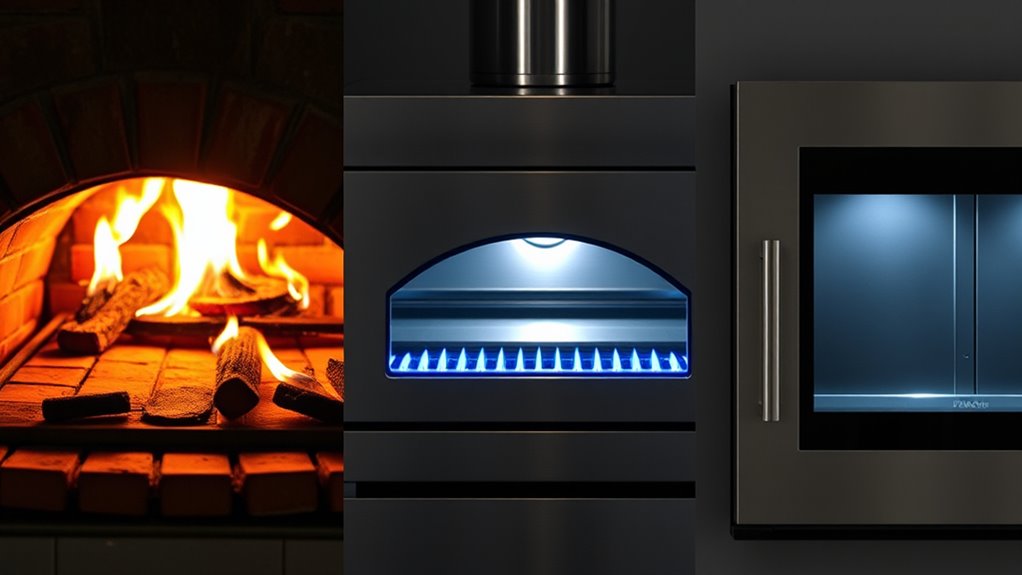

When comparing the ongoing costs of running a pizza oven, gas ovens usually cost less to operate thanks to their efficiency and quick temperature control, while wood-fired models might have higher fuel expenses but offer authentic flavor benefits. Electric ovens tend to be the most energy-efficient, with costs depending heavily on local electricity rates. To understand which option balances your budget and style best, consider the long-term expenses and advantages of each—more details follow if you keep going.
Play games included with Prime
Start a Prime free trial and play with Amazon Luna on your devices.
As an affiliate, we earn on qualifying purchases.
Key Takeaways
- Gas ovens typically have lower ongoing fuel costs and energy-efficient operation, reducing long-term expenses.
- Wood-fired ovens require continuous wood supply, making fuel costs variable and often higher depending on region.
- Electric ovens have minimal maintenance costs but can incur higher electricity bills during frequent use.
- Initial setup costs are highest for wood ovens, moderate for gas, and lowest for electric models.
- Overall operational costs depend on fuel prices, energy efficiency, and maintenance frequency over time.
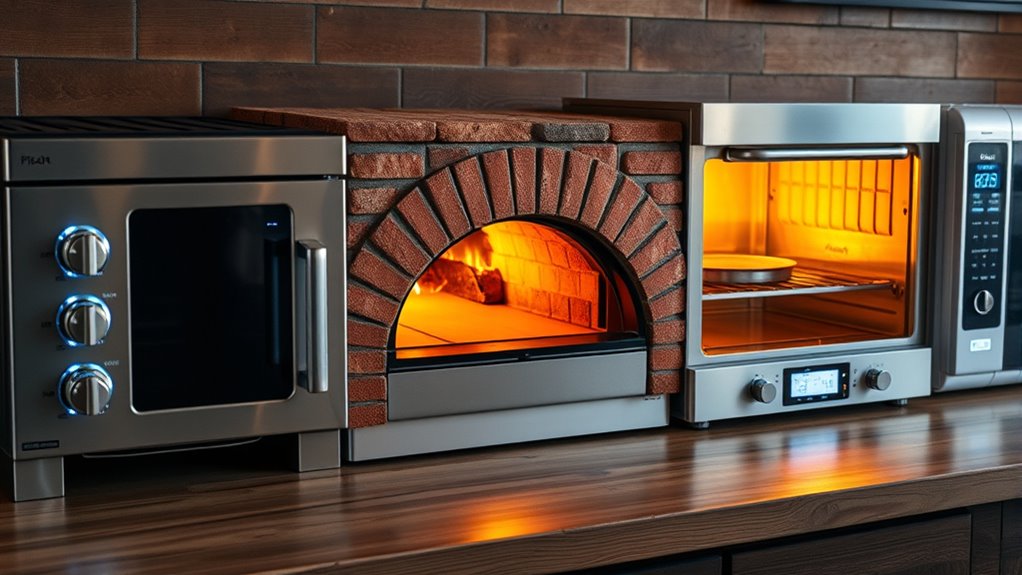
Ever wondered how much it costs to keep a pizza oven running? If you’re considering investing in one, it’s essential to understand the ongoing expenses involved. The cost isn’t just about the initial purchase; it also includes factors like pizza oven maintenance and energy efficiency, which can considerably influence your total expenditure over time. Each type of oven—gas, wood, or electric—comes with its own set of costs and considerations, and understanding these can help you make a smarter decision for your business or home setup.
Understanding ongoing costs like maintenance and energy efficiency helps you choose the right pizza oven for your budget.
When it comes to gas ovens, they’re often praised for their energy efficiency. They heat up quickly and maintain a consistent temperature, which means less energy is wasted. This efficiency translates into lower operational costs compared to some other options. Plus, gas ovens are generally easier to maintain, requiring less frequent cleaning and upkeep, which helps keep pizza oven maintenance manageable and affordable. However, you’ll need to factor in the cost of gas bills, which can fluctuate depending on local prices and usage levels. The initial investment might be higher, but the faster heat-up times and energy efficiency can save you money in the long run.
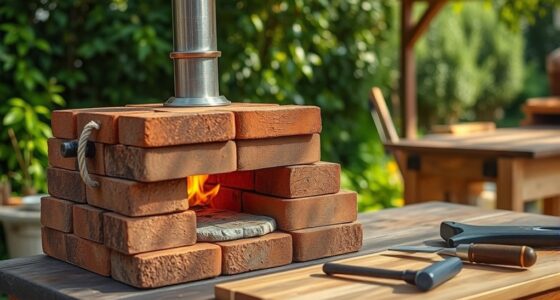
Wood-fired pizza ovens, on the other hand, offer a different set of advantages and costs. They tend to have higher upfront expenses due to their construction and installation requirements. Maintaining a wood oven involves regular cleaning of ash and soot, as well as ensuring the firebox stays in good condition. While wood can be a cost-effective fuel source in some areas, the ongoing expenses for firewood can add up, especially if you’re running the oven frequently. Plus, wood-fired ovens are less energy efficient than gas or electric ones, as they require a constant supply of wood and more active maintenance to keep the fire burning steadily. On the upside, many enthusiasts value the flavor and traditional appeal that wood-fired ovens bring, which can justify the extra costs for passionate bakers or restaurateurs.
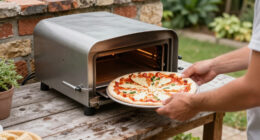
Electric ovens tend to have the lowest initial setup costs and are highly energy efficient, especially in areas where electricity rates are reasonable. They’re simple to operate and require minimal pizza oven maintenance, making them a popular choice for small businesses and home cooks. The downside is that electricity bills can add up quickly if you’re running the oven frequently, especially during peak hours. While electric ovens are convenient and easy to clean, their energy efficiency depends largely on your local electricity rates and how well the oven is insulated. Over time, this can affect your overall costs, so it’s worth considering how often you’ll be using the oven and what your local energy prices are.
In the end, understanding the balance between initial costs, ongoing expenses, and maintenance needs will help you determine which pizza oven best fits your budget and culinary ambitions. Each type offers its own advantages, but factoring in energy efficiency and pizza oven maintenance costs will give you a clearer picture of the true expense involved in running a pizza oven.
As an affiliate, we earn on qualifying purchases.
Frequently Asked Questions
Which Oven Type Offers the Fastest Cooking Times?
You’ll find that wood-fired ovens offer the fastest cooking times, giving you that perfect, smoky flavor in minutes. Their high heat also enhances pizza flavor, creating a crispy crust quickly. Plus, the stunning oven aesthetics make them a centerpiece in any pizzeria. Gas and electric ovens tend to be slower but provide more consistent temperatures. If speed and flavor are your goals, a wood-fired oven is your best bet.
How Does Energy Efficiency Vary Between Gas, Wood, and Electric Ovens?
Energy efficiency varies vastly between gas, wood, and electric ovens. Gas ovens generally offer greater fuel consumption control and quicker heat transfer, thanks to their superior insulation efficiency. Electric ovens tend to be less efficient, with more heat loss due to poorer insulation. Wood ovens, while charming, often consume more fuel for comparable results. So, if you want to maximize energy efficiency, go for a well-insulated gas oven that balances fuel use and heat retention.
Are There Significant Maintenance Costs for Each Oven Type?
You’ll find that maintenance costs vary depending on your oven type. Gas ovens generally have moderate repair costs but require regular inspections for leaks and burner issues, impacting durability. Wood ovens are durable but need frequent cleaning and chimney upkeep, increasing maintenance expenses. Electric ovens tend to have lower repair costs overall, with fewer moving parts, but their durability depends on quality. Regular upkeep guarantees your oven stays efficient and extends its lifespan.
Which Oven Type Is Most Environmentally Friendly?
You’ll find that electric ovens are the most environmentally friendly, acting like a gentle breeze in a garden of sustainability benefits. They often use renewable energy sources, reducing your carbon footprint. Wood-fired ovens come next, with their use of natural, renewable materials, but they emit more pollutants. Gas ovens fall behind, offering moderate sustainability benefits, yet they still contribute to greenhouse gases. Choosing electric supports cleaner energy and a greener planet.
How Does Initial Investment Compare Across Oven Types?
You’ll find that initial investment varies across oven types due to different cost comparisons and installation requirements. Gas ovens usually have a moderate upfront cost but need proper ventilation and gas hookups, increasing installation expenses. Electric ovens tend to be less costly initially and are easier to install, while wood-fired ovens often require a higher investment because of specialized construction and chimney setup. Consider these factors to choose the best fit for your budget and space.
As an affiliate, we earn on qualifying purchases.
Conclusion
So, now that you know the true price tags behind gas, wood, and electric ovens, it’s clear you’re the boss—at least until your wallet screams for mercy. Whether you choose the smoky charm or the sleek efficiency, just remember: every slice you bake comes with a silent cost. So go ahead, indulge in that perfect pie, but don’t act surprised when your bank account feels a little less ‘crispy’ at the end.
As an affiliate, we earn on qualifying purchases.
As an affiliate, we earn on qualifying purchases.
NFL season / tailgating Picks
team gear
As an affiliate, we earn on qualifying purchases.