
TL;DR

Get kitchen gear delivered free — and shop member deals
- Fast, free delivery on millions of items
- Access to Prime Big Deal Days deals on October 6–7
- Prime Video, Amazon Music and more included
Experts clarify that the Japanese phrase ‘Itadakimasu’ is traditionally used to show gratitude to the food itself, not the chef. This distinction is gaining attention in cultural discussions and language education.
Why Clarifying ‘Itadakimasu’ Matters for Cultural Respect
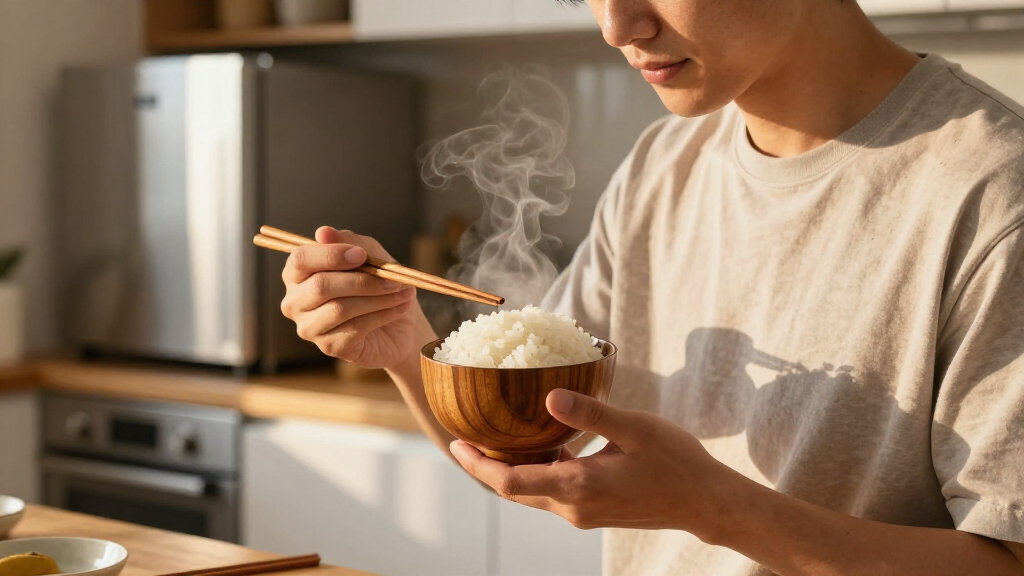
Understanding that ‘Itadakimasu’ is directed toward the food rather than the chef emphasizes respect for the ingredients and the process of food preparation. It also corrects a common linguistic misconception, fostering more accurate cultural appreciation. This clarification impacts language education, intercultural communication, and how Japanese customs are portrayed internationally, promoting greater cultural sensitivity.Japanese phrase Itadakimasu gratitude utensils
As an affiliate, we earn on qualifying purchases.
As an affiliate, we earn on qualifying purchases.
Historical and Cultural Roots of ‘Itadakimasu’ in Japan
The phrase ‘Itadakimasu’ has been part of Japanese etiquette for centuries, originating from Buddhist influences emphasizing gratitude and humility. Traditionally, it is said before meals to acknowledge the effort involved in preparing food and to show respect for the ingredients. Despite its long history, popular usage among non-Japanese audiences often conflates it with expressions directed at the chef, a misunderstanding that recent scholarly work aims to correct. The debate has gained momentum with social media discussions and academic articles highlighting the importance of linguistic accuracy.“‘Many people think ‘Itadakimasu’ is a greeting to the chef, but historically, it’s about respecting the ingredients and the process of cooking.”
— Cultural historian Ms. Emi Sato
Japanese cultural appreciation dinnerware
As an affiliate, we earn on qualifying purchases.
As an affiliate, we earn on qualifying purchases.
Remaining Questions About Cultural Interpretation and Modern Usage
While scholars agree on the traditional meaning, it is still unclear how widespread the misconception remains among non-Japanese speakers. Additionally, some media and popular culture continue to portray ‘Itadakimasu’ as a greeting to the chef, indicating a gap between academic clarification and public perception. The extent to which this clarification will influence language education and everyday usage is also uncertain.As an affiliate, we earn on qualifying purchases.
Efforts to Promote Accurate Usage in Education and Media
Language educators, cultural organizations, and media outlets are expected to increase efforts to clarify the proper usage of ‘Itadakimasu.’ Future initiatives may include educational campaigns, updated teaching materials, and media guidelines to promote understanding of its traditional meaning. Monitoring these developments will indicate whether the clarification gains broader acceptance among the public and in international contexts.As an affiliate, we earn on qualifying purchases.
Key Questions
Is ‘Itadakimasu’ ever used to thank the chef?
Traditionally, no. It is used to express gratitude to the food itself. However, some people may mistakenly use it to thank the chef, but this is not the traditional or correct usage.Why do many non-Japanese speakers think ‘Itadakimasu’ is for the chef?
This misconception likely arises from direct translations or cultural misunderstandings, where the phrase’s humble tone is interpreted as a greeting to the person preparing the food, rather than an expression of gratitude toward the ingredients.Will this clarification change how people say ‘Itadakimasu’?
It remains to be seen. While scholars and cultural experts advocate for correct usage, widespread change depends on education, media representation, and public awareness campaigns.Are there other Japanese phrases with similar misconceptions?
Yes, some expressions related to politeness and gratitude are often misunderstood outside Japan, highlighting the importance of cultural and linguistic education.Source: hn
Fall Picks
fall essentials
As an affiliate, we earn on qualifying purchases.