To use a smoker for the first time, start by choosing the right type—electric, charcoal, or pellet—that fits your needs and budget. Gather essential tools like thermometers, tongs, and brushes, and select wood or pellets that complement your meat. Prep your meat with rubs or marinade, then set up and light the smoker, maintaining steady temperature with vents and thermometers. Monitor the process closely, knowing when your meat is done, then rest and clean your smoker afterward. Keep exploring on each step to master your skills.
Key Takeaways
- Choose a beginner-friendly smoker (electric or pellet) with easy controls and set it up in a clean, sheltered area.
- Select appropriate wood or pellets based on your meat type and flavor preference.
- Prepare your meat with dry rubs or marinades, then bring it to room temperature before smoking.
- Light the smoker, adjust vents for steady temperature, and monitor internal heat with a reliable thermometer.
- Maintain consistent temperature, add wood as needed, and check internal meat temperature for perfect doneness.
Selecting the Right Smoker for Beginners

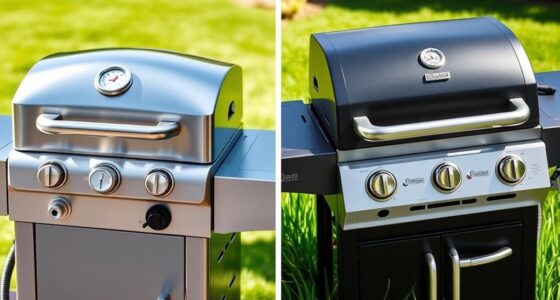
Choosing the right smoker as a beginner can seem overwhelming, but focusing on your needs and budget makes it easier. Start by exploring different smoker styles, such as electric, charcoal, and pellet smokers. Electric models are often the most beginner-friendly, offering consistent heat and simple controls. Charcoal smokers provide traditional flavor but require more effort to maintain temperature. Pellet smokers combine ease of use with great flavor, making them popular among newcomers. Look for beginner-friendly features like digital displays, adjustable vents, and easy-to-clean designs. Prioritize options that match your cooking style and how much effort you’re willing to put into maintenance. Picking a smoker that aligns with your experience level and preferences ensures a smoother start and more enjoyable smoking adventures.
Gathering Essential Equipment and Accessories

To get started, you’ll need essential smoker tools like tongs, thermometers, and brushes to monitor and handle your food. Choosing the right fuel and wood options is key to achieving the flavor you want, whether it’s charcoal, pellets, or wood chunks. Don’t forget necessary accessories like drip pans, gloves, and smoke boxes to make the process safer and more efficient.
Essential Smoker Tools
Having the right tools is essential for mastering the art of smoking, and gathering the necessary equipment guarantees a smooth and enjoyable experience. Essential smoker tools include a good thermometer to monitor temperature accurately, ensuring consistent smoker maintenance and ideal cooking conditions. Tongs and a basting brush help handle food safely and enhance flavor infusion during the process. A clean wire brush or scraper keeps grates free of residue, supporting proper smoker maintenance. A spray bottle can help regulate temperature and keep meat moist. Additionally, having high-quality gloves protects your hands during handling. These tools make it easier to control the smoking process, maintain cleanliness, and infuse flavors effectively, setting the foundation for successful smoking sessions. Proper equipment ensures you enjoy every step and achieve flavorful, tender results.
Fuel and Wood Options
Selecting the right fuel and wood options is essential to achieving the perfect smoky flavor and maintaining consistent heat throughout your smoking session. You’ll need to choose between charcoal and propane, each offering different benefits. Charcoal provides a natural, smoky taste and steady heat, but requires more effort to light and control. Propane offers quick ignition, ease of use, and consistent temperature control, making it ideal for beginners. Additionally, wood chip options are vital for flavor. Popular choices like hickory, mesquite, or fruitwoods can be soaked or used dry, depending on your preference. Experimenting with different wood types allows you to customize your smoke flavor. Select your fuel and wood based on your smoker type, desired flavor, and convenience to set yourself up for a successful first smoke.
Necessary Accessories
Before you start smoking, gather all the essential equipment and accessories to guarantee a smooth process. You’ll need basic tools like tongs, a meat thermometer, and heat-resistant gloves to handle the food safely. A water pan helps regulate humidity and keeps your meat moist, so include that as well. To improve your grilling techniques, consider a spray bottle for moisture and a brush for applying marinade recipes during cooking. Having a good quality smoker cover protects your equipment from the elements. Additionally, a clean spray bottle with water can help manage flare-ups. These accessories make it easier to control temperature, enhance flavor, and ensure safety. Being prepared with the right tools allows you to focus on perfecting your smoking skills and experimenting with different marinade recipes.
Choosing the Best Wood or Pellets for Smoking

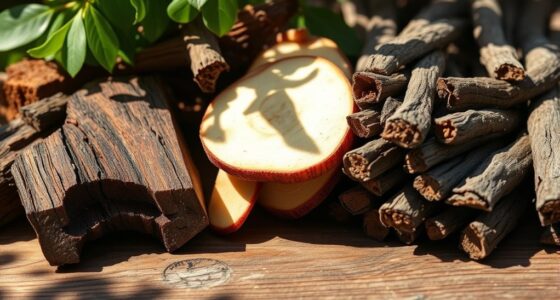
Wondering how to choose the best wood or pellets for smoking? Selecting the right wood types or pellet varieties impacts flavor and results. For wood, fruitwoods like apple and cherry add sweetness, while hickory offers a bold, smoky flavor. Hardwoods like oak provide versatility, and mesquite delivers a strong, earthy taste. Pellets come in a variety of flavors such as apple, cherry, mesquite, and hickory, each imparting unique profiles. Use the table below to compare options:
| Wood Types | Flavor Profile | Best For |
|---|---|---|
| Fruitwoods | Sweet, mild | Poultry, pork, fish |
| Hardwoods | Balanced, versatile | Beef, ribs, vegetables |
| Mesquite | Intense, earthy | Red meats, grilling |
| Pellets (Apple) | Sweet, subtle | Poultry, seafood |
| Pellets (Hickory) | Strong, smoky | Pork, brisket |
Choose based on your meat and desired flavor intensity.
Preparing Your Meat for Smoking

Properly preparing your meat sets the foundation for flavorful smoking. Start with meat marination to enhance flavor or tenderize tougher cuts. A good marinade not only infuses taste but also helps retain moisture during the long smoking process. If you’re short on time, a dry rub with spices and herbs can also boost flavor infusion. Before smoking, pat the meat dry to ensure proper smoke adhesion and a nice bark. Remove excess moisture that could cause steaming instead of smoking. Additionally, consider bringing the meat to room temperature for even cooking. Proper preparation guarantees your meat absorbs smoky flavors fully while staying juicy and tender, giving you the best possible results for your first smoking experience.
Setting Up and Lighting Your Smoker

Before you start, make sure your work area is clean and safe. Load the fuel properly to guarantee steady heat, then light the smoker, adjusting the flames until you reach the desired temperature. Proper setup and lighting are key to getting consistent, delicious results.
Prepare Your Work Area
Setting up your work area is essential for safe and efficient smoking. Begin by cleaning the work area thoroughly to prevent contamination and ensure safety. Organize your tools—tongs, thermometers, brushes—so they’re easily accessible. A tidy space helps you work smoothly and minimizes accidents. Use the following table for ideas:
| Action | Purpose |
|---|---|
| Clean the workspace | Prevent hazards and messes |
| Organize tools | Save time and reduce stress |
| Clear debris | Maintain safety and cleanliness |
| Prepare surfaces | Create a safe, functional zone |
Keeping your work area clean and organized makes the entire process more enjoyable and efficient, especially as a beginner.
Load the Fuel Properly
Once your work area is organized and clean, you can focus on loading the fuel into your smoker. Proper fuel management is essential for consistent heat and smoke. Start by selecting the right type of fuel, such as charcoal or wood chunks, and verify they’re dry. Carefully place the fuel in the designated chamber, avoiding overfilling to prevent blockages. Always follow safety precautions, like wearing gloves and working in a well-ventilated space, to prevent accidents. Keep flammable materials away from the fuel load, and double-check that the smoker is turned off and cool before loading. Properly loaded fuel ensures steady heat, smoke production, and safer operation, helping you achieve delicious results.
Light and Adjust Flames
To start your smoker, you need to light the fuel properly to guarantee consistent heat and smoke. Use a reliable method, like a chimney starter or starter cubes, to ignite your charcoal or wood. Always prioritize fire safety—keep a fire extinguisher nearby and avoid loose clothing. Once the fuel is lit, adjust the vents to control airflow, which regulates the flames and temperature. Proper flame management ensures even cooking and prevents flare-ups. Regular smoker maintenance, like cleaning ash and checking for blockages, helps maintain steady flames. Keep an eye on the flames and temperature throughout your session. Properly lighting and adjusting flames not only enhances flavor but also keeps your smoking experience safe and efficient.
Controlling and Maintaining the Temperature

Maintaining the right temperature is essential for successful smoking, and you have to stay attentive to keep it steady. Good heat regulation guarantees your meat cooks evenly and develops the desired flavor. To control temperature, adjust the vents to regulate airflow and oxygen supply—more airflow increases heat, less reduces it. Use a reliable thermometer to monitor the internal temperature constantly. Keep in mind that fluctuations are normal, so make small adjustments as needed. Here’s a quick guide:
| Temperature Range | Ideal Use |
|---|---|
| 225°F – 250°F | Low and slow smoking |
| 250°F – 300°F | Faster cooks, still tender |
| 300°F+ | Quick grilling or searing |
Mastering temperature control is key to perfect results.
Monitoring the Smoking Process

Monitoring the smoking process closely guarantees your meat develops the desired flavor and texture. Keep an eye on temperature control throughout the session, ensuring it stays steady and consistent. Fluctuations can affect how the meat absorbs smoke and cooks, so use a reliable thermometer to track both the smoker’s internal temperature and the meat’s temperature. Additionally, pay attention to smoke density; too much can make the meat bitter, while too little can prevent proper flavor infusion. Adjust vents or add more wood chips as needed to maintain a balanced smoke. Regular monitoring helps you catch issues early and keep the process on track, resulting in perfectly smoked meat with rich flavor and tender texture.
Knowing When Your Meat Is Perfectly Done

Knowing when your meat is perfectly done is essential to achieving the ideal texture and flavor. The most reliable method is checking the internal temperature with a meat thermometer. Different meats require specific temperatures—for example, chicken should reach 165°F, while brisket is best at around 195°F to 205°F. Visual cues also help; look for clear juices, a firm texture, and a change in color. For ribs, the meat should pull away from the bones easily, and pulled pork should shred effortlessly. Keep in mind that resting the meat allows juices to redistribute, but don’t rely solely on appearance—use a thermometer to safeguard safety and perfection. Combining internal temperature checks with visual cues guarantees your smoked meat hits the mark every time.
Properly Resting and Serving Your Smoked Foods

Once your smoked meat reaches the right temperature, it’s essential to let it rest before serving. Resting techniques help redistribute juices, ensuring each bite stays moist and flavorful. Wrap the meat loosely in foil or place it on a cutting board, tented with foil, for 10 to 20 minutes, depending on the size. This process prevents the juices from escaping when you cut into it. For serving suggestions, slice against the grain for tenderness or pull apart for shredded dishes. Resting not only enhances texture but also makes presentation easier. Remember, patience pays off—skipping this step can lead to dry, less enjoyable smoked foods. Proper resting transforms your smoked meat into a tender, juicy masterpiece ready to impress.
Cleaning and Caring for Your Smoker After Use

After you finish smoking, it’s important to clean your smoker promptly to maintain its performance and longevity. Proper cleaning prevents old residue from affecting future seasoning and flavoring, ensuring each cook tastes fresh. To care for your smoker, start by removing ash and wiping down grates. Then, clean the interior surfaces to prevent buildup. When storing, keep your smoker in a dry, covered area to protect it from the elements. Regular maintenance also involves inspecting seals and vents, replacing damaged parts as needed. For ideal seasoning and flavoring retention, avoid using harsh chemicals during cleaning. Proper storage and maintenance extend your smoker’s life, ensuring consistent results and delicious smoked foods every time.
Frequently Asked Questions
How Long Should I Preheat My Smoker Before Cooking?
You should preheat your smoker for about 15 to 30 minutes before cooking. Set the smoker to your desired temperature, typically around 225°F to 250°F, and let it run to attain that smoker temperature. Preheating guarantees the internal temperature stabilizes, which helps cook your food evenly. Keep an eye on the temperature gauge, and once it hits your target, you’re ready to start smoking your meat or other dishes.
Can I Use My Smoker Indoors Safely?
Thinking about using your smoker indoors? Think again! Indoor ventilation won’t save you from smoke detectors, which will certainly sound the alarm, turning your culinary adventure into a firefighter’s nightmare. Smoker fumes are best kept outside where smoke can escape freely. So, save yourself the hassle, and always use your smoker outdoors. Your lungs and neighbors will thank you, and your smoke detectors won’t be the stars of the show.
What Are Common Troubleshooting Issues for Beginners?
When troubleshooting your smoker, you might struggle with maintaining consistent temperature control or fuel management. If the smoker’s temperature fluctuates, check your fuel supply and airflow; adding more fuel or adjusting vents can help. Make certain the fuel burns efficiently and the vents are open enough for proper temperature regulation. Regularly monitor your smoker and make small adjustments to keep the heat steady, ensuring perfect, consistent results every time.
How Do I Prevent My Meat From Drying Out?
To prevent your meat from drying out, focus on maintaining meat moisture by using proper basting techniques. Regularly baste your meat with a flavorful liquid, like marinade or juice, to keep it moist throughout the smoking process. Additionally, wrap the meat in foil during the final hours or when it reaches the desired temperature. This traps moisture and ensures tender, juicy results every time.
Is It Necessary to Use a Water Pan in My Smoker?
You don’t always need a water pan, but it helps keep your smoker’s temperature stable and maintains moisture in your meat. Picture the gentle steam rising, nourishing your ribs and brisket. Proper smoker maintenance, like regularly filling the water pan and choosing the right wood chips, guarantees even heat and rich smoky flavor. If you want tender, juicy results, using a water pan is a smart choice, especially for longer cooks.
Conclusion
Now that you have the essentials in hand, you’re all set to begin on your smoking adventure. Remember, patience and practice will turn you into a master in no time. Trust your senses and enjoy the process—each smoky aroma brings you closer to delicious results. Don’t worry if everything isn’t perfect at first; every pitmaster has their own journey. Embrace the experience, and soon, your smoked creations will speak volumes of your newfound skill.