
TL;DR

Get kitchen gear delivered free — and shop member deals
- Fast, free delivery on millions of items
- Access to Prime Big Deal Days deals on October 6–7
- Prime Video, Amazon Music and more included
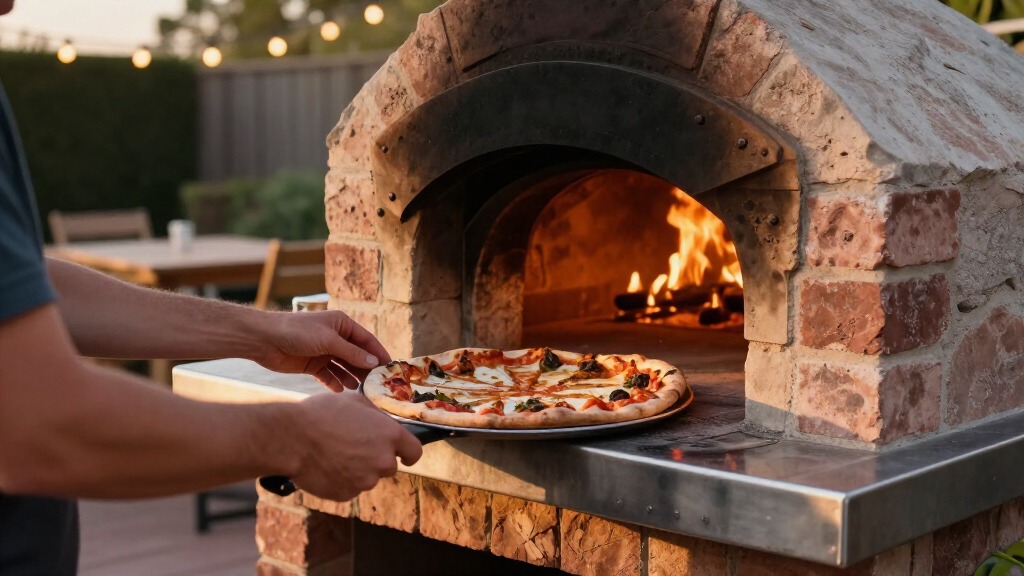
Outdoor pizza ovens come in various styles—wood, gas, or hybrid—and sizes. The right choice hinges on your space, budget, and how you want to cook. Preheating and safety are key for great results.
Imagine the rich aroma of freshly baked pizza wafting through your backyard, the crackle of a wood fire, and the satisfying crunch of a perfectly blistered crust. Outdoor pizza ovens have become the centerpiece of backyard gatherings, turning ordinary weekends into culinary adventures.
If you’re dreaming of hosting pizza nights or just want to elevate your outdoor space, choosing the right oven is crucial. It’s not just about style; it’s about performance, safety, and how well it fits your lifestyle. In this guide, you’ll learn what makes a great outdoor pizza oven, the differences between fuel types, installation tips, and how to get the most out of your investment.
Which Fuel Type Suits Your Outdoor Kitchen Best?
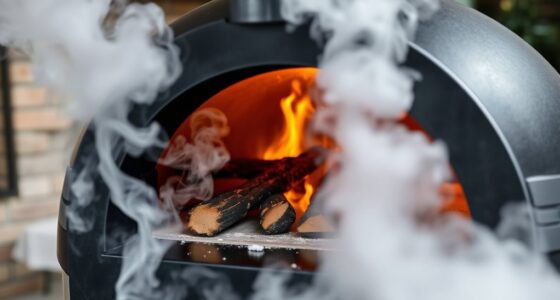
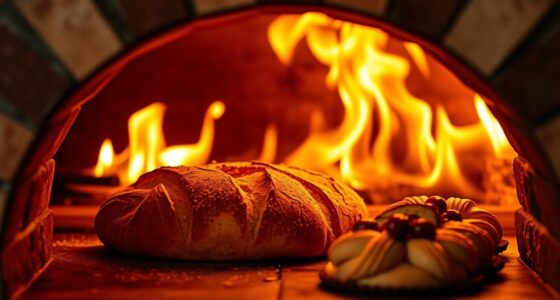
Fuel choice is the foundation of your pizza oven decision. Wood-fired ovens offer that unmistakable smoky flavor and a traditional vibe. Think of the crackling fire, the scent of burning oak—each pizza carries that rustic, rich aroma. But they require more attention: stacking wood, managing ash, and cleaning the chimney. This additional effort can be seen as part of the cooking ritual, but it also means more time spent on maintenance and potential for inconsistent results if not managed properly. On the other hand, the smoky flavor they impart is often considered the gold standard for authentic pizza, making the extra effort worthwhile for purists.
Gas ovens are quick, clean, and easy to control. You can start a batch of pizzas faster and keep the temperature steady with a turn of a dial. This consistency is crucial when you’re preparing multiple pizzas or hosting a gathering where timing matters. Gas models also require less cleanup and are more convenient for those with busy lifestyles. However, some argue that they lack the depth of flavor that wood provides, which might be a tradeoff for convenience. Hybrid or dual-fuel ovens combine both options, giving you flexibility—perfect if you want the best of both worlds, but expect to pay a premium. This versatility allows you to switch between smoky flavor and quick, consistent heat depending on your mood or the occasion.
For example, a family with little time might prefer a gas model for its speed and cleanliness, while a backyard chef who loves the ritual of fire might lean toward wood. It’s about matching your cooking style and how much effort you want to put into fuel management. Understanding these tradeoffs helps you choose an oven that aligns with your culinary goals and lifestyle, ensuring satisfaction and consistent results.
As an affiliate, we earn on qualifying purchases.
How Big Should Your Outdoor Pizza Oven Be?
Size matters when it comes to your outdoor pizza oven because it directly influences your cooking capacity, versatility, and how well the oven integrates into your outdoor space. A small, countertop model might suit someone who hosts occasional gatherings or has limited space. These compact ovens are lightweight, portable, and heat up quickly, making them ideal for spontaneous pizza nights or small families. However, their limited size can restrict the size and number of pizzas you can cook at once, potentially slowing down your pizza-making process during larger gatherings.
In contrast, larger ovens with wider cooking surfaces provide more flexibility. For instance, a 24-inch oven can comfortably fit a 12-inch pizza, but a 30-inch oven can handle two pizzas simultaneously or even accommodate a small roast or bread baking, adding to its versatility. When considering size, think about your typical entertaining needs and available space. Larger ovens often require more substantial foundations, dedicated outdoor areas, and may be more permanent fixtures, which could influence your landscaping or patio design.
Imagine hosting a summer party: a 36-inch oven can fit multiple pizzas, allowing you to serve guests quickly and efficiently, while a 48-inch or larger model may become a permanent feature that elevates your backyard’s aesthetic and functionality. The key is balancing your current needs with future possibilities, ensuring your oven is neither too cramped nor unnecessarily large, which could lead to wasted space or increased costs. Proper planning around size ensures your outdoor kitchen remains functional, safe, and enjoyable for years to come.
As an affiliate, we earn on qualifying purchases.
What Are the Key Features to Look for in a Pizza Oven?
| Feature | Why It Matters |
|---|---|
| Insulation | High-quality insulation is crucial because it retains heat more efficiently, leading to faster preheating, higher achievable temperatures, and reduced fuel consumption. Better insulation also ensures that heat is evenly distributed, which is essential for consistent cooking results. Without proper insulation, your oven might struggle to reach desired temperatures or lose heat quickly, forcing longer preheat times and inconsistent crusts. This tradeoff impacts both your cooking quality and operational costs over time. |
| Cooking Surface | The material and design of the cooking surface significantly influence the final pizza quality. Stone or ceramic floors absorb and radiate heat evenly, helping to crisp the crust and develop authentic textures. Refractory materials are resistant to thermal shock, prolonging the lifespan of the oven and maintaining consistent heat. Choosing the right surface can mean the difference between a perfectly blistered crust and a soggy or uneven bake, affecting your overall satisfaction and the oven’s durability. |
| Temperature Range | Reaching temperatures above 900°F is essential for authentic Neapolitan-style pizzas with blistered, airy crusts. Lower temperatures are suitable for thicker, slower-baked styles like pan or deep-dish pizzas. Understanding your preferred pizza style helps you select an oven with the appropriate temperature capabilities, which directly impacts your cooking results. High-temperature ovens also allow for quicker cooking times, enabling you to produce multiple pizzas in succession, but they require precise control and good insulation to prevent overheating or damage. |
| Ease of Use | Features such as intuitive controls, clear thermometers, and accessible windows simplify the cooking process. Some models include built-in timers or digital gauges, which help maintain consistent results and prevent overcooking. Ease of use is especially important for beginners or those who want to focus on enjoying the cooking rather than managing complex settings. The more user-friendly the oven, the more consistently you can produce high-quality pizzas with less stress and guesswork. |
| Design & Materials | The exterior materials—steel, brick, ceramic—impact durability, weather resistance, and aesthetic appeal. Built-in ovens with weatherproof finishes withstand outdoor elements better, reducing maintenance and prolonging lifespan. The design should complement your outdoor space, blending functionality with style. Investing in durable, weather-resistant materials ensures your oven remains a focal point for years, while also resisting corrosion and damage from exposure to sun, rain, or snow. A well-designed oven enhances your outdoor kitchen’s overall look and usability, making it a valuable long-term addition. |
As an affiliate, we earn on qualifying purchases.
As an affiliate, we earn on qualifying purchases.
Fall Picks
fall essentials
As an affiliate, we earn on qualifying purchases.