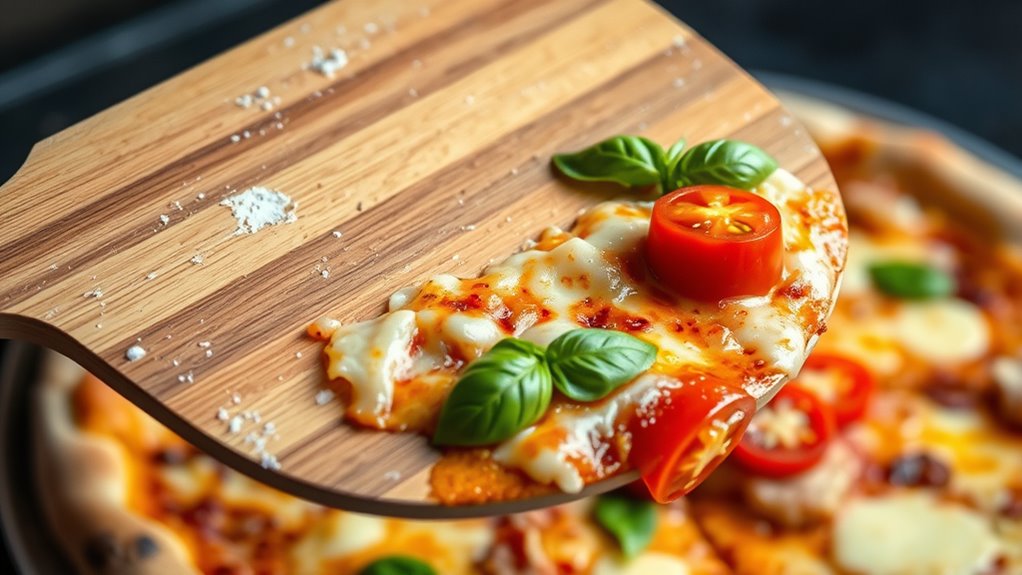

To prevent dough from sticking and toppings from sliding on your pizza peel, make sure your dough is well-kneaded and not overly wet, as excess moisture causes sticking. Dust your peel generously with flour, cornmeal, or semolina before placing the dough, and keep toppings light and well-drained to avoid shiftiness. Use a quick, confident slide with a dry peel, and develop a consistent technique. Continuing to optimize these steps will help you master a smooth transfer every time.

Get kitchen gear delivered free — and shop member deals
- Fast, free delivery on millions of items
- Access to Prime Big Deal Days deals on October 6–7
- Prime Video, Amazon Music and more included
Key Takeaways
- Ensure dough is well-kneaded, smooth, and not overly sticky by adjusting hydration levels.
- Generously dust the peel with flour, cornmeal, or semolina to prevent sticking and facilitate sliding.
- Distribute toppings evenly, avoid heavy or wet ingredients, and drain excess moisture to prevent toppings from sliding.
- Use a quick, confident slide motion and add extra dry ingredients underneath if resistance occurs.
- Check for resistance before transferring, loosen stuck pizza gently, and practice consistent technique for better results.
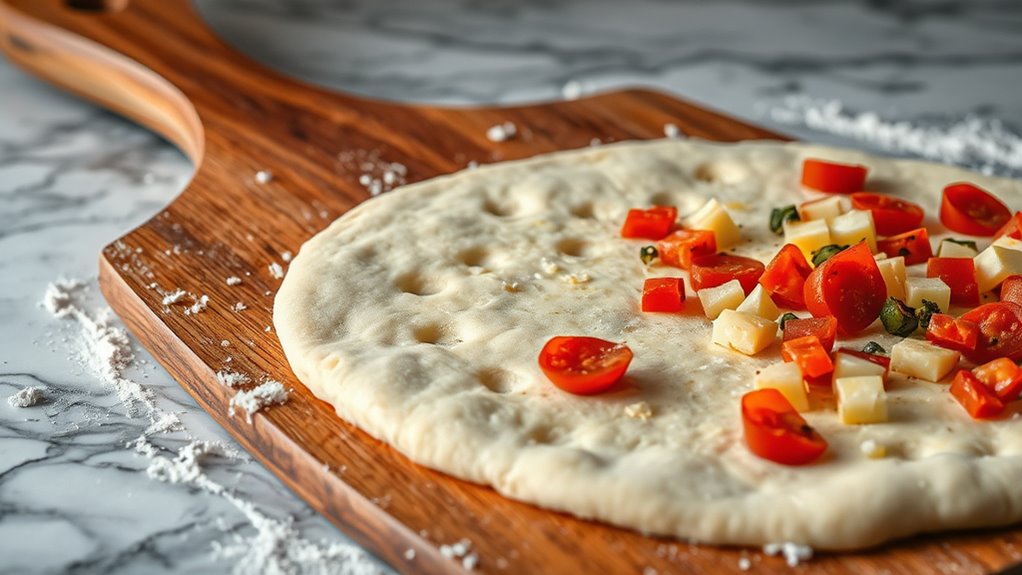
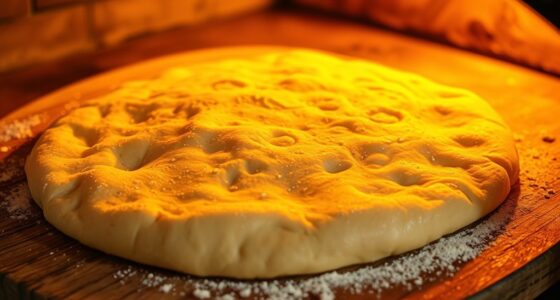
A pizza peel is an essential tool for transferring your pizza to and from the oven, but it can sometimes cause frustration if it doesn’t work as expected. One common issue is dough sticking to the peel, which can ruin the look and ease of your baking process. To address this, start by paying attention to your dough consistency. If your dough is too sticky or wet, it’s more likely to cling when you try to slide it onto the peel. You want your dough to be well-kneaded and smooth but not overly sticky. If it’s sticking, dust your peel generously with flour, cornmeal, or semolina before placing the dough on it. These dry ingredients create a barrier that helps prevent sticking and makes sliding the pizza into the oven smoother. Also, ensure you’re not adding too much moisture to your dough during mixing, as excess water can increase stickiness. Adjust your recipe if necessary, reducing hydration levels slightly to improve handling.
Another key factor is proper topping placement. If toppings are unevenly distributed or piled too high, they can cause the pizza to become unstable or slide off the peel when you attempt to transfer it. Always spread toppings evenly, being careful not to overload the pizza, especially near the edges. Heavy or uneven toppings can increase the risk of sliding or tipping when you try to slide the pizza into the oven. Before moving the pizza, gently lift an edge to check if it’s sticking. If it resists, you might need to loosen it with a gentle shake or a quick nudge of the peel’s edge. Proper topping placement also means avoiding excess sauce or runny ingredients that can make the dough slippery or cause toppings to slide off during transfer. Use a light hand with wet ingredients and ensure toppings are well-drained if necessary.
Additionally, your technique plays a role. When transferring, use a quick, confident motion to slide the peel under the pizza. Hesitating can cause the dough to settle or stick. If you notice resistance, don’t force it; instead, gently lift and adjust, possibly adding a sprinkle of flour or cornmeal underneath. With consistent practice, you’ll develop a feel for the right dough consistency and topping placement that keeps your pizza intact. Remember, the goal is to create a stable, well-supported pizza that transfers smoothly onto the oven’s surface. Fine-tuning these elements will considerably reduce sticking and topping sliding, making your pizza-making process more enjoyable and successful. Proper handling techniques can make a significant difference in achieving perfect results.
As an affiliate, we earn on qualifying purchases.
Frequently Asked Questions
Can I Use a Metal Peel for a Home Oven?
Yes, you can use a metal peel for your home oven. Metal peels are great because they’re sturdy and slide easily under the dough, making it simple to transfer your pizza to the oven. Just make sure to flour or cornmeal the peel to prevent sticking. With a metal peel, you’ll find it easier to handle your homemade pizzas and achieve that perfect crust every time.
How Do I Prevent Sticking With Sticky Dough?
To prevent sticking with sticky dough, adjust your dough hydration by reducing water content slightly, which helps it firm up. Use a flour type with higher protein content, like bread flour, for better structure and less stickiness. Before placing your dough on the peel, generously dust it with flour or cornstarch, and keep your work surface and peel lightly floured to prevent sticking during transfer.
What Is the Best Material for a Pizza Peel?
The best material for a pizza peel is a debate you’ll want to settle once and for all! Wooden peels are legendary for their gentle touch, offering incredible durability and a natural non-stick surface that prevents sticking. Metal peels, on the other hand, are like superheroes—super durable and perfect for sliding pizzas easily. Choose wisely based on your style—wood for tradition and delicate handling, metal for strength and speed!
How Do I Clean and Maintain My Pizza Peel?
To keep your pizza peel in top shape, start with the right peel material choices like wood or metal. Clean it regularly with a damp cloth and mild soap; avoid soaking it to prevent warping or rust. For wooden peels, lightly sand after cleaning to remove stubborn residue. Store in a dry place, and always dry thoroughly to maintain its condition and guarantee smooth, safe pizza transfers every time.
Can I Use a Pizza Peel for Other Baked Goods?
Did you know that 65% of home bakers use versatile tools for multiple tasks? Yes, you can definitely use a pizza peel for other baked goods like bread, calzones, or pastries. It’s a great baking tool for transferring delicate items without damage. If you don’t have a pizza peel, consider alternatives like a large spatula or baking sheet to maintain your baking tool versatility and get perfect results every time.
As an affiliate, we earn on qualifying purchases.
Conclusion
Think of your pizza peel as the bridge between your workspace and deliciousness. When dough sticks or toppings slide, it’s like traffic jams on that bridge — frustrating but fixable. With a few tweaks, like proper flour or gentle handling, you’ll keep your toppings on the road to a perfect pie. Keep experimenting and adjusting, and soon your peel will glide smoothly, turning your pizza journey into a well-oiled machine. Happy baking!
As an affiliate, we earn on qualifying purchases.
As an affiliate, we earn on qualifying purchases.
Fall Picks
fall essentials
As an affiliate, we earn on qualifying purchases.