When the fire dies down, let your pizza oven cool slightly, but don’t wait until it’s completely cold. Use heat-resistant gloves to handle cookware or charred bits, and keep safety equipment nearby. Take advantage of the residual warmth by warming bread, toasting, roasting vegetables, or drying herbs on the oven floor. To maximize efficiency and stay safe, understand your oven’s heat retention and use caution with hot surfaces—there’s more to uncover for smarter, safer use afterward.

Get kitchen gear delivered free — and shop member deals
- Fast, free delivery on millions of items
- Access to Prime Big Deal Days deals on October 6–7
- Prime Video, Amazon Music and more included
Key Takeaways
- Allow the oven to cool slightly but remain warm enough to utilize residual heat safely.
- Use residual warmth to keep cooked pizzas or bread warm without additional fuel.
- Roast vegetables or dry herbs on the oven floor while it cools down.
- Place cookware inside or on the oven to absorb and make use of lingering heat.
- Handle hot surfaces with heat-resistant gloves and ensure safety precautions are in place.
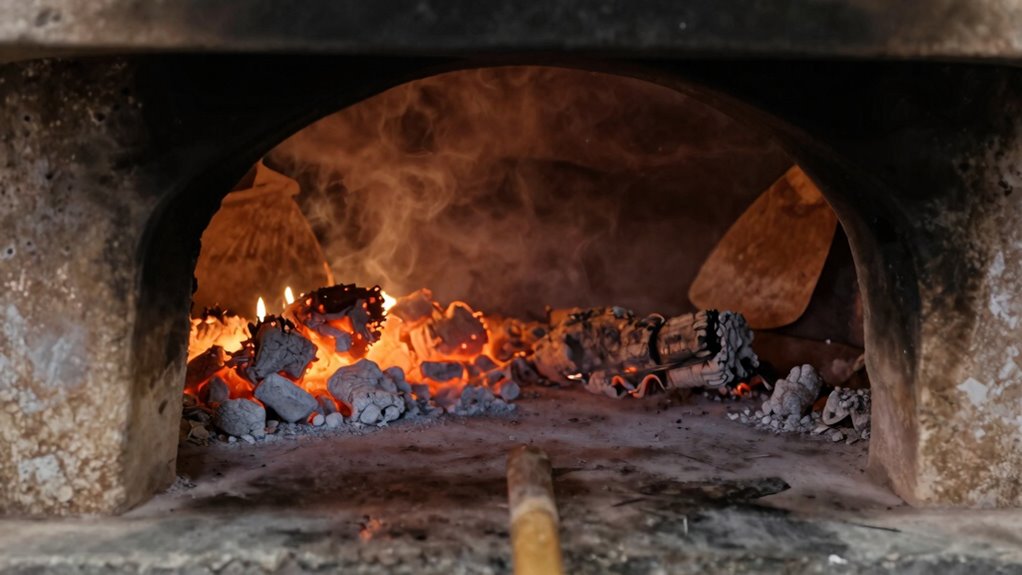
After you finish baking your pizza, don’t rush to turn off the oven — instead, capitalize on the residual heat to make the most of your investment. The lingering warmth inside your pizza oven can be harnessed for various cooking techniques, saving you energy and time. However, it’s essential to keep safety precautions in mind to prevent accidents. Your first step is to allow the oven to cool slightly but not completely. As the temperature drops, the oven remains hot enough for secondary uses, but it’s safer to handle.
Once you’re confident the oven is cool enough to open safely, you can start utilizing the residual heat for tasks like warming bread, roasting vegetables, or even drying herbs. These activities require lower temperatures than your initial pizza bake, making the residual heat an efficient resource. For example, placing a skillet on the oven floor to warm up bread or toast is a simple way to make use of that heat. Just ensure that the oven surface isn’t still extremely hot, which could burn the food or pose safety risks. Additionally, understanding the brewing science behind heat retention can help you better predict how long the residual heat will last for different tasks. Knowing how heat retention works in your oven can improve your efficiency and safety in handling residual warmth. You can also enhance your understanding by considering how insulation affects heat retention, which can influence how long the oven stays warm. Recognizing the thermal mass of your oven materials can further aid in estimating residual heat duration.
When employing residual heat, pay close attention to safety precautions. Always wear heat-resistant gloves to handle hot surfaces or cookware, and keep a fire extinguisher nearby just in case. Be mindful of hot surfaces that can cause burns, and avoid leaning into the oven or reaching into it without proper protection. Additionally, never leave the oven unattended while it’s still warm, especially if you’re using it for drying herbs or warming delicate foods. The residual heat can ignite or cause unintended fires if not supervised properly.
You can also use the residual heat for simple cleaning tasks. For instance, leaving the oven door slightly open allows the remaining warmth to help loosen baked-on food or grease, making it easier to scrub off. Just make sure to wait until the oven has cooled enough to handle safely. This way, you maximize the oven’s energy efficiency without risking injury.
As an affiliate, we earn on qualifying purchases.
Frequently Asked Questions
How Long Does Residual Heat Stay in a Pizza Oven?
Residual heat in a pizza oven typically stays for about 1 to 2 hours, depending on factors like insulation and initial temperature. You can maximize heat retention to improve cooking efficiency by keeping the door closed and avoiding sudden temperature changes. This retained heat allows you to cook multiple pizzas or other dishes without reigniting the fire, making your oven more energy-efficient and versatile during extended cooking sessions.
Can Residual Heat Be Used for Baking Other Foods?
Yes, you can use residual heat for baking other foods. After the fire dies down, you can rely on alternative heating methods, like trapping the heat in the oven, to cook items such as bread or roasted vegetables. Cooking with residual heat is efficient and saves fuel. Make sure to monitor the temperature and adjust your cooking times accordingly, ensuring even cooking without adding extra heat sources.
Is It Safe to Leave the Oven Unattended After the Fire Dies Down?
Did you know that leaving an unattended oven, even after the fire dies down, increases fire safety risks? It’s not safe to leave your pizza oven unattended once the fire’s out. Residual heat can still cause accidents or fires if left unchecked. Always supervise your oven until it cools completely, and never leave it unattended to guarantee safety for you and your surroundings.
How Should I Clean the Oven After Using Residual Heat?
After using residual heat, you should wait until the oven cools down slightly, then clean it with a brush or damp cloth to remove ash and food debris. Focus on oven cleaning by wiping down the interior, paying attention to the oven floor and walls. Manage residual heat carefully to avoid burns, and make certain the oven is completely cool before performing any cleaning. This maintains your oven’s performance and safety.
What Temperature Does the Oven Typically Reach After the Fire Is Out?
Think of your pizza oven as a sleeping giant, still holding onto warmth. After the fire dies down, the oven typically reaches a cooking temperature of around 300-400°F, thanks to its excellent heat retention. This residual heat is perfect for finishing dishes or keeping food warm. You can use this gentle warmth efficiently, but always monitor the temperature to avoid overcooking or burning.
As an affiliate, we earn on qualifying purchases.
Conclusion
Once the fire dies down, don’t just let that residual heat go to waste—think of it as your pizza oven’s secret superpower! With a little clever planning, you can turn that lingering warmth into a culinary goldmine, cooking multiple dishes or keeping food warm for hours. Ignoring this heat is like throwing away a treasure chest full of fiery potential. So, harness it wisely, and watch your cooking game reach legendary status—your oven’s hidden magic at your fingertips!
As an affiliate, we earn on qualifying purchases.
As an affiliate, we earn on qualifying purchases.
Fall Picks
fall essentials
As an affiliate, we earn on qualifying purchases.